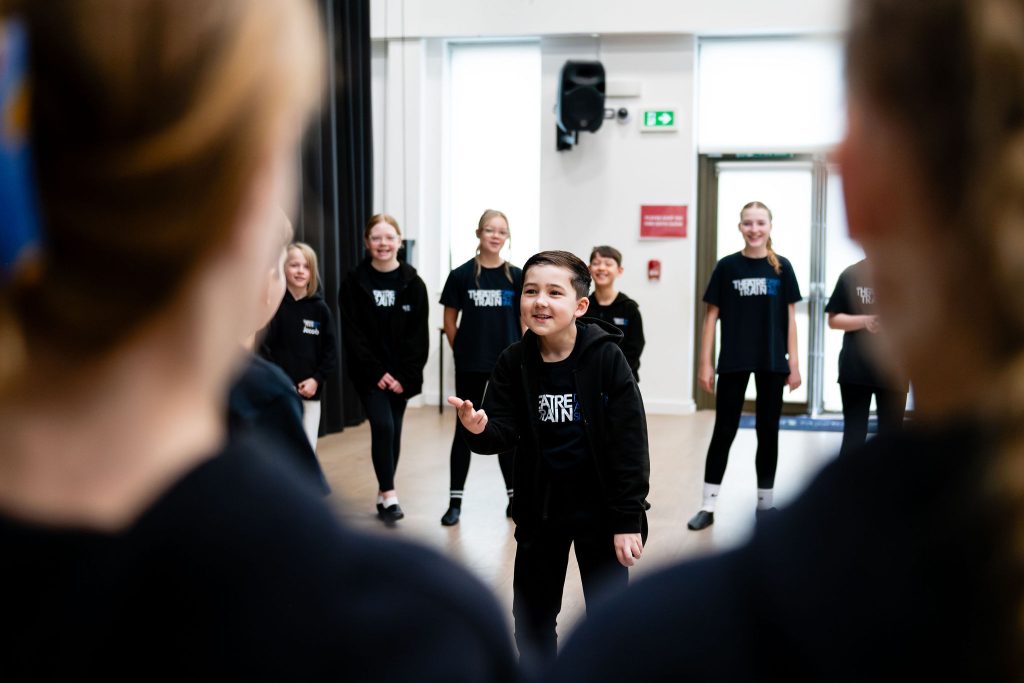
Performing arts are more than an extra-curricular activity
Performing arts classes are often viewed as optional enrichment. However, for many families, weekend training in drama, singing and dance becomes an important part of a child’s personal and academic growth.
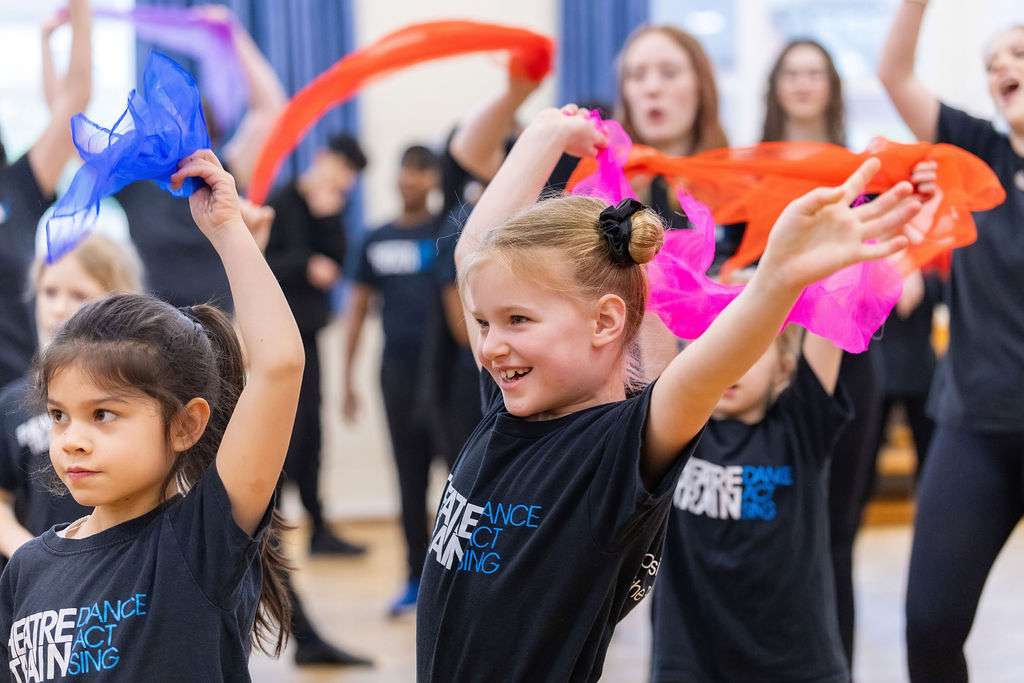
Parents frequently report noticeable improvements in creativity, confidence and social skills within just a few weeks of starting classes. Children who may have been shy or hesitant often begin to participate more openly, both in class and in everyday life.
Teachers also observe how performing arts support cognitive development, memory, focus and emotional intelligence — all of which contribute positively to school performance and wider wellbeing.
Below are eight key benefits of performing arts classes for children.
1. Academic Benefits
Many parents ask whether performing arts can genuinely support academic achievement. Research consistently shows a strong connection between creative arts participation and improved educational outcomes.
Children involved in drama, music and dance often demonstrate stronger reading, writing and maths skills. Creative learning supports literacy development, critical thinking and problem-solving abilities, helping children approach academic challenges with greater confidence.
2. Neurological Development
Performing arts encourage a growth mindset by allowing children to experiment, practise and improve without fear of judgement.
Studies into music and movement suggest that creative activities positively influence brain development. Participation in performing arts has been linked to improved attention span, memory retention, coordination and motor skills — all of which support learning across multiple subjects.
3. Emotional Resilience
The arts provide a safe and constructive outlet for emotional expression.
Through acting, singing and movement, children explore different emotions and perspectives in a supportive environment. This helps them better understand and manage their own feelings.
Performance experiences also teach children how to cope with nerves and setbacks, developing resilience that extends well beyond the stage.
4. Teamwork and Collaboration
Performing arts are built on collaboration. Every song, scene and piece of choreography requires cooperation and shared responsibility.
Children learn to listen actively, respect others’ ideas and contribute positively within a group. These experiences strengthen friendships, build empathy and develop essential interpersonal skills.
5. Communication Skills
Strong communication is one of the most valuable life skills a child can develop.
Drama improves articulation and vocal confidence. Singing develops projection and clarity. Dance strengthens awareness of body language and non-verbal communication.
Together, these skills help children express themselves clearly and confidently in school, social situations and future professional environments.
6. Discipline and Focus
Learning lines, lyrics and choreography requires patience, commitment and attention to detail.
Performing arts teach children that progress comes through practice and perseverance. Mistakes are reframed as learning opportunities, helping children develop determination and self-discipline in a positive environment.
7. Physical Coordination
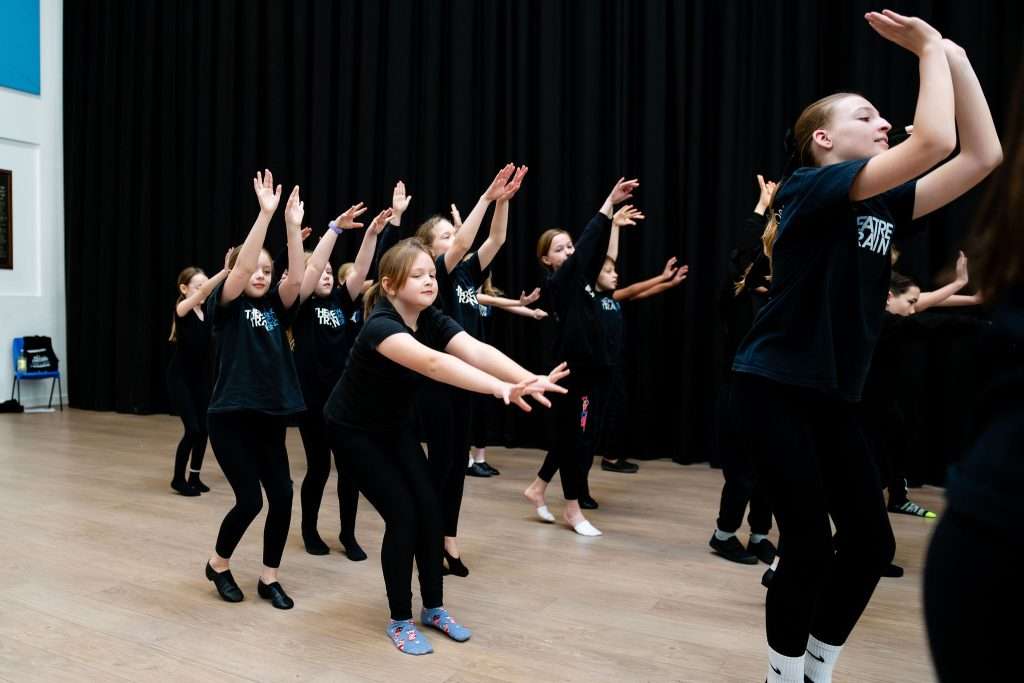
Dance and movement improve balance, posture and coordination, strengthening the connection between mind and body.
Breath control in singing and physical awareness in acting also support overall wellbeing and confidence in movement.
8. Self-Esteem and Confidence
Perhaps the most visible transformation through performing arts is increased self-confidence.
Children are encouraged to feel heard, supported and valued. Performance opportunities — whether informal sharings or full productions — allow pupils to experience achievement and pride in their progress.
Over time, children begin to recognise their own growth. Confidence becomes rooted not just in applause, but in effort, improvement and self-belief.
Find Your Local Theatretrain Centre
If you would like your child to experience the benefits of performing arts training, we invite you to find your nearest Theatretrain centre and book a taster session.
With centres across the UK, children can build confidence, develop life skills and discover what they are capable of — one Saturday at a time.