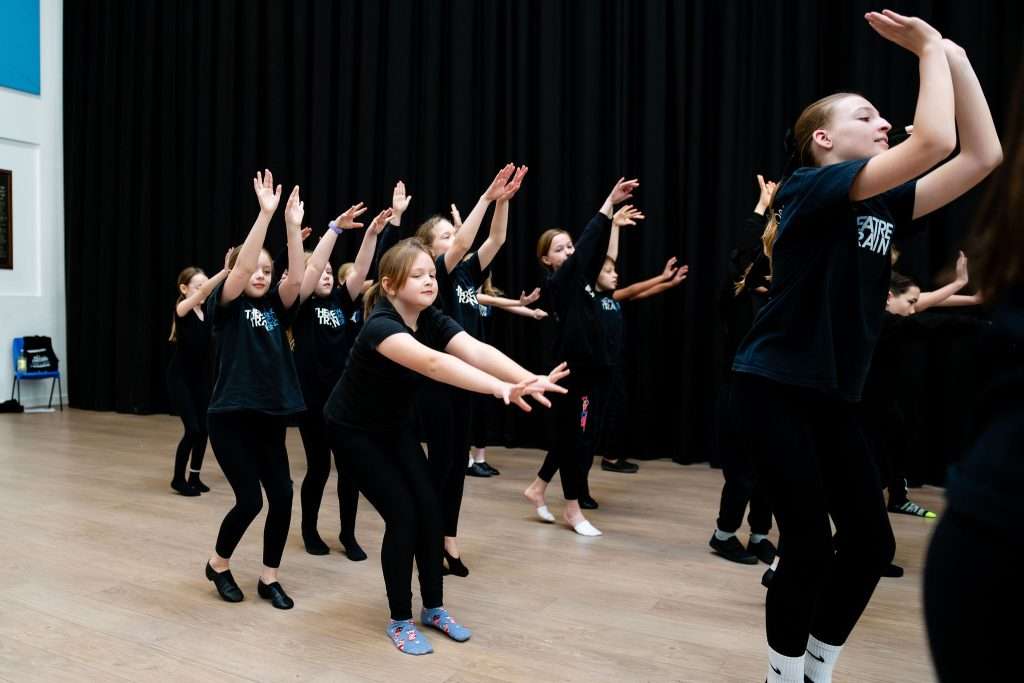
Drama is more than pretending — it’s a window into the heart and mind. When young people step into a character’s shoes, they learn about emotion, empathy, and the human experience. These are skills that enrich their lives far beyond the stage.
Why Emotional Intelligence Matters
Emotional intelligence (EQ) is the ability to recognise, understand, and manage our own emotions — and to empathise with others. Studies show that EQ is just as important as IQ when it comes to personal and professional success.
Drama naturally builds emotional intelligence by helping children:
- Identify feelings
- Express them in healthy ways
- Understand what others might be going through
Roleplay as Emotional Rehearsal
When students play different roles, they explore emotions they may not have encountered personally. A character might be scared, lonely, excited, or angry — and the actor must learn what that feels like and how to portray it honestly.
This emotional “rehearsal” helps children:
- Navigate complex feelings
- Develop vocabulary for emotional expression
- Become more compassionate and aware
Safe Space to Explore
Drama classes are supportive environments. Children are encouraged to take risks, explore big feelings, and reflect on their performances — all without judgement.
This freedom allows them to grow emotionally, helping them become more self-aware and confident in expressing themselves.
Empathy Through Storytelling
Telling stories is how we make sense of the world. Drama brings those stories to life — helping young people understand different perspectives, cultures, and experiences.
As they bring characters to life, students learn to ask:
- “Why does this person feel this way?”
- “How would I respond in their place?”
- “What can I learn from this situation?”
These questions build empathy — a vital life skill.
Drama and Mental Health
Drama also helps students manage stress, anxiety, and emotional tension. It gives them tools to:
- Express bottled-up feelings
- Use movement and voice to release tension
- Channel nervous energy into performance
Performing arts are proven to support emotional regulation and mental health in young people.
Building Social Skills
Collaborating on scenes, improvisations, and plays teaches students to listen, take turns, and respect others’ ideas. These social-emotional skills help them become thoughtful, inclusive, and emotionally mature individuals.
Famous Believers in Drama’s Power
Actor Viola Davis once said, “Acting is the ability to live truthfully under imaginary circumstances.” That truthfulness is what makes drama such a rich emotional learning experience.
Parental Support for Emotional Growth
To encourage emotional growth at home:
- Ask children how a character felt after rehearsals
- Celebrate their expression, not just performance
- Help them connect stage experiences with real-life situations
Final Thoughts
Drama is a gift that teaches more than performance. It helps young people connect with their emotions, relate to others, and find their voice in the world. These hidden gifts — empathy, confidence, and self-awareness — will serve them throughout their lives.
At Theatretrain, we believe every child has a story worth telling. And when they step on stage, they don’t just act — they grow.