It sounds impressive, but what does it mean? Our new catchphrase simply describes in three words what we do.
Firstly, unshakeable does not mean you are never shaken. That happens to all of us. Young people experience nerves, disappointment, criticism and moments when they doubt themselves. Failure is important. So being unshakeable does not mean you are always hard or unaffected.
It means things happen to you, but you can cope; you learn to recover and move on. You can sing a wrong note, miss a step or forget a line, but you go on. It doesn’t throw you. It makes you more resilient without pretending that everything is easy.
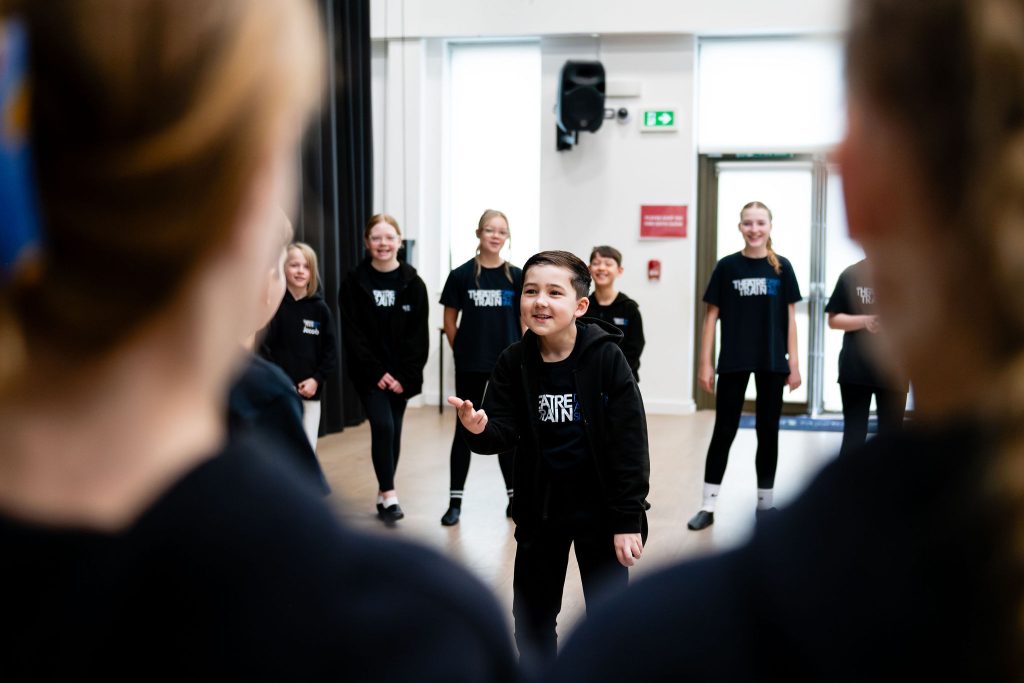
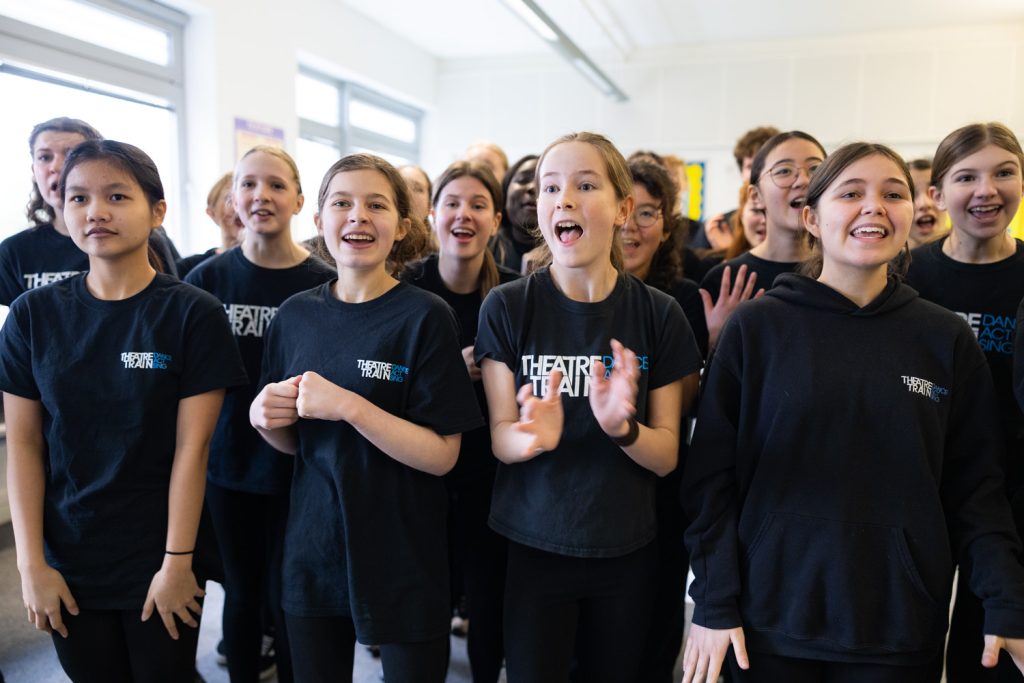
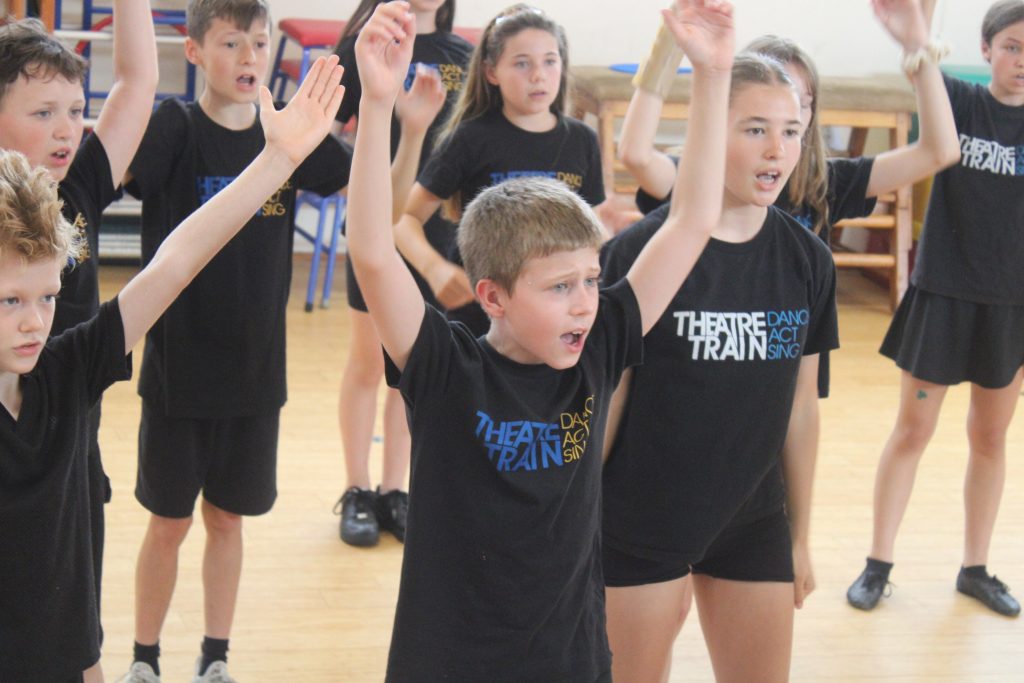
We say “together” because in Theatretrain you don’t face these events on your own. In classes you depend on each other for timing, energy, focus and encouragement; you step up as a team. A dance works when you move together, a song is more powerful when voices combine, a scene transforms when the performers listen to each other. Other people give us more strength to face problems. On good days you bring something strong to the group; on tricky days they stand with you. While asking for help, supporting others and being part of the team are all signs of strength.
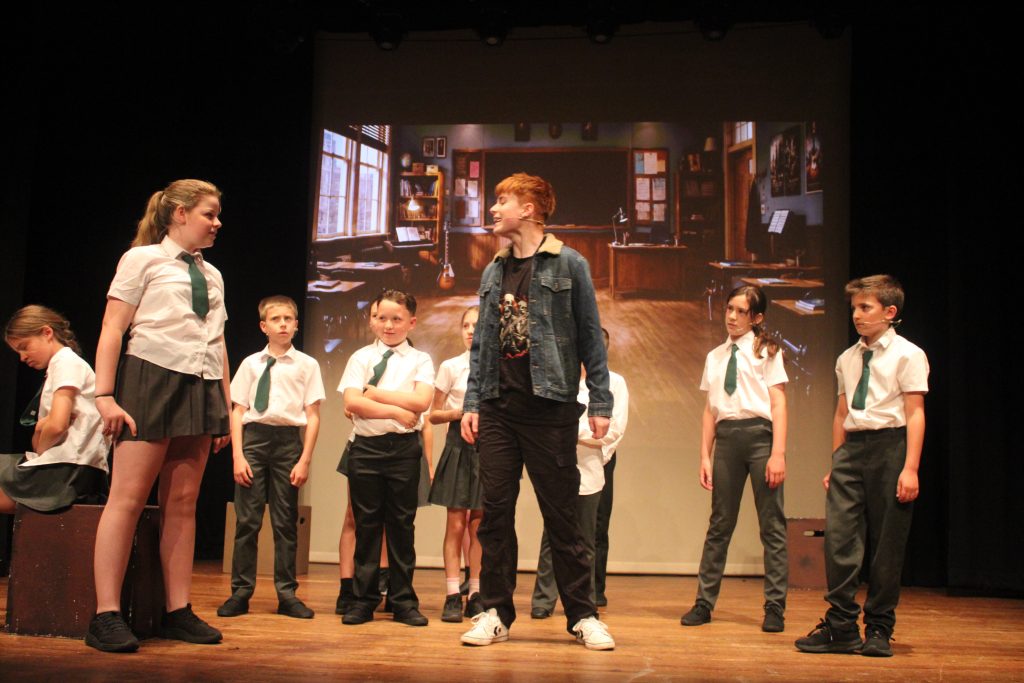
Theatre, by its nature, gives young people lots of opportunities to practise being unshakeable. They stand up in front of their group and then an audience. They accept correction, and they go over things until they work. They deal with nerves by facing them. They discover that mistakes can be overcome and gain confidence from it afterwards.
Sometimes this means accepting a smaller part than the one you wanted or carrying on when someone else gets something wrong on stage. It also means being there for another student who may have lost their confidence. And certainly, it means staying focused when the whole company is looking to you at a moment in a performance.
The important thing to say is that we are not training young people never to wobble (because we all do that) but how to carry on and deal with it and know that you are not on your own. Everyone helps everyone else to be focused and enduring. I can’t think of a more important life skill that you would carry through the rest of your life.