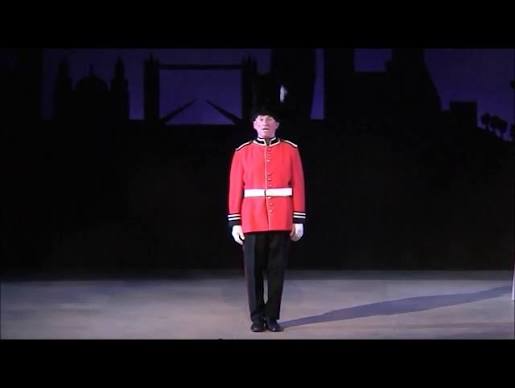
If you go to see Agatha Christie’s The Mousetrap, you’ll see a piece of theatre that is stuck in the early 1950s. It’s not only the costumes, the script and the acting style – it’s also the special effects. They still have a mini door backstage to do the slam sound, and a basket to drop “snow” from above. It’s all part of the charm, and in that sense, it’s a kind of museum.
For an even longer run, you have to go to the Maly Theatre in Moscow, where Woe from Wit, a comedy, has been running since 1831.
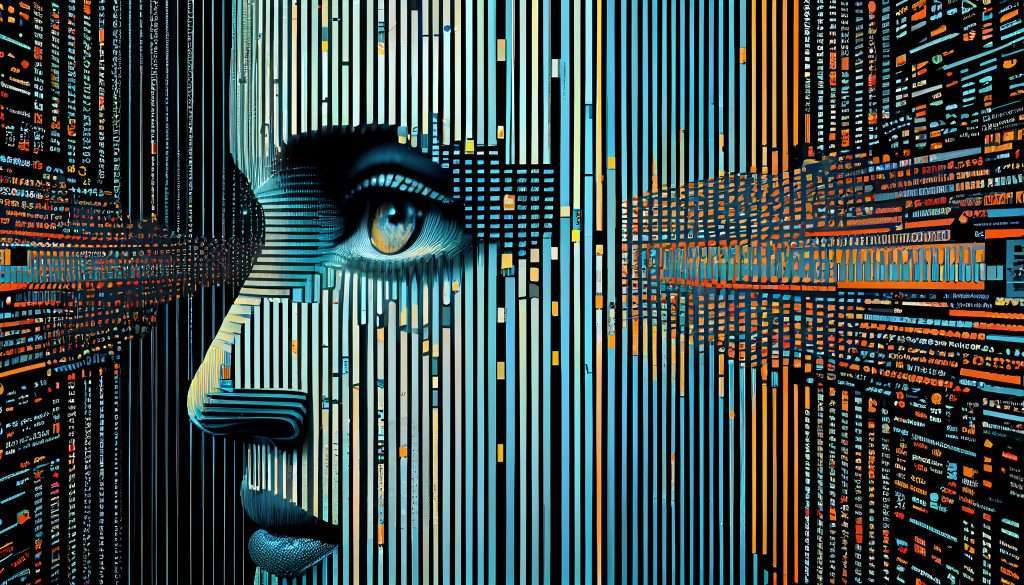
These days, special effects, lighting and sound are different and looking into the future, we can see artificial intelligence. What will it do? On the plus side, it can alter the look and feel of a show. The Abba Voyage performance takes you to a recreation of the band in its heyday as if it were happening in front of you. The automated lighting is sophisticated, and the sound experience is powerful.
And yet. It’s not Abba, it’s automation. It’s very cleverly done by creating clones of Benny, Bjorn, Agnetha and Anni-Frid, but they are not present. It’s live, but a recreation like a clever tribute band. As in film, every performance is the same. In that sense, it is lifeless; it only exists in the here and now if we, the audience, react and make it so. And they do – it has become very popular.
There’s a place for recorded performance, of course, but I’m arguing the case for live performance. Sure, AI will bring slick production values and tech-heavy ingenuity, but it might be a bit soulless. If every performance is perfectly executed, won’t it lack that essential element – that bit of us that sometimes gets it wrong? I’d take it further and say that’s what is special about live performance.
Say you are performing and your fellow actor knocks against a table, and a vase wobbles, you’d catch it as it falls or crouch down and pick up the pieces. You’d react naturally, and you wouldn’t say the lines in the same way. That’s creative, yet if you tried it again the next time, it wouldn’t work because you’d be forcing it, and you’d lose the genuineness of it.
Everyone is slightly different, and when your fellow performer pauses slightly longer or says their line slightly differently, you respond as a human, modifying to what they have done. Out of that adjustment comes the magic of today’s unique version.
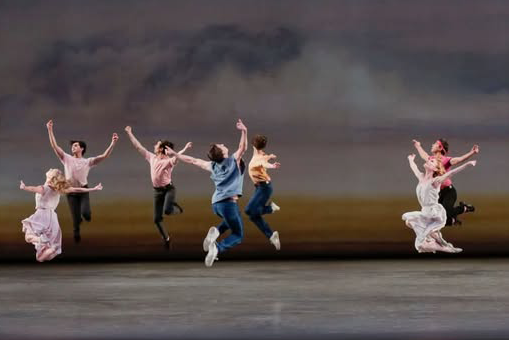
Further into the future, will classes be led by perfect clones of how a step or a voice is generated? I hope not. I don’t get excited by that kind of perfection. I want the slight awkwardness or idiosyncrasy of real people. My best teachers had a sense of humour, a way of explaining things that drew me in. We became part of a gang; we were “in the know,” and it made us connect.
For that reason, I think it will be a long time before AI takes over teaching or performing. It lacks the personal touch, the silliness and moment-to-moment unpredictability of real people. And long may that be so.