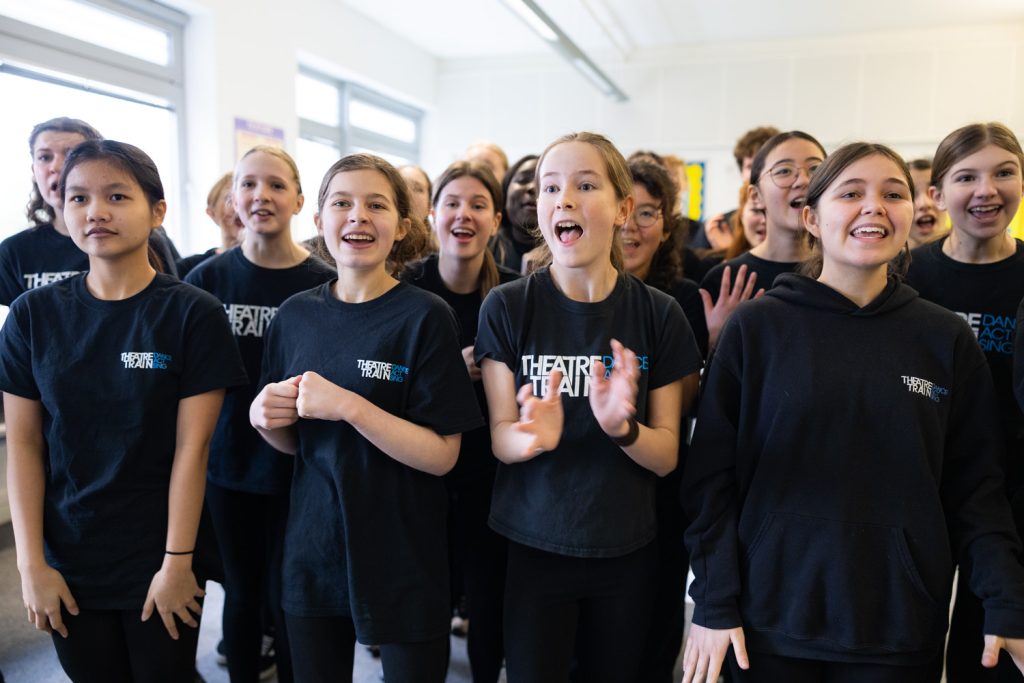
Empathy is a crucial life skill that enables individuals to understand and share the feelings of others. In a world that often feels divided, nurturing empathy in young people is more important than ever. Acting classes provide a unique opportunity for students to explore various perspectives through character portrayal, allowing them to step into the shoes of diverse individuals. At our theatre school, we prioritise empathy development as part of our curriculum, encouraging young people to connect with the emotions and experiences of others.
One of the most effective ways acting fosters empathy is through character exploration. Students are often assigned roles that require them to embody characters with different backgrounds, cultures, and experiences. This process encourages them to think deeply about the motivations and emotions driving their characters’ actions. By doing so, students learn to appreciate the complexities of human experience and recognise that everyone has their own story. This insight not only enhances their acting skills but also fosters a deeper understanding of the world around them.
Additionally, acting often involves collaboration with peers, which can further enhance empathy. Working together on performances allows students to communicate, share ideas, and offer support. They learn to listen to each other’s interpretations and respect different viewpoints, cultivating a sense of camaraderie and understanding. As they rehearse and perform together, they develop a collective awareness of each other’s strengths and challenges, reinforcing the importance of empathy in their relationships.
To nurture empathy in your child through acting, consider these strategies:
- Encourage Active Listening: Promote the practice of listening actively when others are speaking. This skill is crucial in understanding different perspectives.
- Discuss Characters’ Motivations: After performances or rehearsals, engage your child in conversations about their characters’ motivations and emotions to deepen their understanding.
- Explore Diverse Stories: Introduce your child to literature, films, and plays that feature diverse characters and narratives, fostering an appreciation for different perspectives.
- Promote Open Dialogue: Create a safe space for discussions about feelings and experiences, encouraging your child to express their thoughts and learn from others.
In conclusion, acting classes serve as an invaluable tool for fostering empathy in young people. By stepping into various roles and collaborating with peers, students develop a profound understanding of different perspectives that can enrich their lives and relationships. If you’re interested in helping your child build empathy through acting, visit www.theatretrain.co.uk to learn more about our classes!