Shyness and its Impact on Children
Shyness is a natural trait, but when it’s too pronounced, it can hinder a child’s ability to thrive socially and academically. Children who are shy often avoid new experiences or opportunities because they fear failure or judgement. Over time, this can limit their potential and leave them feeling isolated.
Performing arts classes offer a remedy. Unlike traditional activities that focus on competition or academic achievement, the arts provide a non-judgmental space for children to explore their emotions, try new things, and connect with others.
A 2022 report by the British Journal of Developmental Psychology found that creative activities, particularly those involving group participation, significantly reduce social anxiety in children. This research underscores the idea that environments encouraging self-expression can help children overcome shyness.
Why Performing Arts?
Performing arts are uniquely suited to building confidence because they engage children in both individual and group activities. For example:
- Acting: Encourages children to step into different roles, allowing them to express emotions and perspectives in a way that feels safe.
- Singing: Teaches children to use their voices boldly, helping them feel comfortable speaking or performing in front of an audience.
- Dancing: Combines physical movement with creative expression, helping children gain a sense of control and coordination.
These activities gradually build self-esteem by shifting the focus away from fear and onto exploration and achievement.
The Power of Small Wins
One of the key ways performing arts classes help children grow is by celebrating small victories. At first, a child might only participate in warm-up exercises or group activities, but each tiny step is a step forward. Over time, these small achievements accumulate, leading to a greater sense of self-worth.
Research from the National Endowment for the Arts highlights that children who participate in drama and music are more likely to exhibit high levels of self-esteem and social competence. By creating an environment where effort is rewarded, performing arts classes teach children to value their progress, no matter how small.
The Role of the Instructor
Instructors in performing arts classes play a critical role in helping shy children grow. Unlike in competitive sports or academic environments, performing arts teachers focus on encouragement and inclusivity. They help children feel comfortable making mistakes, which is essential for building resilience.
For instance, a drama teacher might guide a nervous child through their first line of dialogue with gentle prompts and reassurance. A dance instructor might pair a beginner with a more experienced student to build confidence. This personalised approach ensures that each child’s unique needs are met, allowing them to flourish.
Teamwork and Collaboration
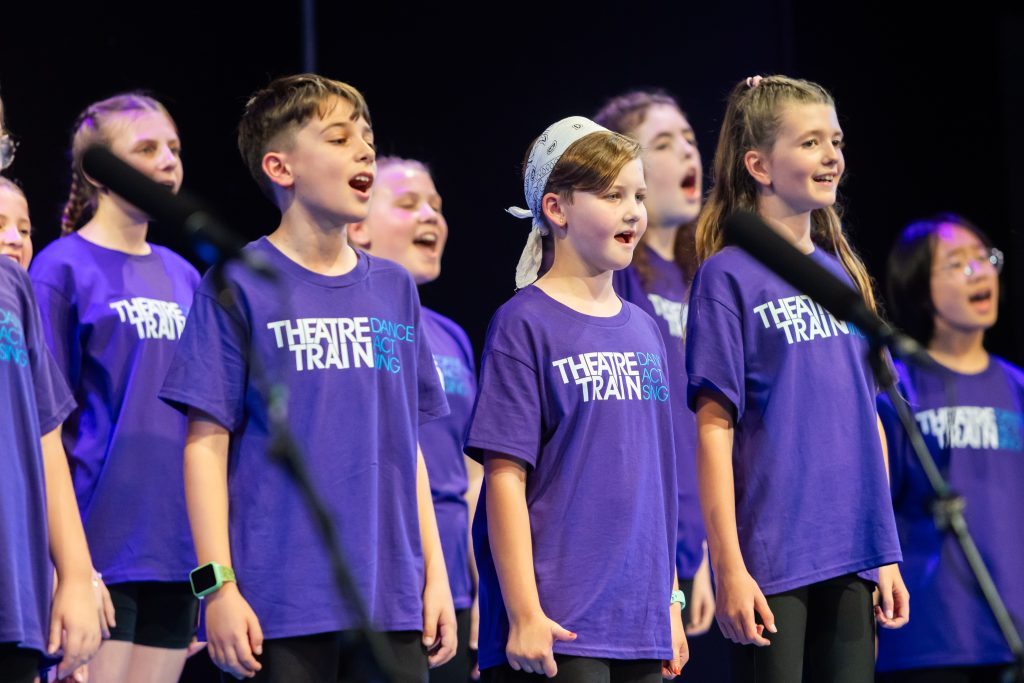
Another key aspect of performing arts classes is the emphasis on teamwork. Whether rehearsing a play, singing in a choir, or performing a group dance, children learn to work with others towards a shared goal.
This collaborative environment is particularly beneficial for shy children, as it fosters a sense of belonging. Working alongside supportive peers helps them feel valued and connected, which in turn boosts their confidence. According to a study published in the Journal of Educational Psychology, group-based activities improve social skills and reduce feelings of isolation in children.
Overcoming Fear of Failure
One of the biggest hurdles shy children face is the fear of failure. They may avoid trying new things because they’re afraid of making mistakes. Performing arts classes address this by normalising mistakes as part of the learning process.
In drama, for example, forgetting a line isn’t seen as a failure but an opportunity to improvise. In dance, missteps during practice are expected and treated as a natural part of mastering a routine. This approach teaches children to view challenges as opportunities rather than obstacles, which helps them build resilience and confidence.
The Long-Term Benefits of Performing Arts
The confidence children gain through performing arts doesn’t just stay in the classroom. It has a ripple effect on every aspect of their lives. For example:
- Academic Performance: Confident children are more likely to participate in class, ask questions, and engage in discussions.
- Social Skills: Children who feel comfortable expressing themselves are better able to build friendships and navigate social situations.
- Future Careers: Employers consistently rank communication and teamwork as some of the most valuable skills, both of which are cultivated through performing arts.
Studies have consistently shown the long-term benefits of performing arts. A report from the Arts Council England found that children who engage in drama and music are more likely to achieve academic success and demonstrate leadership skills. Additionally, the Creative Skills for Life initiative highlights how arts participation builds resilience and emotional intelligence, qualities essential for personal and professional growth.
Building Confidence Through Celebration
One of the most rewarding aspects of performing arts is the opportunity to celebrate achievements. Whether it’s a small performance in class or a full-scale production, these moments of recognition reinforce a child’s confidence and motivate them to keep growing.
Parents often notice significant changes in their children after participating in performing arts classes. Many report that their children are more willing to speak up in school, take on new challenges, and interact with others more freely. These changes are a testament to the transformative power of the arts.
For shy children, performing arts classes can be life-changing. By providing a supportive environment for self-expression, collaboration, and exploration, these classes help children build the confidence they need to thrive. The skills they develop—resilience, communication, and self-assurance—prepare them for success both on and off the