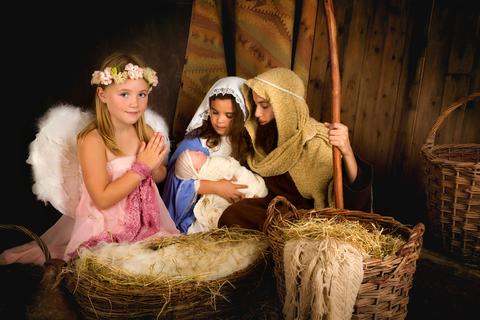
For many children, their first taste of performing often happens during a school Christmas play – more specifically, the beloved Christmas Nativity. In classrooms and school halls across the country, children put on angel wings, shepherd robes, and starry costumes, stepping into roles that have been played by generations before them. While these performances are charming and nostalgic for parents, they also offer something more profound: an introduction to the arts that can positively shape a child’s development.
Early Performances: A Key Developmental Milestone
The Christmas play, often the Nativity, may seem like a light-hearted end-of-year tradition, but for children, it holds a deeper significance. This early experience in the spotlight can leave a lasting impact, encouraging skills that go far beyond the performance itself. From communication and teamwork to self-expression and confidence, taking part in these productions is invaluable.
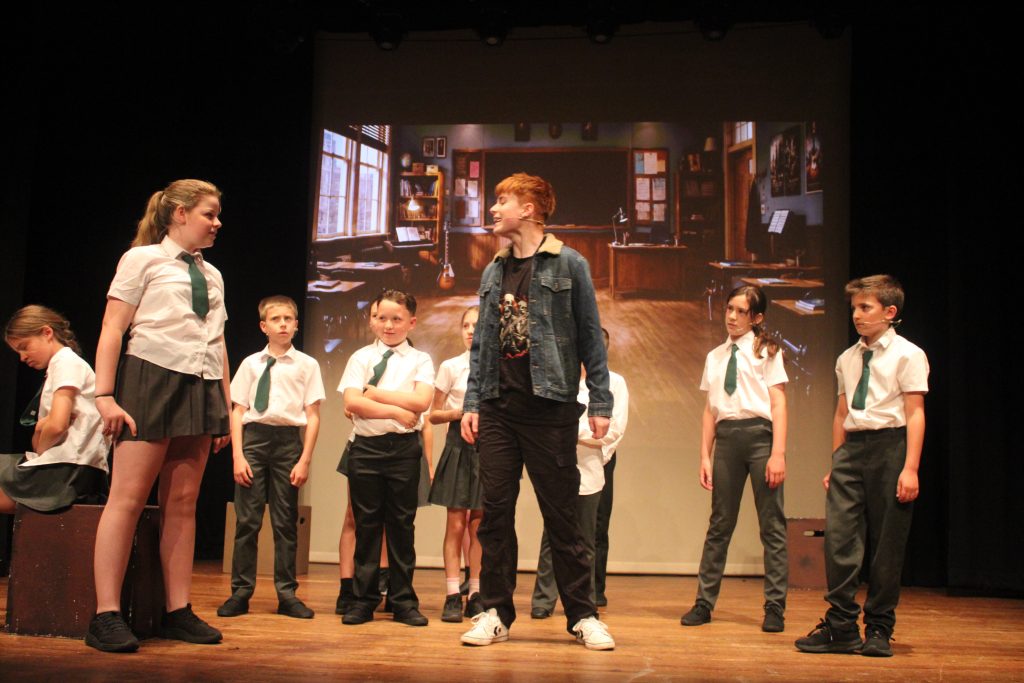
Children, especially in their formative years, benefit greatly from creative expression. Being part of a Christmas play helps young ones learn to memorise lines, follow instructions, and stay committed to a group effort. It encourages them to work together, even when they’re nervous, shy, or unsure of their abilities. Whether they are playing Mary, Joseph, or even the donkey, every child contributes to a collective success, which helps them develop a sense of achievement and belonging.
The Importance of Arts in Early Development
Theatre, music, and performance arts play a crucial role in early childhood development. Studies show that children who engage in the arts develop better cognitive, emotional, and social skills. These activities help improve focus, concentration, and language abilities, making arts education an essential component of a well-rounded education.
Through drama and performance, children learn to communicate their thoughts and emotions effectively. This is particularly important in a world that values creativity and interpersonal skills as much as academic achievement. Performing arts allow children to explore their imaginations, develop empathy by stepping into different characters, and understand the value of storytelling.
Moreover, early exposure to performing arts, like the Christmas Nativity, fosters confidence. Taking to the stage, even in front of a small audience, helps children conquer stage fright and shyness, giving them the tools they need to tackle more significant challenges later in life.
Theatretrain: Nurturing the Next Generation of Performers
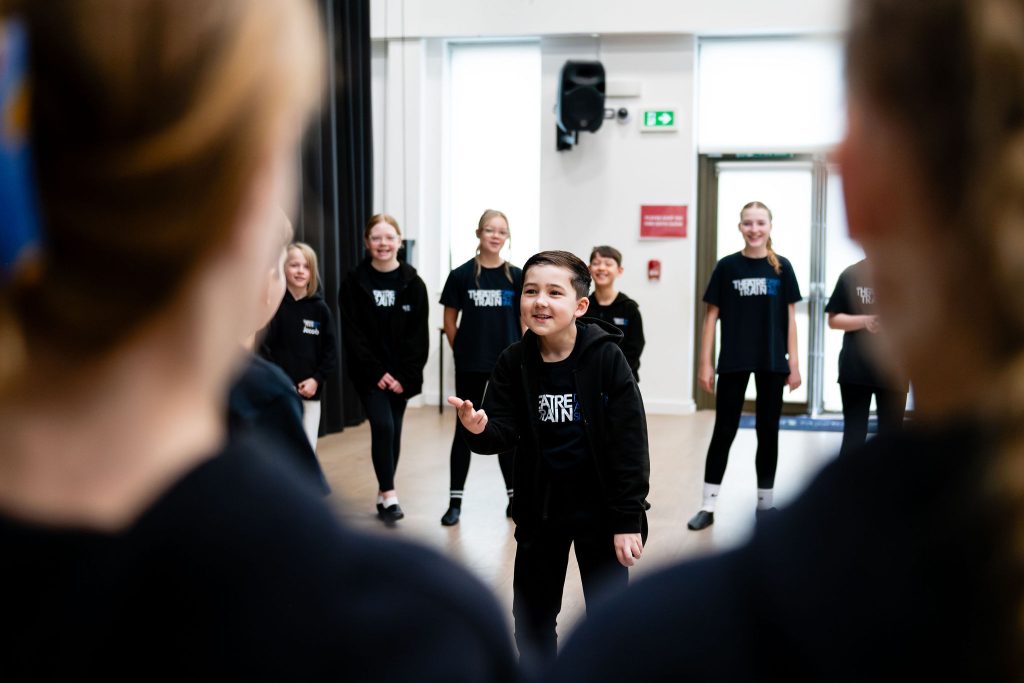
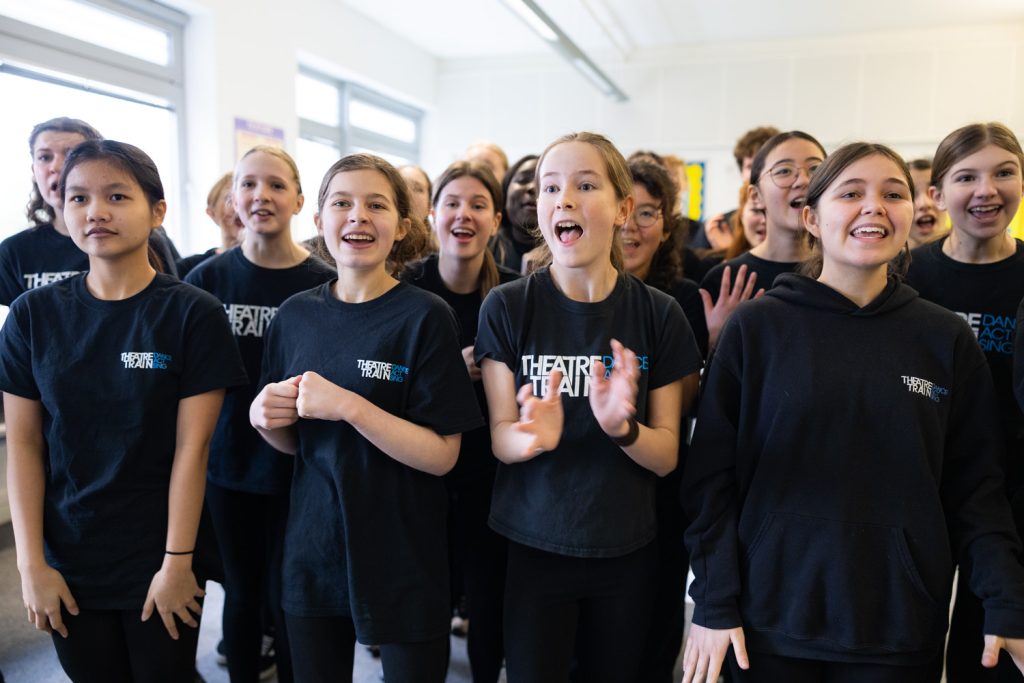
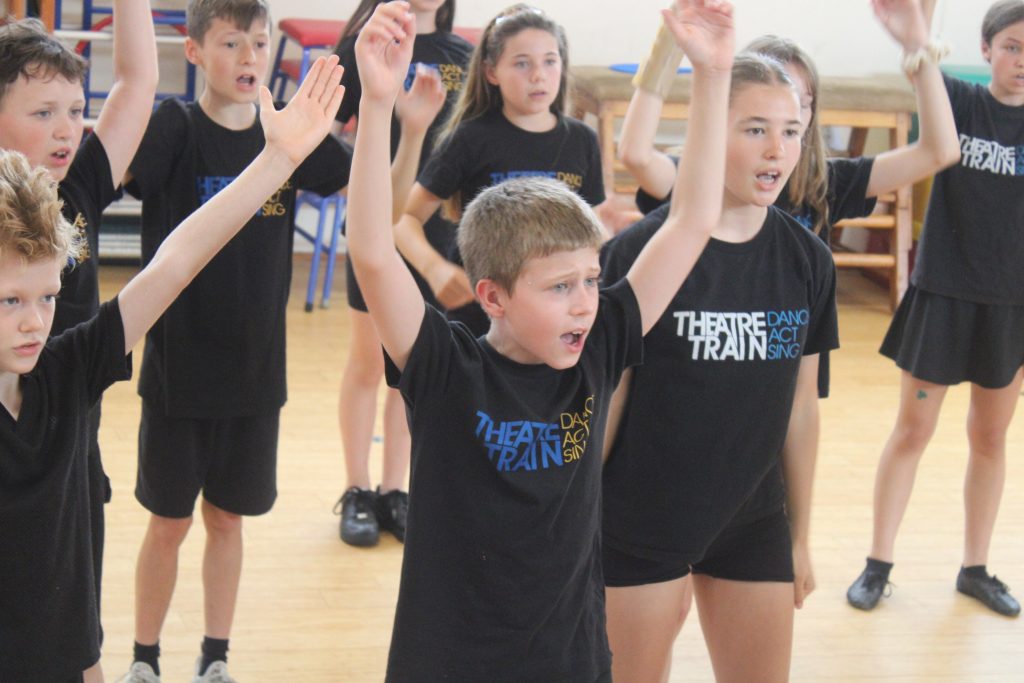
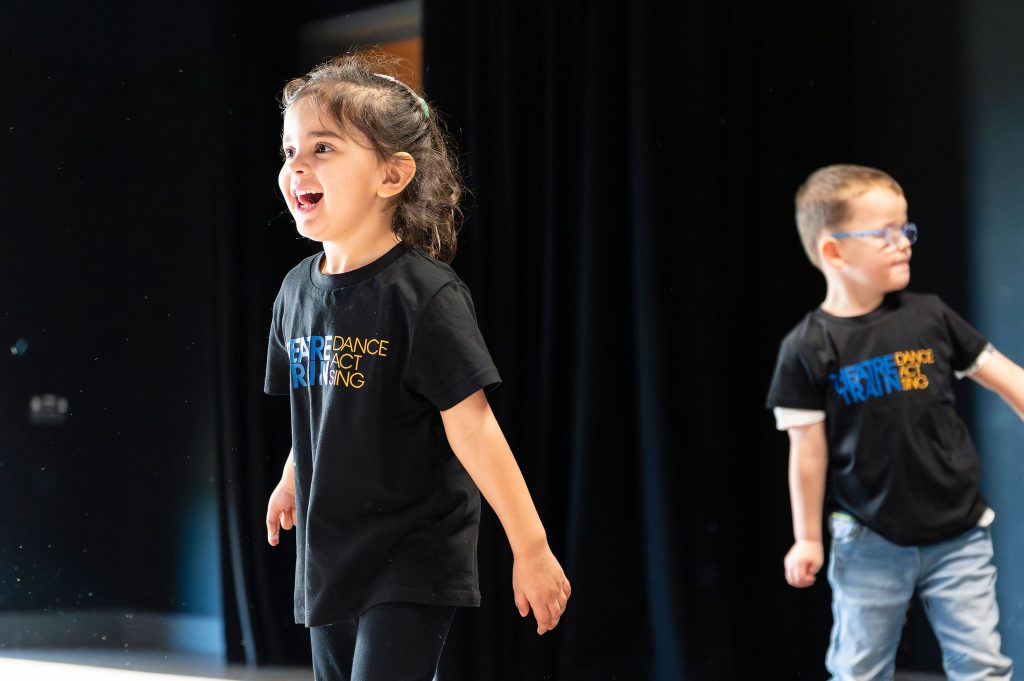
At Theatretrain, we believe in the transformative power of the arts and are dedicated to nurturing young talent. Through acting, singing, and dancing, we create opportunities for children to explore their creative potential and develop vital life skills. Whether they have dreams of performing on a West End stage or simply want to try something new, Theatretrain provides a welcoming and supportive environment for all.
The Christmas Nativity may be one of a child’s first experiences with performing, but it doesn’t have to be their last. By continuing to encourage young people to engage with the arts, we help them build confidence, resilience, and a lifelong appreciation for creativity.
The magic of a school Christmas play is something that stays with us all. For many children, this is their introduction to performance, a small step onto the stage that can spark a lifelong love for the arts. By giving children these early opportunities to perform, we’re not just preparing them for the next school show – we’re helping them develop skills that will benefit them throughout their lives.
At Theatretrain, we see the value of this creative expression and are proud to help children continue their journey in the arts, long after the Christmas costumes have been packed away.