Despite popular belief, the best way to enhance a child’s communication skills isn’t through reading.
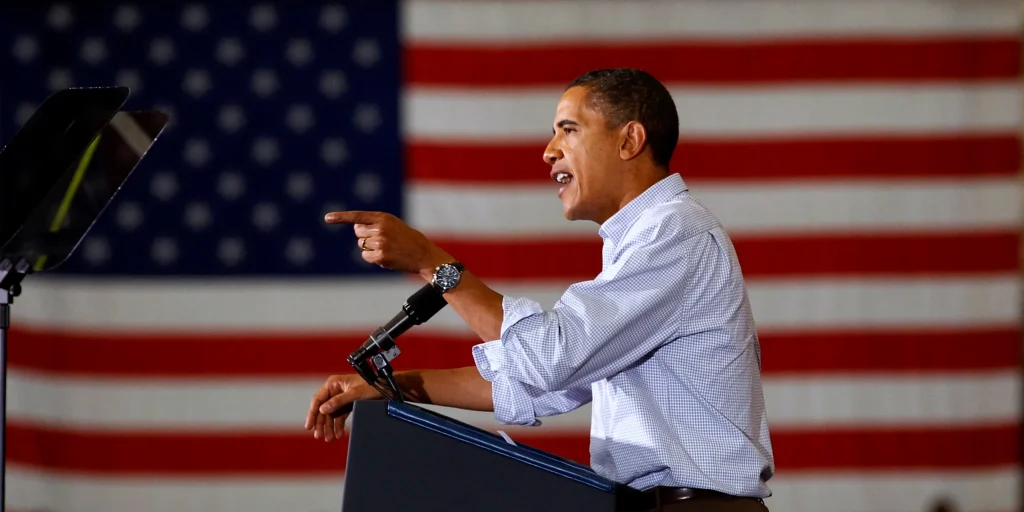
Let me take you back to 2008, a year that was full of hope and change, especially with Barack Obama on the campaign trail. Now, you might think that his natural charisma and eloquence just came out of nowhere, but here’s a surprising tidbit: Obama used drama techniques to perfect his debate skills. Yes, our former President had a little bit of an actor in him!
Obama’s preparation for debates was almost theatrical. He didn’t just memorize talking points; he rehearsed like an actor preparing for a Broadway show. One might say his debate prep was more Shakespeare than CNN. He would practice his lines over and over, ensuring that he could deliver them with the right intonation, emotion, and timing. He didn’t just focus on what he was saying but also how he was saying it. This method helped him to appear calm, collected, and confident, even under the intense pressure of a live debate.
One of his secrets was practicing with a stand-in who played his opponent. This wasn’t just any ordinary practice session—it was a full-on performance. His team would set up mock debates where everything was as real as it could get. This included the opponent trying to throw him off with unexpected questions and tricky comments. Obama’s goal was to master his responses so well that no curveball could catch him off guard.
But here’s the twist: Obama also paid great attention to his body language. He understood that communication isn’t just about words. It’s about the unspoken cues, too. He practiced gestures, eye contact, and even the way he stood. This non-verbal communication was just as important in conveying confidence and authenticity. He knew that a powerful point could be undermined by poor posture or a lack of eye contact.
Perhaps the most surprising aspect was how he used feedback. After each mock debate, Obama would review footage of his performance, almost like an actor watching their own film to catch any mistakes. He’d take notes on everything from his delivery to his facial expressions, always looking for ways to improve.
This approach, blending drama with politics, didn’t just help Obama win debates; it helped him connect with people on a deeper level. By mastering the art of communication, both verbal and non-verbal, he could convey his message with clarity and empathy, making people feel heard and understood.
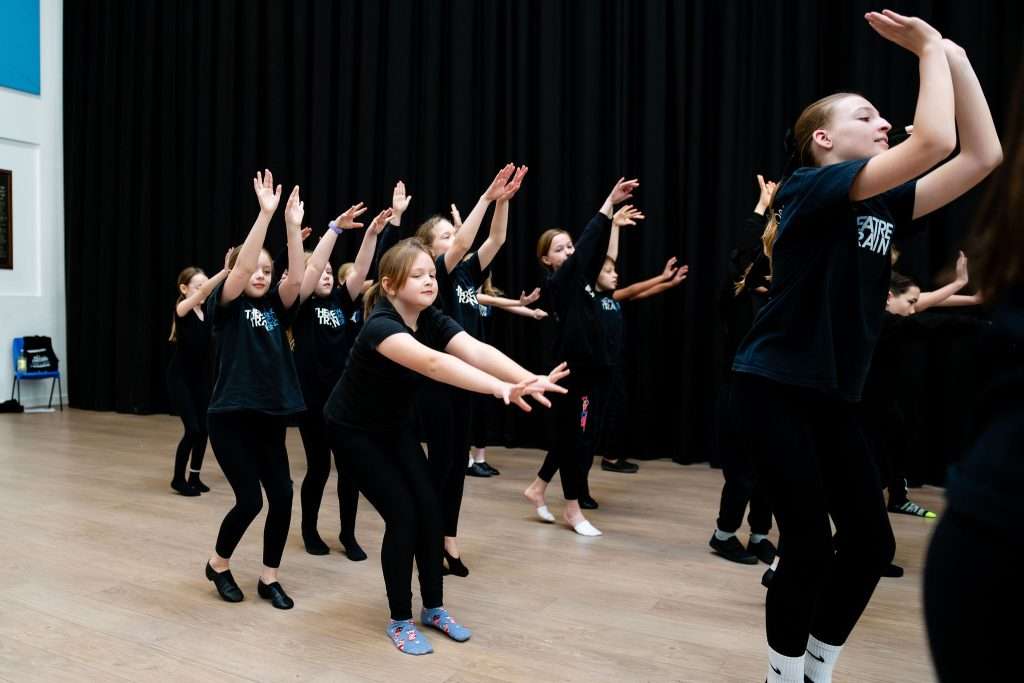
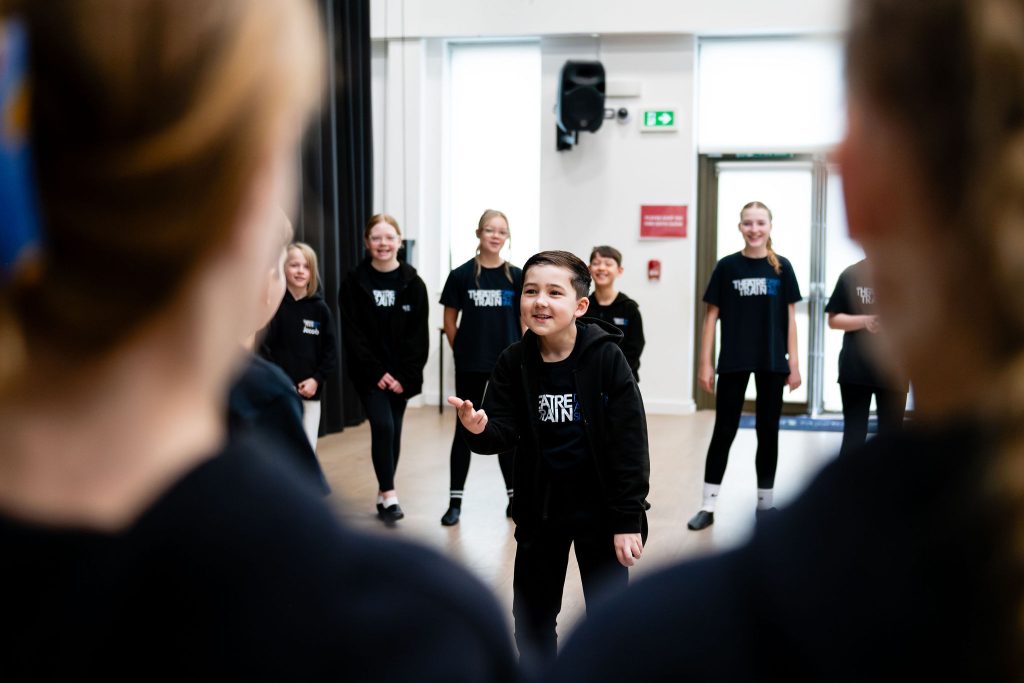
Thinking about Obama’s approach got me thinking about our kids. If a grown man can benefit so much from drama techniques, imagine what it could do for children. It’s fascinating how something as simple as acting can transform the way they communicate. And it’s not just about standing on a stage or performing in front of an audience; the skills they learn in drama can be applied to everyday interactions, making them more confident and articulate.
Here’s the real kicker: The active process of memorizing and delivering lines in drama enhances vocabulary and language skills more dynamically than passive reading. When children engage in drama, they aren’t just reciting lines; they are embodying characters, understanding contexts, and expressing emotions. This immersive experience does wonders for their language development. They learn new words in a meaningful context, which helps them remember and use these words more effectively. Plus, the act of performing boosts their confidence and helps them overcome shyness. It’s like giving them a secret superpower for communication.
If you’re curious about how drama classes can benefit your child, click here to learn more. It could be the game-changer you’ve been looking for!