Today is the launch of my new book. The last one was aimed at teenagers who wanted to know the mindset of the performer, this one is aimed at teachers and creatives who want to create outstanding work.
As I see it the creatives bring themselves – their life experience and their training in theatre. What I have set out to do is to give them another 60 skills they can gradually add to the mix that make the work fit the 21st century and make their students zing on stage.
There are three groups of skills. Firstly, how do you build a high-functioning group of any age that will bond and have the best time in what they do? How do you develop listening and focus? How do you release energy and aliveness?
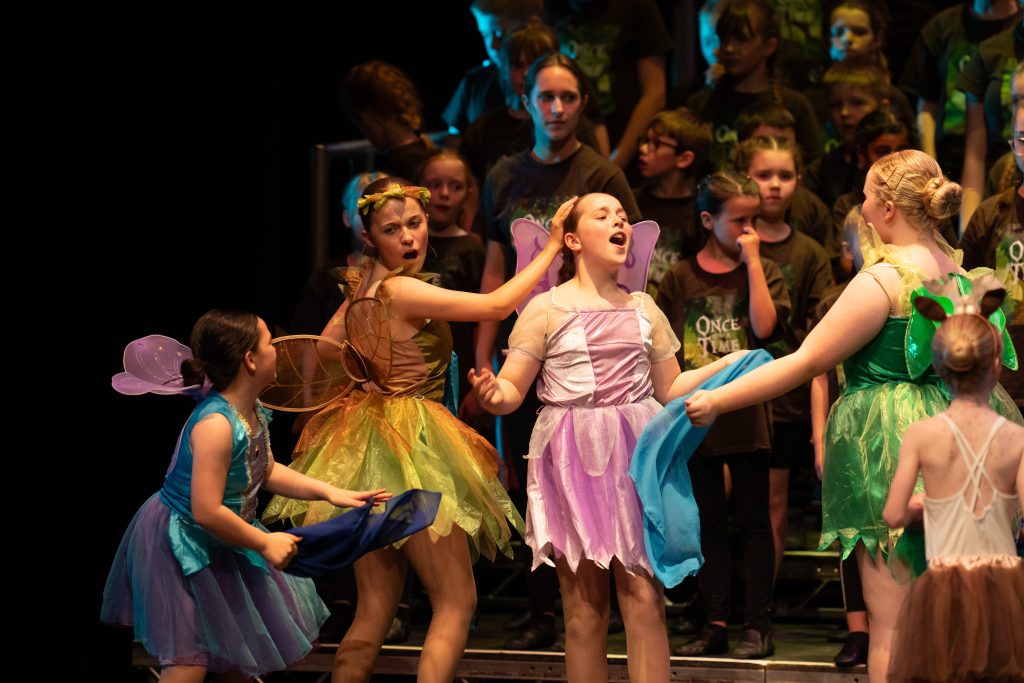
Then you have theatre skills. How to make a story in three minutes with a song or dance. How do you engage an audience and keep them enthralled by a performance? How do you prepare young performers for that moment when they are standing by in the wings with their hearts in their mouths and they can hear the excited audience? How do you get them to be authentic and confident in the space?
Then finally there are so many life skills you can develop along the way. What about resilience, self-esteem and empathy just for starters? One of the first recipients of this book will be the government because I believe our work brings so many skills that our young people will need in the future.
Theatre training is unique because you can experience say empathy by putting your feet into someone else’s shoes – in other words inside the work. But some learning also takes place outside the work as you make the journey together as a team.
Scientists have discovered that when you act out a feeling – and it could be joy or sadness, fear or excitement – you open up those same pathways in the brain as if it were happening. And the same is true for the audience who experience these feelings just by watching. The more pathways are built in the brain the more integrated and understanding we become as people. And that is why I think the arts are so important in our lives. They enable us to experience life at one stage away and help us make sense of what we see in real-time.
So, this book is a bit of a car manual for a creative. You lift the bonnet of a group and see where you think you could grow the group and give them more skills, then the book suggests a whole range of examples for all three disciplines – acting, dancing and singing.
Why Two Planks and a Passion? In the Middle Ages, performers travelled from town to town and set up their stage in the square or village green. Apparently, they then often visited the pub to find out the names of the mayor and the policeman so they could work them into their stories.
The planks of their stage once set up enabled them to give their passion – whether it was comedy or tragedy. The planks here are the skills of the group and the theatre skills all glued together with life skills!
Finally, I hope you’ll allow me a plug for the book itself as this is where you can find it. Two Planks and a Passion by Kevin Dowsett | Amazon
Credit: Layout and Illustration by Chris Crediton