Many years ago, I was cast in a play and went to all the rehearsals. I had a great time and then we approached the big day. I took up my position behind the scenes and readied myself. Suddenly and unexpectedly, I wished I wasn’t doing it. I wanted to be anywhere else but there. Why did I agree to do this? My palms were sweaty, my mouth dry and my heart was beating faster. What was my first line? Help!
My moment came and I walked out into the bright lights and began. I was fine and I soon had no time for nerves because I was busy doing my job. I think we all have the fear of being judged, embarrassing ourselves and losing our confidence. I heard recently the American performer Laurie Anderson say that she had taught herself never to be afraid of anything. That’s a nice idea especially as our thoughts are what is causing the problem.
These days we know young people are more anxious than ever. A lot of that fear is in their mind as it was for me. That’s why I think it’s so good to push yourself out of your comfort zone. In small ways at first but growing self-belief and dealing with the things that hold you back. That has to be good for your life, doesn’t it?
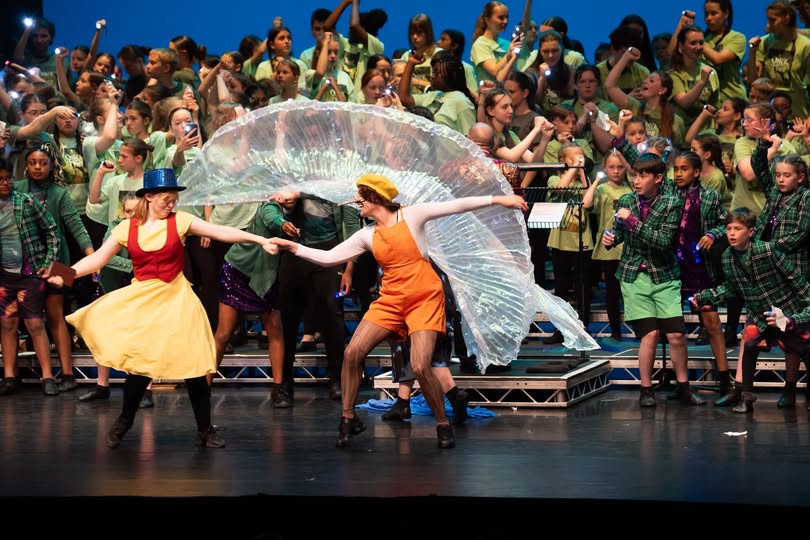
At Theatretrain we solve this problem by making the group the centre of the work. In a group, you can face fears openly even talking about them – but together. If you make a mistake it doesn’t matter. The group gives you permission to go for it. It’s a powerful thing to know you are surrounded by people who feel the same way and are doing the same thing. Then you can focus on what matters – the audience. They don’t want to see someone in anxiety they want to see a performance.
I love it when someone steps up and not only joins in but mentally says, “You just watch me!” And when they come offstage their eyes are alight, they are excited and they feel good. By going through it they have validated themselves, conquered their fears and found it wasn’t so bad after all.
That can be such a turning point. The audience gives you a buzz and you give yourself a buzz, “I can do it!” Eventually, you reach a point where you realise that those offstage fears are a good thing. How’s that? They show that you care about what you are doing. They give you an edge, they sharpen your mind and then you can accept it as part of the excitement of stepping up in front of people. For so many young people and adults that’s such an important lesson to face. And maybe after having faced their fears they can say they are not going to be afraid.