As a child, I loved reading. I sometimes came home from school complaining of feeling ill just so I could go to my room and do some more reading. I loved how it took you to different worlds and opened up your imagination – how it took you out of yourself. I liked to go to the children’s library every week and discover new books to take home with me. Sometimes characters in stories even seemed like friends and I was disappointed when the book came to an end – unless there was a sequel and I’d be all over that.
We know that reading plays a huge part in learning. It opens doors of understanding and builds confidence. For those who feel alone or fearful or misunderstood, it can be a beacon of hope and a great way of finding out that other people have faced the same problems and come through it.
According to the Book Trust, 95% of families know how important it is to read with their child but only 42% do it. 53% of parents and carers of primary-age children say reading is not a big part of family life. We lead busy lives with many distractions but our children surely need to develop early on that love of books and what they can do. If we don’t show them how to love learning then they might shut out an experience that can help them be happier and more fulfilled.
Think of the impact that Lewis Carroll, AA Milne, Dr Seuss, Roald Dahl, CS Lewis, JK Rowling and Rick Riordan have given the world. The places in their books have opened up whole imaginative worlds to young minds. They’ve widened vocabularies, introduced different ideas and encouraged in turn, young people to develop their own creativity.
It’s such a shame that many people think reading is a chore or something they’d rather not do. As an educator, I know the value of reading but I also know we have to find ways to get kids to value it as well. Psychologically you sometimes need to trick them into it with ideas for making it fun.
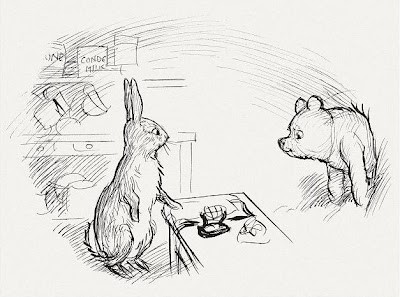
I think a good way is to involve them in storytelling. If there is a dog in the story get the child to “Woof” every time its name is mentioned. If the writer says someone sighs then get the child to make a sigh as well. If there is a knock on the door, pause while they make the knock. It draws them closer to the action by putting them in the here and now and they bring the story to life more in their head. Then you can develop empathy for a put-upon character by feeling sympathy for them when you read – it does come over to a child in your voice. I love making Eeyore so negative, Pooh slow but hungry, Owl so mock-learned and Tigger so fast and fun.
Gradually the child starts to read more and more for themselves – they find pleasure in it. Then maybe they are hooked for life. They take a bigger interest in their development and it flows across everything they learn. The benefit is they become a fuller person, with a wider command of the language, more experiences to draw upon and a real sense of how other people feel. Put simply it makes nicer people.