April 21, 2025

Overcoming Shyness

In this heartfelt blog, Theatretrain’s Artistic Director Kevin Dowsett explores how the performing arts can transform shy young people into confident, expressive individuals. Drawing on years of experience, he shares insights into the quiet strength of reticent students, the challenges they face, and the magic that happens when they find their voice—often becoming the most powerful performers of all.

Most of us have had the experience of feeling out of our depth and wanting to stand back or not even engage. We often meet shy newcomers in our sessions. And why wouldn’t you be? A whole crowd of excited young people who all seem to know each other would be intimidating to a gentler spirit.

Firstly, let me say that “shy” is a label, and usually, people become their labels, so you need to be very careful when speaking to young people. But shyness is a response that we can recognise in others. I’ve found that reticent people are often very observant about what is happening around them; it’s just that they don’t choose to share it or have not yet been able to find their voice. We sometimes meet parents who push their children into performing arts classes because they think it might solve a few problems for them, and often it does. But you can imagine the trepidation that the child feels on their first day.

It’s a challenge. As a creative, you need to gain their trust over time and build a stronger engagement. Singing is great because everyone is doing the same thing, and although it may take a while to catch up with what is happening, you can be anonymous and part of the gang – no one expects you to be the centre of attention. In dance, you are more exposed, but again, everyone is usually doing the same thing, and you will always find people in the room who also struggle a bit with getting it right.

Acting is even more exposing because, although you may be working in a group, you are generally expected to speak up and be part of a scene. That’s why there are so many trust exercises and activities like mirroring, where one person copies exactly the movement of their partner. They are low-level pressures, and once they switch over, the participants have shared being the leader and being the follower without talking.

Having a welcoming atmosphere is vital at this point because if that gradual growth of confidence isn’t rewarded, then it will take longer. I always say that those who don’t always take to it straight away can often be the best later. When they feel free to speak their observations and feelings, they come from a deeper, more authentic place, less shallow than those who sometimes show off and seek attention.

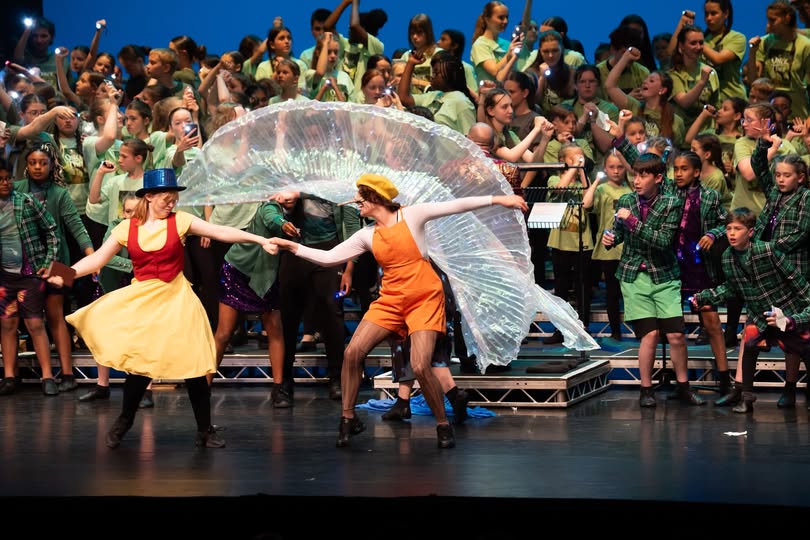
One of the special things about teaching is the moment when a student finds their feet and begins to speak and feel, and perform with gusto. Sometimes you can’t believe that they were capable of such things. This is when the work is truly transformational. Think what that does for a young person because it feeds into every other part of their life. Over the years I have lost count of the number of times it has happened. Sure, there are those who turn up, try out and instantly know it’s not for them but there have been so many who give it go, keep going, get praised and before you know it, they are leading from the front. For me that’s an amazing part of what we can do with the work and if they can do it in the company of hundreds of others it can be very exciting to watch.

Theatretrain, a nationwide provider of weekend theatre schools for young people aged 4-18, specialises in weekly classes in acting, singing, and dancing. An emphasis is placed on learning valuable life skills such as confidence, empathy, courage, and resilience. If you know a child who loves to dance, act and sing or could do with a little confidence boost why not visit to find out what our performing arts classes can offer your child at one of our 80 locations across the UK.

Related Articles

It’s About Other People

What happens when we make mistakes, lose confidence or feel we've let others down? In his latest blog, Theatretrain Artistic Director Kevin Dowsett explores the extraordinary strength of belonging to a supportive group. Drawing on a memorable mishap from his own performing career, Kevin explains why kindness, empathy and standing together matter far more than getting everything right.
Read more >

People in Public

How much can we learn about people simply by watching how they behave around strangers? In his latest blog, Theatretrain Artistic Director Kevin Dowsett explores the fascinating unwritten rules of public spaces, from choosing a seat on the Tube to avoiding eye contact at rush hour. For actors and theatre-makers, everyday behaviour can provide some of the richest inspiration of all.
Read more >

Making an Entrance

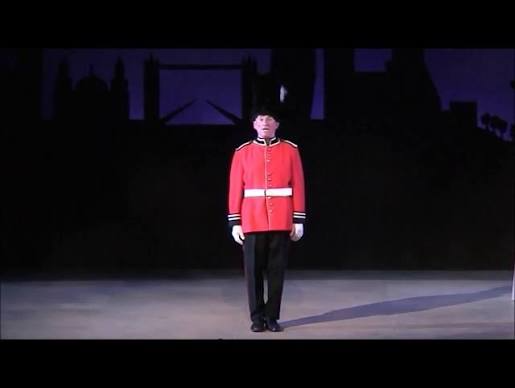
How much can we learn about a character before they’ve even said a word? In his latest blog, Theatretrain Artistic Director Kevin Dowsett looks at the importance of those first few seconds on stage and how a simple entrance can immediately spark an audience’s curiosity. He also considers why first impressions matter beyond the rehearsal room – and what theatre might teach us about the way we enter a room in everyday life.
Read more >

Happy Birthday, NYT

In his latest blog, Theatretrain Artistic Director Kevin Dowsett reflects on the National Youth Theatre as it celebrates its 70th anniversary. Drawing on his own experiences, and those of his daughter Tamsin, Kevin explores the lasting impact of youth theatre, from confidence and self-belief to collaboration and belonging. Inspired by a special anniversary performance, he considers the lessons we carry from our younger selves and the value of learning through experience.
Read more >

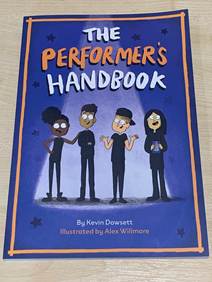
The Performer’s Handbook

A year ago, I told our company that I wanted to write a book for our students — one that would explain all the important…
Read more >

Dreams and Realities

In this thoughtful blog, Theatretrain Artistic Director Kevin Dowsett explores this year’s theme, Dreams and Realities, and the powerful role theatre can play in bringing imagination to life. From acting and singing to dance, he considers how young people can explore hopes, fears, different perspectives and the question, “What if?” while discovering the value of dreaming, creating together and seeing the world through somebody else’s eyes in meaningful, creative ways.
Read more >