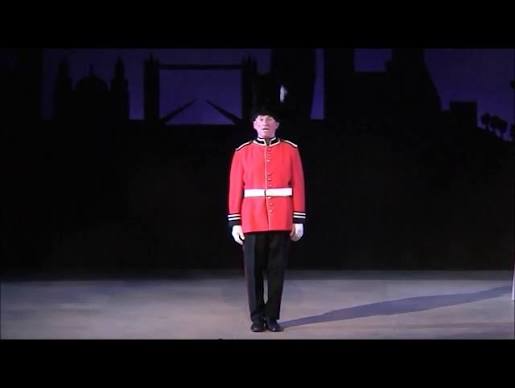
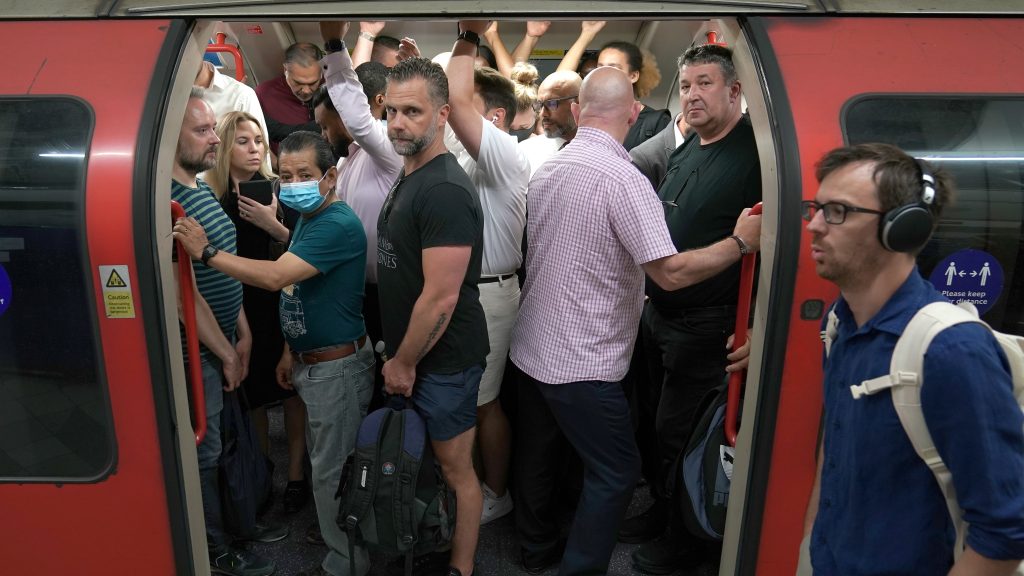
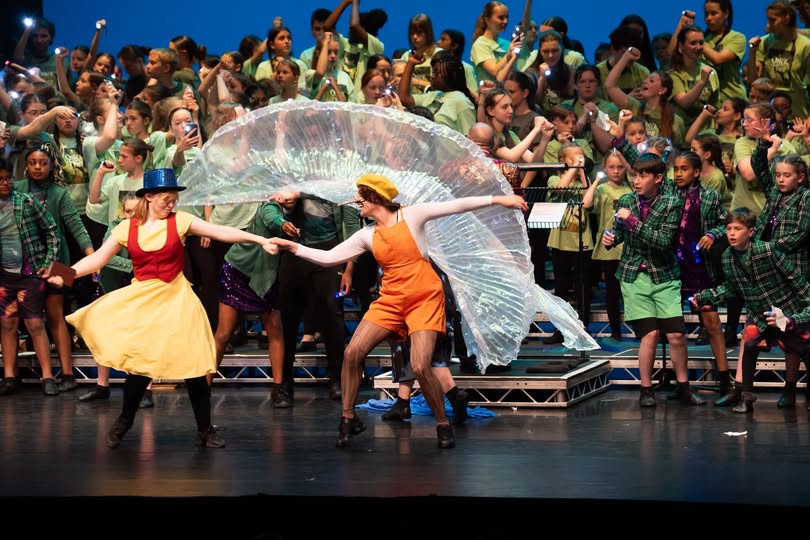
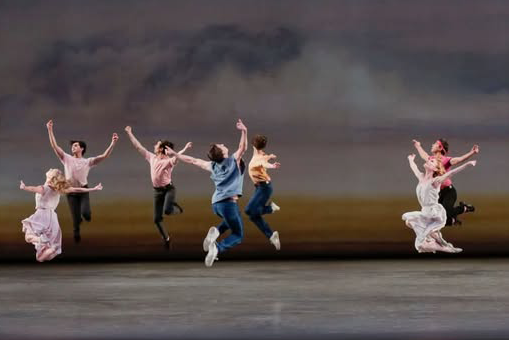
I like this little video. In two minutes, Waltham Forest Theatretrain introduce you to the working style of Rudolph Laban.
Laban escaped Nazi Germany in the 1930s and went to work and study at Darlington College in Devon. He was an expert in human movement and created books and ideas now widely used and developed in performances and education. His ideas were also very practical. For instance in the war many women retrained and worked as Land Girls. Some of them found swinging an axe very painful and it gave them callouses on their hands. Laban found a way to direct their energy more precisely and effectively with the result that they experienced no pain. Later he worked a lot with a stop watch and worked out how to increase workers’ efficiency in their tasks.
The Laban approach has three important aspects of movement; time (fast or slow), space (direct or circular) and weight (strength or lightness). By combining these features you could watch someone and understand their way of moving. By combining time, space and weight you get 8 combinations that he called efforts.
Pressing
Wringing
Floating
Flicking
Thrusting
Slashing
Dabbing
Gliding
All this is fascinating to a dancer or an actor and once understood they are very useful creative tools to get away from your own movement patterns and into someone else’s. What makes it so special for education is that it is easy to follow and you understand it by feeling it.
For instance, if you want to understand “pressing” imagine three people pushing a piano across a room. You’d need strength, directness (there’s no point wasting energy) and slowness (you’d lose control if it was too fast).
On the other hand, for “floating” imagine sea weed swirling in all directions caught by the current of the sea. It’s slow, it’s indirect or curved and it’s light. How does that work with people?
I like to create a scene where you ask a “pressing” police officer to be talking to a “floating” speeding driver. You get interesting results and then you ask the police officer to be floating and the motorist to be pressing. It’s not about being realistic it’s about exploring and appreciating the differences of movement.
This video shows you what it looks like and you can see it in the joy in the faces of the performers. Each “effort” is so different to the others, 4 are light and 4 are heavy, 4 are slow and 4 are fast and 4 are direct while 4 are curved or indirect.
It’s not surprising that these efforts have been taught at some British drama schools since the 1950s and these days there is a wonderful Laban Centre in London where you can study and research Laban to degree level and beyond. What a wonderful technique he gave to the performing arts.