My 7-year-old loves “knock-knock” jokes and the best one goes like this…
Grace: Knock, Knock.
Me: Who’s there?
Grace: Interrupting cow.
Me: Inter…
Grace (Loudly) Moooooooo!
The glee on her face as she interrupts me is a joy to behold.
She also likes
Me: Who’s there?
Me: Banana who?
Grace: Knock, knock.
Me: Who’s there?
Grace: Banana.
Me: Banana who?
Grace: Knock, knock.
Me: Who’s there?
Grace: Banana.
Me: Banana who?
Grace: Knock, knock.
Me: Who’s there?
Grace: Orange.
Me: Orange who?
Grace: Orange you glad I didn’t say banana?
OK maybe after 50 times (or even 5) it loses its lustre but jokes play with our sense of control, logic, playfulness and fun. Even that banana joke keeps to the rules. In clowning there is a rule of three with a gag. She uses “banana” three times – four would be too many and you’d switch off. You might say it’s stretching things anyway but we play along don’t we?
Knock-knock jokes are about audience participation and if you hear a new one you’re intrigued. And it’s fun to play with puns and break the rules. Some people say Shakespeare started it in 1606 in Macbeth with the drunken porter shouting out “Who’s there” to knocking just after King Duncan has been murdered.
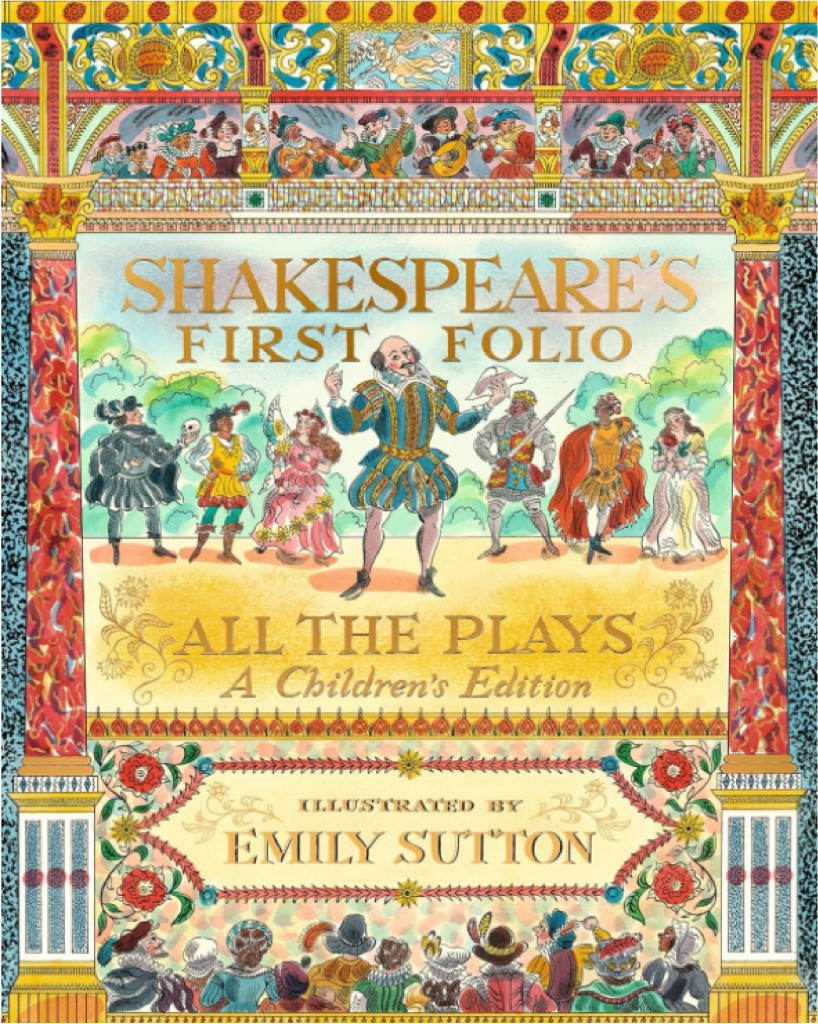
This leads me on to welcome a new version of all 37 of his plays but for children. It coincides with the 400th anniversary of the first folio collection of his plays 400 years ago last week. It’s beautifully illustrated and keeps the language but reduces the plays to 10 pages. What a great idea because those plays are for performing not reading. We might be dipping into that in the future.
So now I’ve given Shakespeare a plug I’ll take my exit. But not before MY favourite knock-knock jokes.
Knock knock.
Who’s there?
Sam and Janet.
Sam and Janet who?
(Singing) Sam and Janet evening. It’s “Some enchanted evening” from South Pacific.
Knock knock.
Who’s there?
M-A-B it’s a big horse.
M-A-B it’s a big horse who?
(Singing) M-A-B it’s a big horse I’m a Londoner, that I love London so.