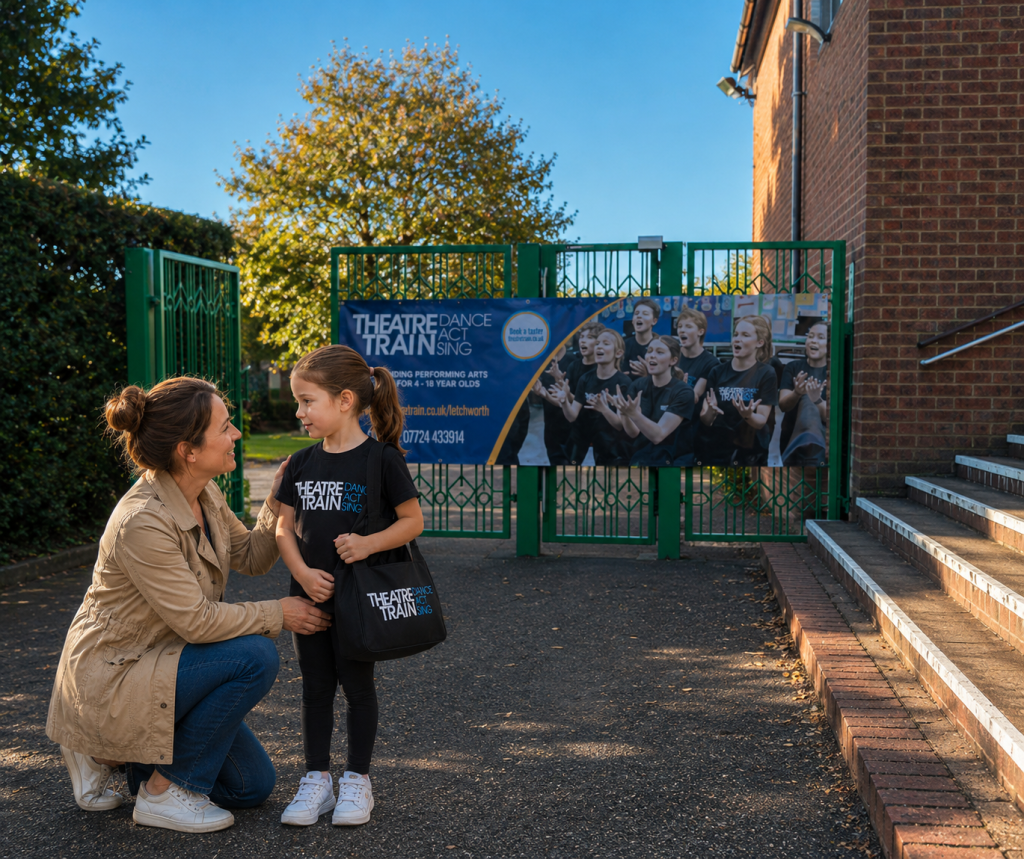
By rotating between these three disciplines, we ensure that students gain the skills and confidence they need to become versatile, dynamic performers.
Here’s how Theatretrain’s class structure works and why it’s so effective:
A Rotational Model: Singing, Dancing, and Acting
Each Theatretrain session is made up of three classes – one in singing, one in dancing, and one in acting. These classes rotate so that every student experiences all three disciplines during each session. This unique model allows students to develop a wide range of performance skills while keeping the lessons engaging and exciting.
By rotating between disciplines, students also have the chance to see how singing, dancing, and acting come together to create a complete performance. This holistic approach helps them understand the importance of each element in the performing arts and how they work in harmony to tell a story.
The Benefits of Rotating Disciplines
Theatretrain’s rotational structure offers several key benefits:
Well-rounded Performers:
- By learning all three disciplines, students become more versatile performers. They aren’t just skilled in one area – they can sing, dance, and act with confidence. This makes them more adaptable in any performance setting, whether they’re starring in a musical, performing a monologue, or dancing in a group routine.
Engaging and Varied:
- The variety of switching between singing, dancing, and acting keeps students engaged throughout the session. Every hour brings a new challenge and a new opportunity to learn. This variety is especially beneficial for younger children, who thrive in dynamic and active learning environments.
Holistic Learning:
- Each discipline supports and enhances the others. Acting helps with emotional expression in singing, dancing improves stage presence and coordination, and singing teaches rhythm and breath control that supports acting. Students begin to see the connections between these skills, making them stronger performers overall.
Age-Appropriate Learning
At Theatretrain, we also recognize that students of different ages have different needs and abilities. That’s why our classes are divided into age groups: Minis (4-5), Group 1 (6-9), Group 2 (9-12), and Group 3 (13-18). This ensures that every student receives the right level of challenge and support based on their age and experience.
For the younger groups, the focus is on building confidence, coordination, and creativity. The structure of the classes is designed to be fun and interactive, with imaginative activities to keep them engaged while they learn the basics of each discipline.
For the older students, the classes become more focused on developing technical skills. They tackle more complex choreography, challenging vocal exercises, and advanced acting techniques. These students are also encouraged to take on leadership roles, such as helping the younger students or taking on lead roles in performances.
A Typical Theatretrain Session
Here’s a breakdown of what a typical Theatretrain session looks like:
Singing:
- The session usually starts with vocal warm-ups to get the students’ voices ready. Then, they move on to learning songs, often focusing on pieces from musical theatre, pop, or film. They’ll work on techniques like pitch, projection, and breathing, but also on connecting emotionally to the music and telling a story through song.
Dancing:
- After singing, students head to their dance class. Here, they work on different dance styles, primarily focusing on musical theatre dance, which combines elements of jazz, contemporary, and ballet. Choreography is an essential part of the class, teaching students how to move in sync with music and with each other but the students also connect with the character and story of the song they are dancing to.
Acting:
- The final class is acting, where students work on developing their characters, using their imagination, and bringing stories to life through performance. Activities range from improvisation and acting games to script work and scene study. Students learn how to project their voices, engage with their fellow actors, and express a wide range of emotions on stage.
Working Toward Performances
Another key aspect of Theatretrain’s structured classes is that they are always working towards a goal: performance. Students don’t just learn skills in isolation – they have regular opportunities to put what they’ve learned into practice through shows and showcases. These performances can range from small, informal presentations to large-scale productions at prestigious venues like the Royal Albert Hall.
By working towards a performance, students learn the importance of commitment, preparation, and teamwork. They also experience the thrill of being on stage, which builds their confidence and gives them a sense of accomplishment.
The Theatretrain Difference
What sets Theatretrain apart is our commitment to providing high-quality training in all three disciplines of performing arts. Our structured classes ensure that every child, no matter their ability level, has the chance to develop their talents in a supportive, inclusive environment.
At Theatretrain, we’re not just teaching students how to perform – we’re helping them grow as individuals, building skills that will benefit them both on and off the stage. With our unique rotational class structure, students leave each session having learned something new, feeling inspired, and ready for the next challenge.