Most of us probably went through a stage of being very self-conscious – most likely in our teenage years. It can be very traumatic to get up and be the centre of everyone’s attention. I suffered this as a 9-year-old. It wouldn’t happen today but every week our teacher would make us one at a time stand on our seats and do mental arithmetic in front of the class. As a result, I hated maths and feared being the centre of attention and no wonder – what a cruel thing to do to anyone – can you imagine how it felt to be wrong?
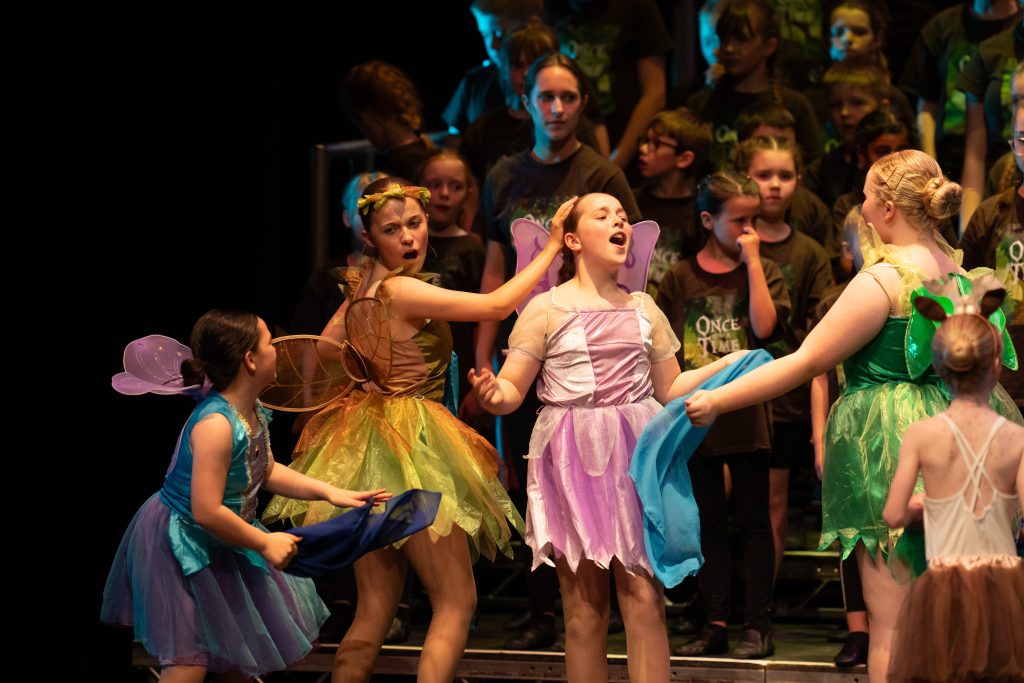
Sometimes at Theatretrain, we meet new students who are very anxious. You can tell by the way they are standing that they are uncomfortable. If they sit down, they are likely to cross their arms and legs – and who can blame them if they feel like running away? Get me outta here! Finding someone kind enough to be a buddy is important. As we all know younger kids are incredible at making quick friendships. If you visit a park, they hang around someone of the same age, exchange a bit of hurried eye contact and before you know it they are running around together as if they have been friends for years.
As we know it’s harder when you’re a teenager – it can feel like you’re under the microscope and you may want the ground beneath you to swallow you up. Understandably most young people fear the side-long looks and rolling eyes of those people who are already established friends. It is hard to join in but not impossible. The trick of course is to emphasize the work, not the person and if they immerse themself in it their anxieties fall away and suddenly, they are singing, acting or dancing along with everyone else.
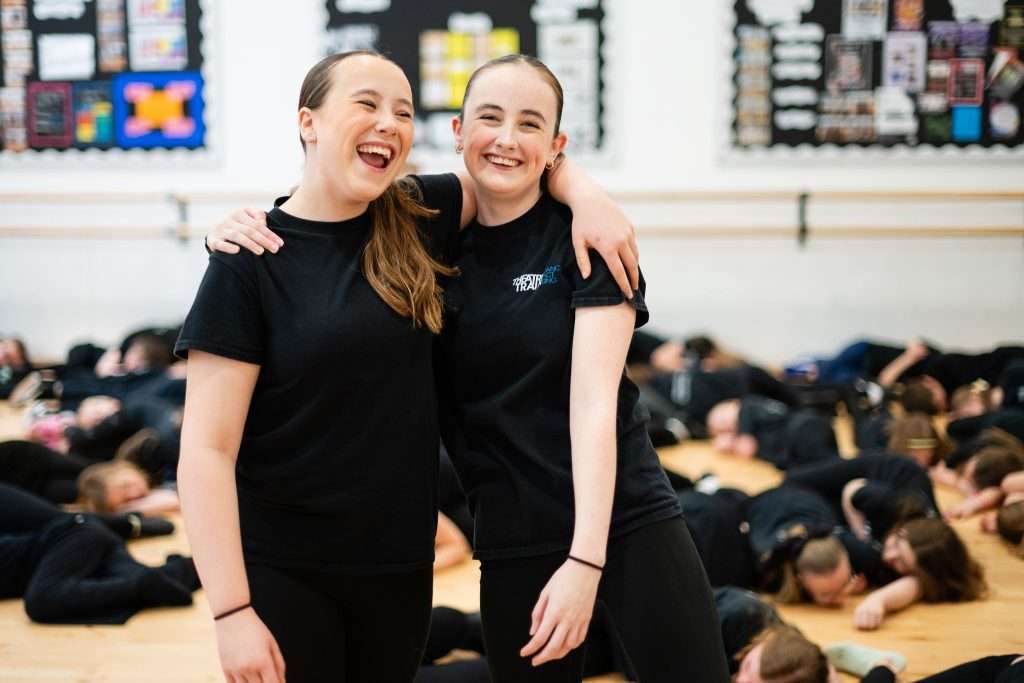
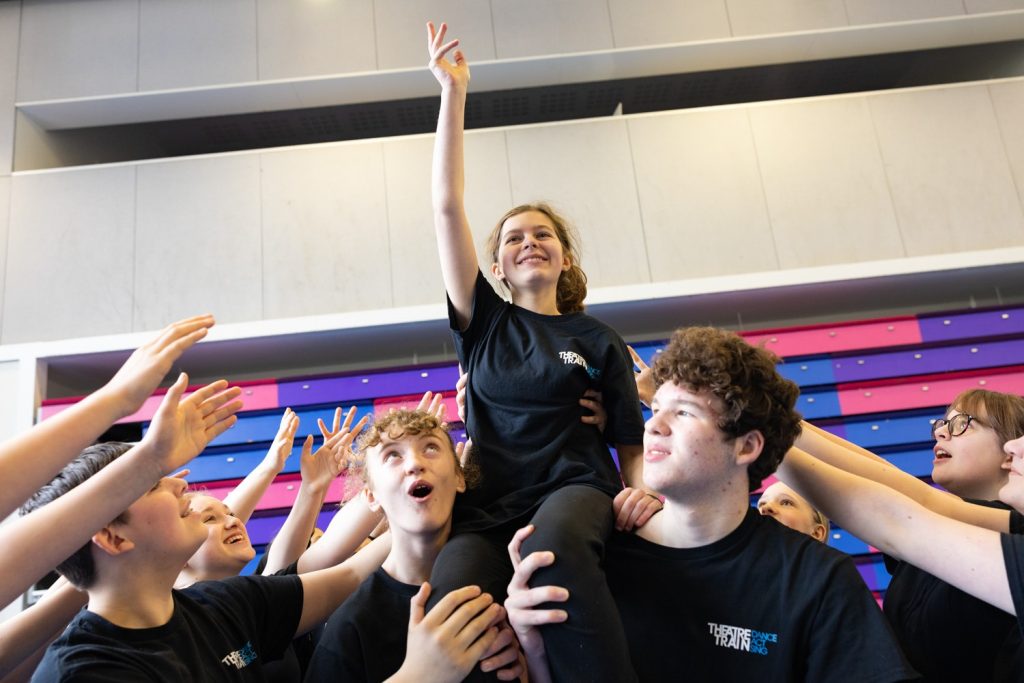
I love to see the change in young people who start alone feeling fearful but gradually over the weeks transform into a more confident person not afraid to go for it and who eventually begin to offer up ideas and opinions of their own.
I often think the students who make the journey from shyness to confidence have an extra arrow in their armoury because they remember how it felt. They are more sensitive underneath and consequently more empathetic with other people – especially the imaginary people they become. I think it was true in my case – when I began teaching, I knew I never wanted anyone to feel what I felt all those years before, standing on my chair. So in a way, I have to thank that unkind teacher because without knowing it he set me on a journey.