September 16, 2024

A Plea for the Future of our Young People

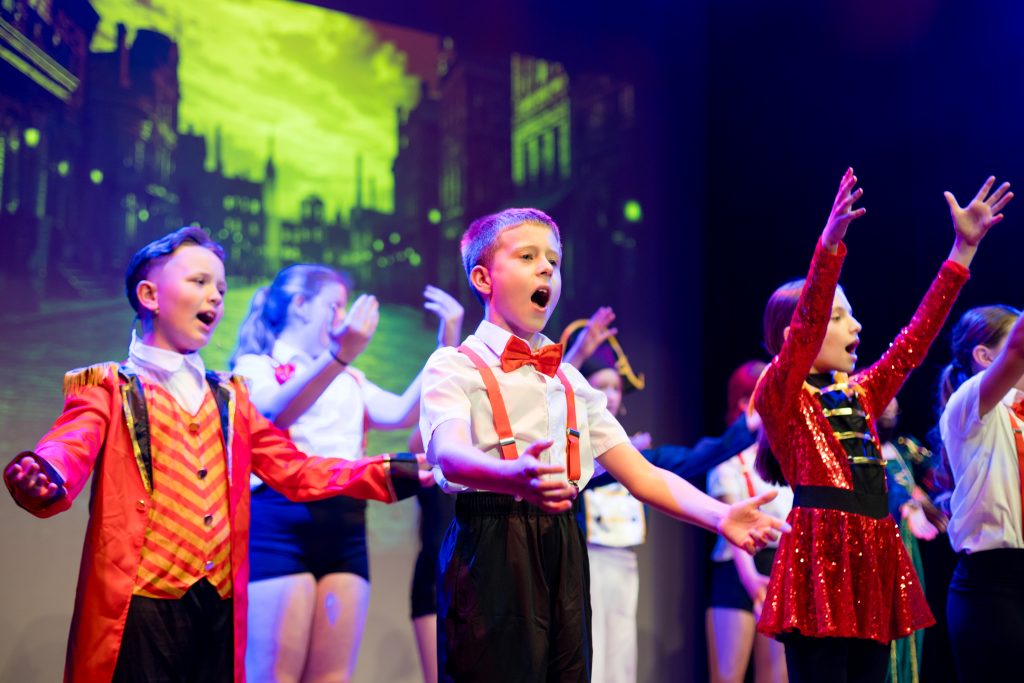
In today's world, young people face numerous challenges, from puberty and peer pressure to the impact of Covid and the rising cost of living. Theatretrain Artistic Director Kevin Dowsett highlights how the performing arts can offer vital support to young people, helping them build confidence, express emotions, and develop resilience. With anxiety at an all-time high, this blog explores how theatre can positively impact mental health and well-being.

It’s hard growing up as a young person these days. Apart from puberty, added self-consciousness, and peer group pressure this generation has also had to endure Covid, increasing wars around the war, and big increases to the costs of living – the list is endless. Young people don’t have any choice but to be resilient so it’s hardly surprising that mental health issues are front and centre at the moment and the number one issue by far is anxiety. So, here’s a list of ways in which performing arts training can help.

Building Confidence. Being in front of others builds self-confidence. They become more comfortable being seen and heard, which can translate to everyday situations.

Expressing Emotions. It’s a safe outlet for expressing emotions at one stage removed and they can explore and release pent-up feelings – even by talking about them.

Focus. Intense concentration and being in the moment help young people develop mindfulness, reducing thoughts about past or future worries.

Sociability. Participating involves teamwork and collaboration, which help young people form supportive relationships which in turn give a sense of belonging and reduce isolation.

Resilience. They cope with mistakes and challenges and learn to handle constructive criticism while dealing with fears.

Problem Solving. They think outside the box and approach problems from different angles helping them develop flexible thinking skills.

Physical Activity. The work involves movement, which releases endorphins and improves physical well-being.

Role-Playing. Improvising allows young people to try out different roles and perspectives. This helps them understand and manage their own emotions better and develop empathy.

Routine. Regular rehearsals, performances, and classes create a structured routine, which offers stability and predictability. This is comforting and it reduces uncertainty.

Achievement and Recognition. Succeeding in the performing arts in class or performance provides a sense of accomplishment, and validation and boosts self-esteem.

If you work in the performing arts, you’ve always known these things.

What I don’t understand is why cuts are so often made to young people’s activities when in front of us we have a wonderful opportunity to develop their lives and tackle anxiety through the power of theatre.

Believe me, I’ve written to the government. There are millions of young people out there who could benefit.


Theatretrain, a nationwide provider of weekend theatre schools for young people aged 4-18, specialises in weekly classes in acting, singing, and dancing. An emphasis is placed on learning valuable life skills such as confidence, empathy, courage, and resilience. If you know a child who loves to dance, act and sing or could do with a little confidence boost why not visit to find out what our performing arts classes can offer your child at one of our 80 locations across the UK.

Related Articles

The Part I Didn’t Want

Not every performer gets the part they dreamed of, but does that mean their contribution matters any less? This week, Theatretrain Artistic Director Kevin Dowsett explores the disappointment of missing out on a leading role, the importance of teamwork and why even the smallest part can make a lasting impact. A thoughtful reminder that great performances aren't built on stars alone, but on everyone working together.
Read more >

Change of Scene

A house move can be exhausting, surprising and full of unexpected endings and beginnings. In this week’s blog, Kevin reflects on the memories we carry with us, the things we leave behind, and a small act of kindness from his childhood that has stayed with him for years. He also considers how those quiet moments of change can transform a character on stage.
Read more >

Musicals and Young People

Musical theatre brings acting, singing and dancing together to create the excitement of a live show. But the fun isn’t just about the biggest roles or the most lines. It’s about becoming a character, daring to be bold and discovering how every performer helps bring the story to life.
Read more >

The Strange Thing About Hands

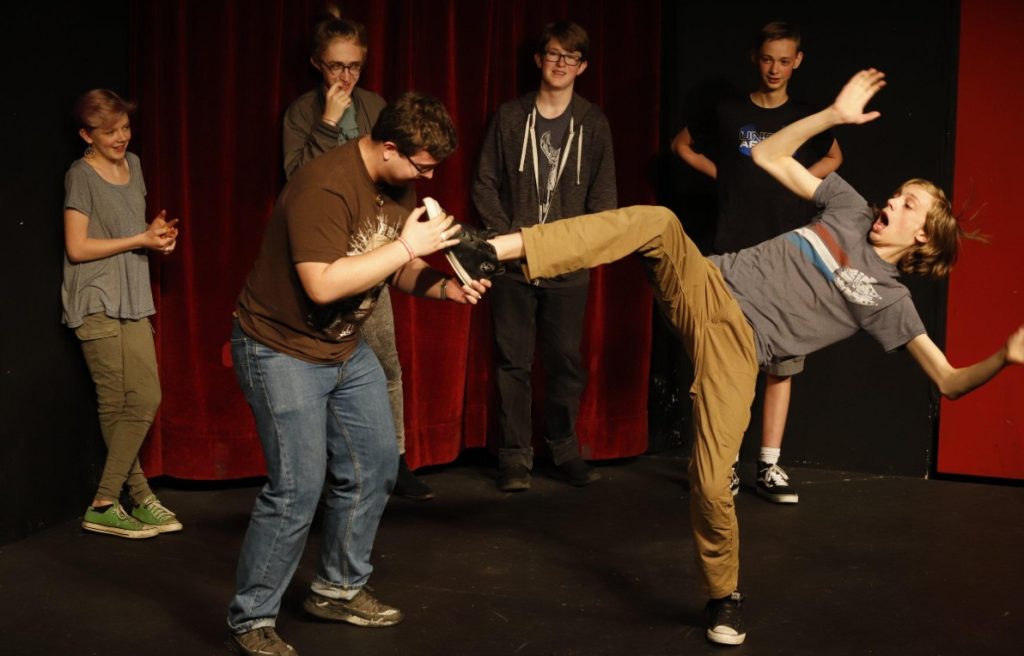
What do you do with your hands when you're standing in front of an audience? It's a surprisingly common question, particularly among young performers! In his latest blog, Theatretrain Artistic Director Kevin Dowsett explores why something as natural as using our hands can suddenly feel so awkward when we're performing. Through a wonderfully entertaining drama exercise, Kevin demonstrates how laughter, imagination and a little loss of control can help young people overcome self-consciousness and discover the freedom to perform naturally.
Read more >

The Lost Art of Looking Up

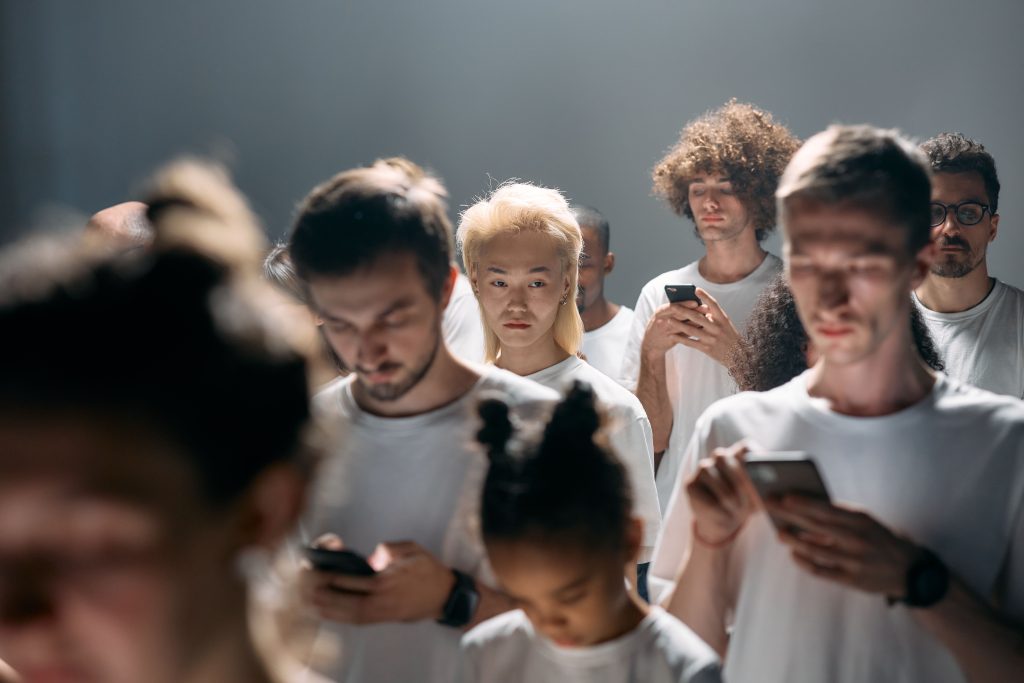
When was the last time you stopped looking at a screen and really noticed the world around you? In his latest blog, Theatretrain Artistic Director Kevin Dowsett reflects on how technology has changed the way we connect with others. From a frustrating encounter at a hospital reception desk to the simple pleasure of walking through a forest, Kevin explores why looking up, paying attention and being truly present are so important, particularly for young performers.
Read more >

It’s About Other People

What happens when we make mistakes, lose confidence or feel we've let others down? In his latest blog, Theatretrain Artistic Director Kevin Dowsett explores the extraordinary strength of belonging to a supportive group. Drawing on a memorable mishap from his own performing career, Kevin explains why kindness, empathy and standing together matter far more than getting everything right.
Read more >