Last term I watched a child make a mistake.
Looking at their face, you would have thought it was the worst thing that had ever happened.
It made me think about something I’ve noticed over the years.
Young children often make mistakes without thinking too much about them.
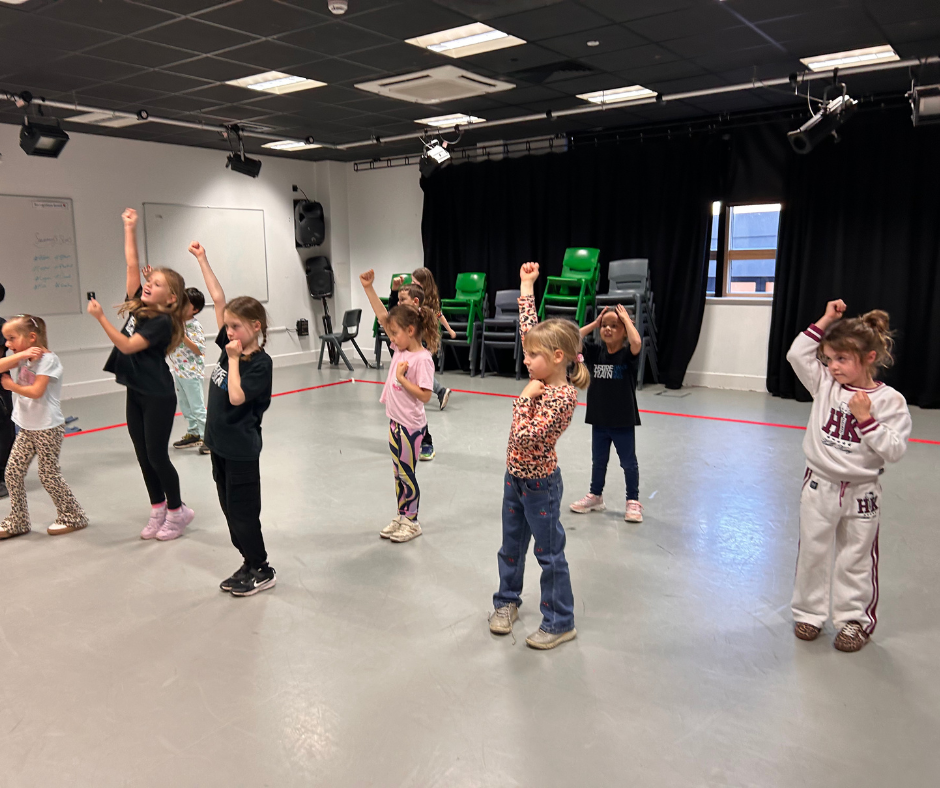
They sing the wrong words.
Turn the wrong way.
Forget what comes next.
Then they laugh and carry on.
As children get older, something changes.
Many become much more aware of getting things wrong.
Sometimes so aware that they stop themselves from trying in the first place.
One phrase we use a lot
At Theatretrain, there’s a phrase you’ll hear quite often:
“Loud and proud. Strong and wrong.”
It usually gets a smile.
But there’s an important idea behind it.
When you’re learning something new, it’s far better to have a proper go and get it wrong than stay quiet because you’re frightened of making a mistake.
Why?
Because teachers can help children improve what they can see.
If a child sings confidently but misses a note, we can help.
If they perform a dance move with enthusiasm but go the wrong way, we can help.
But if they’re too worried to really try, it’s much harder to support them.
Progress doesn't come from perfection
One thing I’ve learnt over the years is that the children who improve most aren’t usually the ones who never make mistakes.
They’re the ones who keep having another go.
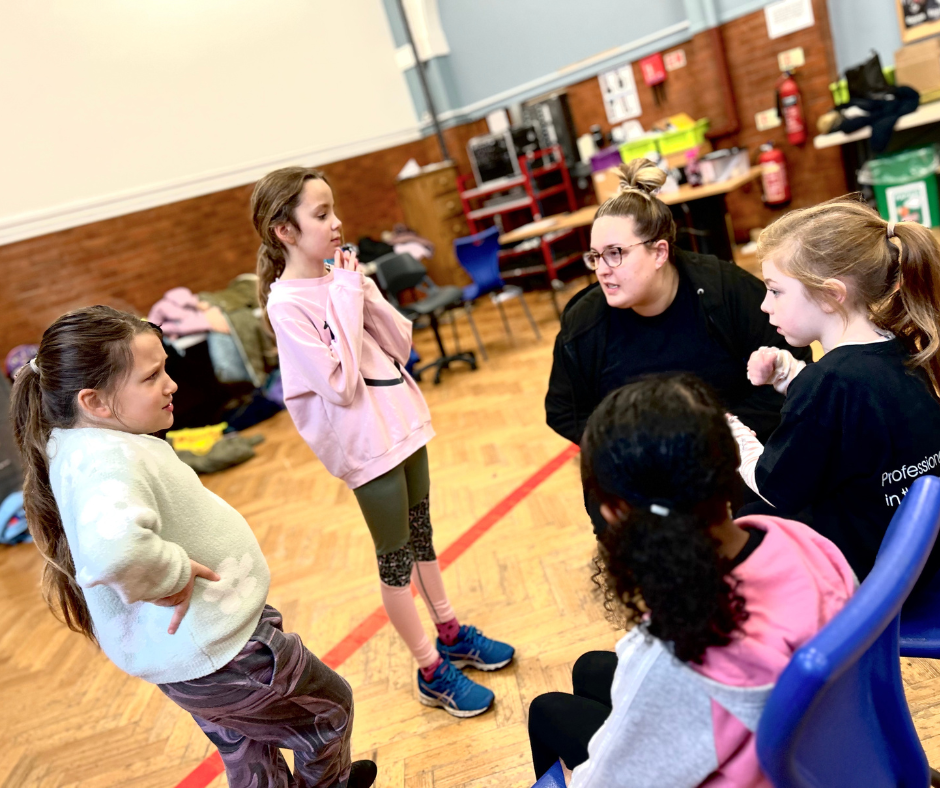
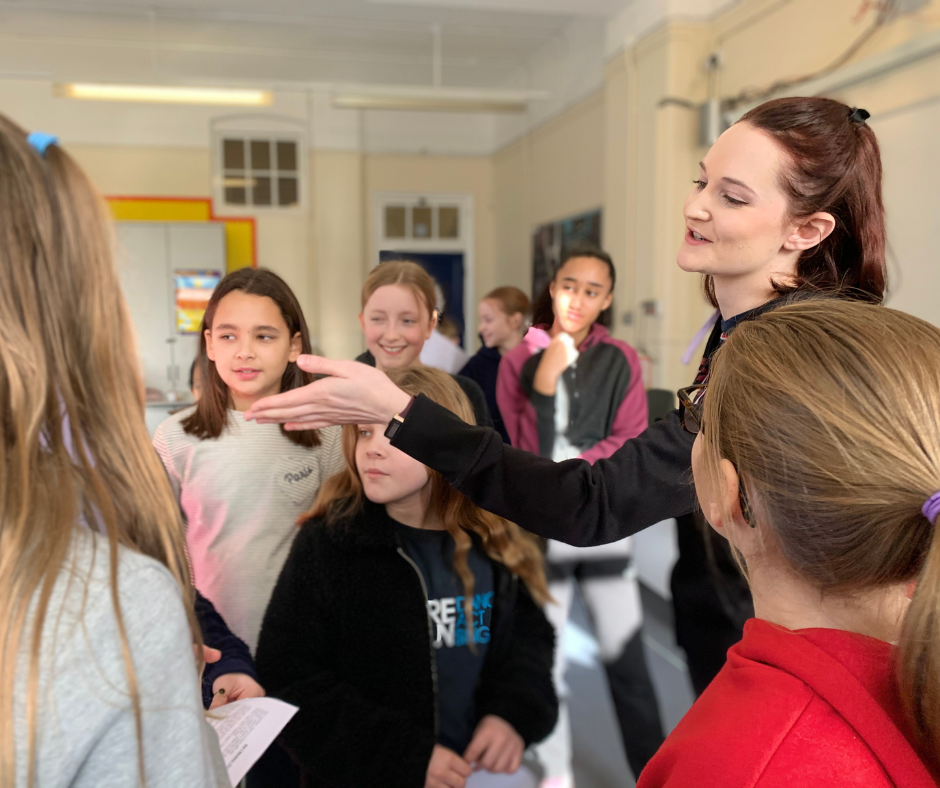
They’re willing to make a mistake, listen, adjust and try again.
Little by little, that’s how confidence grows.
How to help your child cope with mistakes at home
As a parent myself, I know how tempting it is to jump in straight away.
“Don’t worry.”
“It’s okay.”
“Everyone makes mistakes.”
Sometimes those words are exactly what’s needed.
But I’ve also found it helps to notice something else.
The effort.
Instead of saying:
“Well done, you got it right.”
You could try:
- “I liked how you kept going.”
- “You didn’t give up.”
- “That took courage.”
- “I could see you were trying.”
Those comments tell children that their effort matters, not just the result.
Why this matters
Children who become comfortable making mistakes often become more willing to try new things.
They answer questions.
Volunteer.
Join in.
Not because they suddenly stop making mistakes.
But because they realise mistakes aren’t something to be feared.
They’re simply part of learning.
The thing I've learnt
Confidence doesn’t grow because children get everything right.
It grows because they discover they’ll be okay when they get something wrong.
Sometimes the bravest thing a child can do isn’t performing perfectly.
It’s simply being willing to have a go.