When we are very young, we live in proximity to our parents and stay mainly in the house, apart from those days when we get pushed to the shops or the park. As we grow up, we gradually increase our boundaries. We learn to walk, run and move. A big change is the day we start at play school, and we are in the company of other people. We move without our parents.
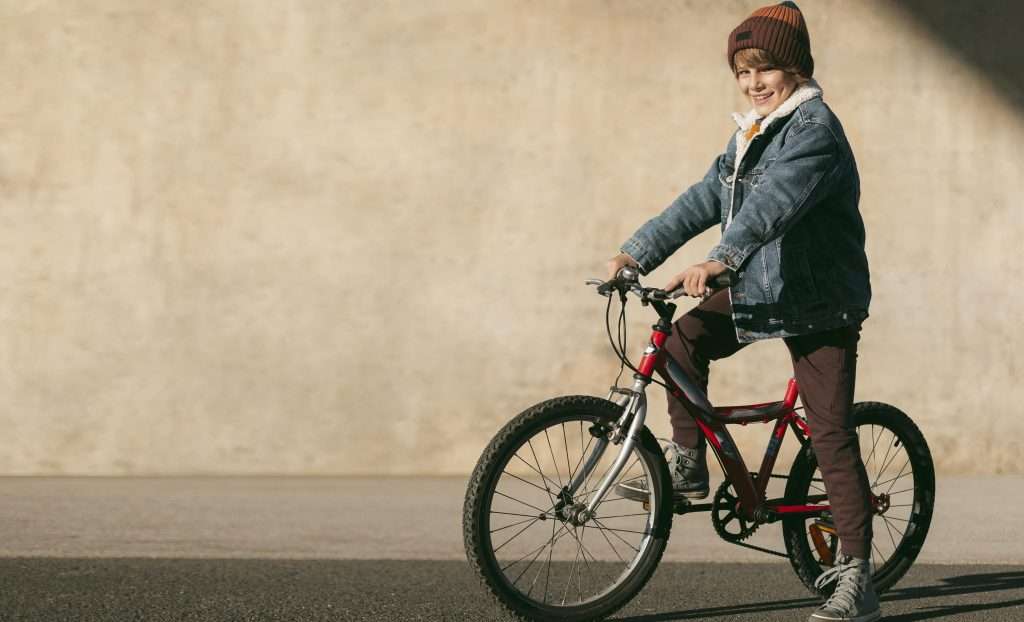
I think a big moment happens when we get a bike. We find we can increase our horizons even more. Perhaps we are allowed to ride to the far end of the park. Then one day, we make it alone to the corner shop and explore a few roads away. I remember feeling proud of myself coming back with something from the shops. Maybe it has changed a bit now, but when I was young, this journeying out increased my confidence in venturing to new places and understanding how the roads fitted together. Oh, I see if I go down here, it comes out there – and then I know how to get home. You build a map.
In some ways, life is a continuation of this process – our view expands, we go to big school, go on a school trip, eventually even drive a car on our own – such freedom and joy, and responsibility. One day, most people leave home and move elsewhere, maybe get married and eventually have children of their own.
I’m struck by the fact that as we get older, the same process happens in reverse. Inevitably, we slow down. The journeys become smaller. Perhaps we are not as mobile. We might visit the corner shop, but eventually we reduce our horizons until we are back in one place, possibly not going out. Then one day we are reduced to visits to the bathroom, the kitchen, the living room and the bedroom.
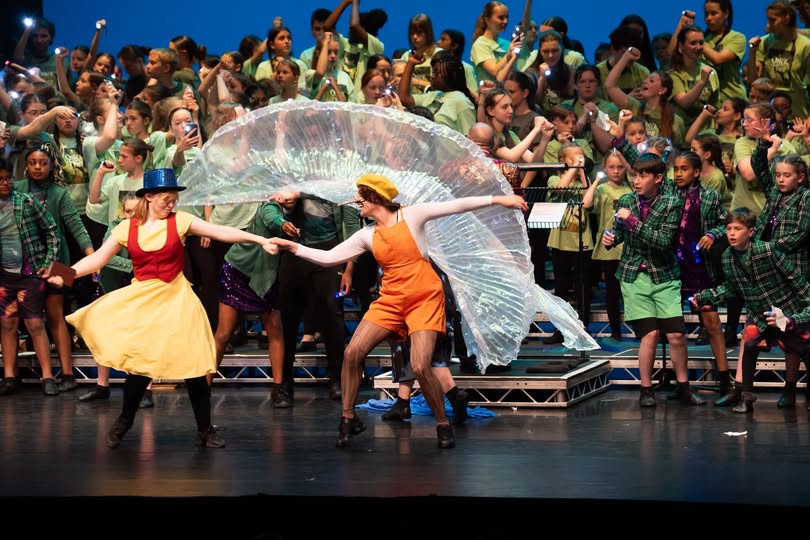
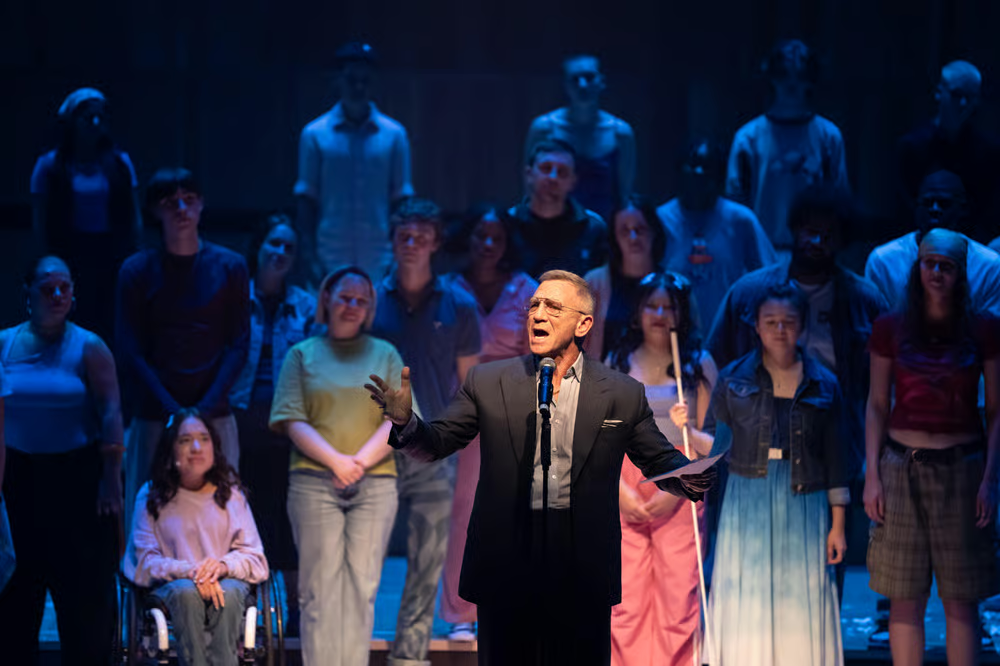
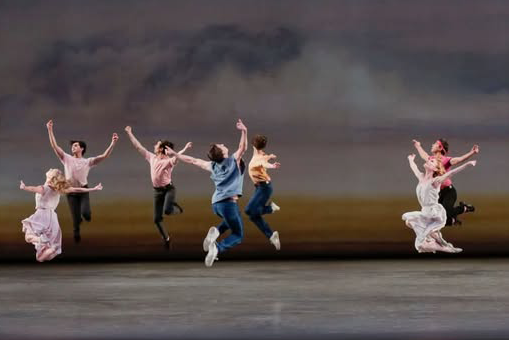
My point is that our space and how we operate in it are important at any stage of our lives. In Theatretrain, we make sense of this space between us. The stage is a mini world, and closeness or separation of people is important on stage. The audience reads what they see, and the performer needs to understand how space opens up or closes down in a story – and in their lives.