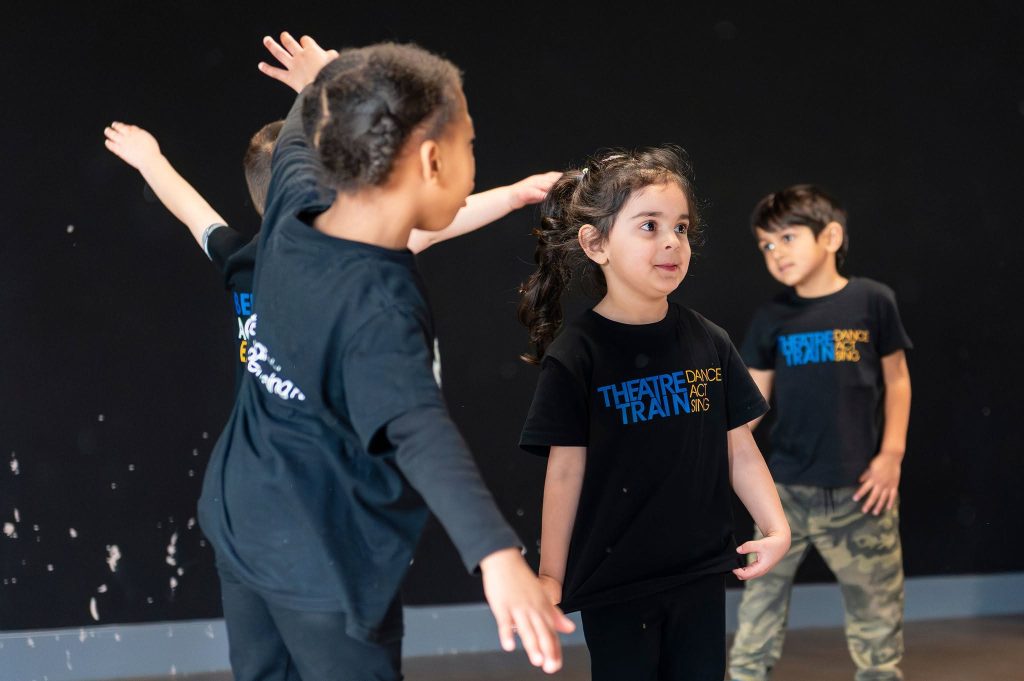
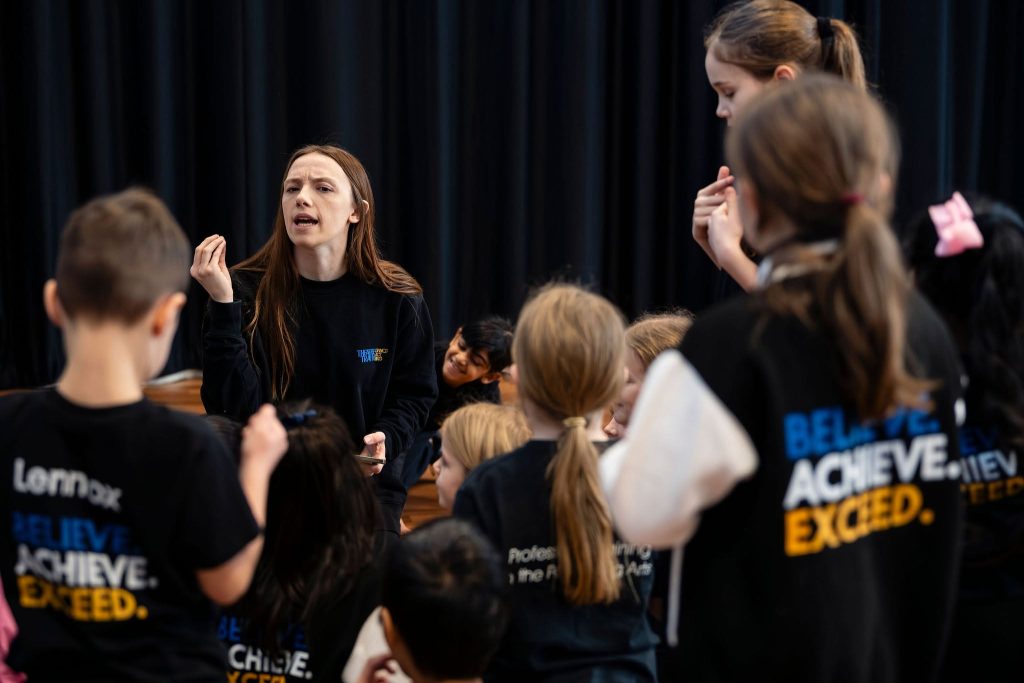
For many parents, this is the real question sitting underneath everything else.
It’s not usually about whether their child will enjoy singing, dancing or acting.
It’s the thought of them walking into a room where everyone else already seems to know each other… and wondering where they fit.
Especially if your child is:
a little quieter
new to this kind of activity
or someone who takes their time to settle
That concern makes complete sense.
What “feeling left out” actually looks like
Children don’t tend to say, “I feel left out.”
They might hover slightly at the edge of the group at the start.
They might watch rather than join in straight away.
They might come out of the session and not say very much at all.
That doesn’t mean they haven’t enjoyed it.
It usually means they’re still working something out in their own time.
“Is this a place where I belong?”
Until that question feels answered, most children stay in that in-between space, not unhappy, but not fully comfortable yet either.
Why the first few minutes matter so much
In any children’s class, the beginning of the session sets the tone far more than people realise.
Those first moments are when a child is quietly taking everything in.
Who speaks to them.
Where they stand.
Whether they feel noticed.
Whether they know what’s going on.
If that part feels uncertain, it can take longer for them to settle.
But when a class is structured in a way that brings everyone together at the start (so no one feels like they’re joining something already in progress) it creates a shared starting point. And that makes a real difference.
What helps children settle more easily
If you’re choosing any activity for your child, there are a few things that tend to make this transition smoother.
A proper welcome helps. Not just a quick “come in”, but being acknowledged, shown where to go, and introduced so they don’t feel like they have to figure everything out on their own.
Who they’re next to matters too. Being alongside someone kind and inclusive can completely change how those first sessions feel. It gives them someone to quietly check in with, copy, or talk to when they’re ready.
It also helps when the group doesn’t stay fixed. When children work with different partners and small groups over time, it naturally opens up more opportunities for connection without anything feeling forced.
And perhaps most importantly, they need time.
Some children walk in and are immediately comfortable. Others take a few weeks to warm up, to observe, to feel safe enough to join in fully.
Both are completely normal.
What progress actually looks like
Progress shows up in small, easy-to-miss ways.
They might begin to recognise a few names.
They might mention someone they stood next to.
They might walk in a little more confidently than the week before.
They might start to join in without needing to watch first.
Those are the moments that tell you they’re settling.
And once they feel that sense of familiarity, everything else (confidence, participation, enjoyment) tends to build from there.
When it’s worth checking in
Most children just need a little time and the right environment.
But as a parent, you know your child best.
If after a few weeks they still seem very withdrawn, or they’re reluctant to go back, it’s absolutely okay to ask questions.
A good class should be able to tell you:
how they’re helping your child integrate
what they’ve noticed about them
what they’re doing to support them
That conversation alone often gives a lot of reassurance.
A helpful way to approach the decision
If you’re unsure whether your child will feel comfortable, you don’t have to decide based on a description.
The most useful thing you can do is treat the first session as a chance to observe.
Notice how your child is welcomed.
Notice whether they’re guided or left to work things out alone.
Notice how they seem afterwards, not just what they say, but how they feel.
That will give you a much clearer sense of whether it’s the right environment for them.
One final thought
Confidence in children rarely appears before they try something new.
More often, it grows afterwards. Once they’ve had the chance to feel safe, included, and part of something.
And what can look like shyness at the beginning is often just a child taking the time they need to find their place.
Find out more about our
amazing performing arts classes here
Theatretrain Hitchin
Saturdays
Hitchin Girls School
9.30am-12.30pm
Theatretrain Letchworth
Saturdays
St Christopher’s School
9am-12pm
Theatretrain Stevenage
Saturdays
Marriotts School
1.30pm-4.30pm