It’s a conversation most parents have had at some point.
“How was it?”
“I don’t know.”
“What did you do?”
“Nothing.”
As a parent myself, I completely understand the frustration.
When I pick my own son up, I want to hear everything.
Who did you play with?
What made you laugh?
What did you learn?
But over the years, I’ve realised something.
Sometimes we’re asking before children have had a chance to process their day themselves.
A busy day isn’t just physically tiring
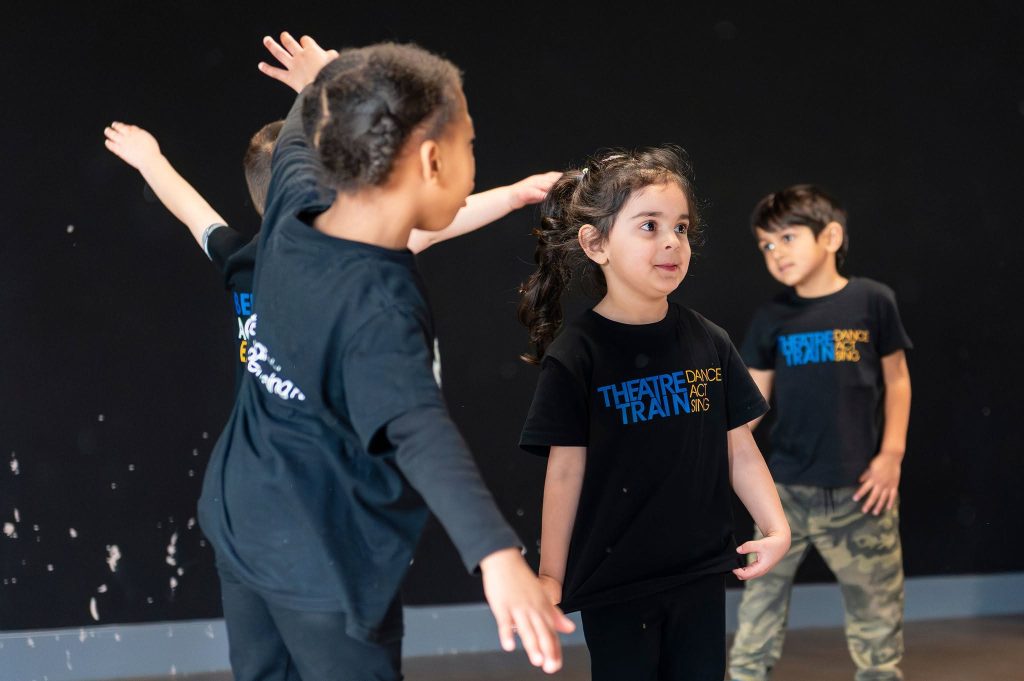
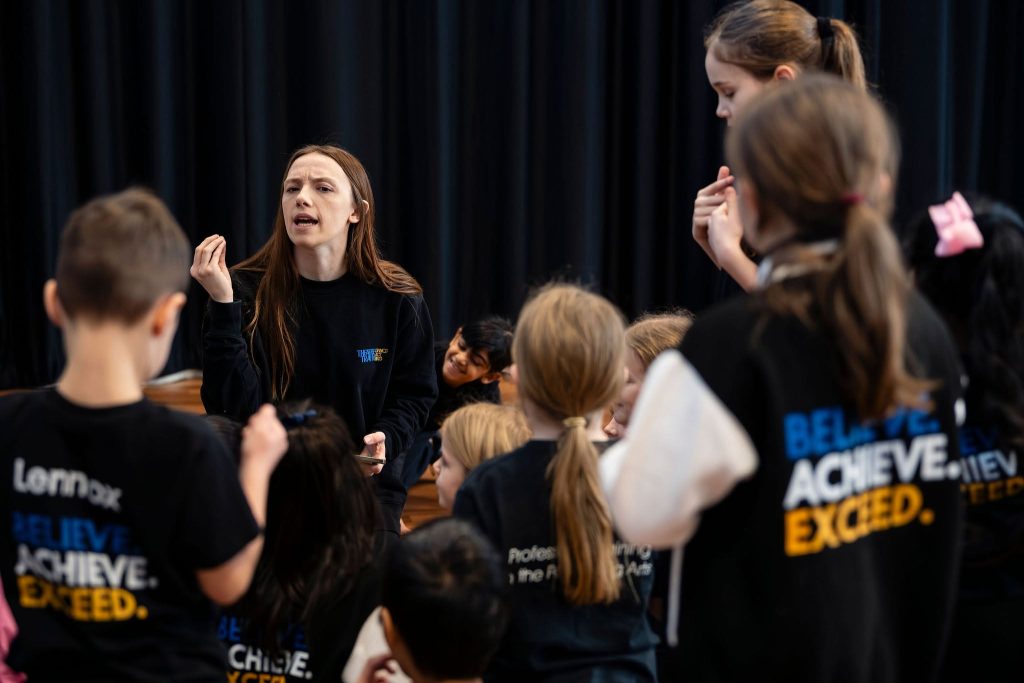
Whether it’s school, a birthday party, a football match or a Theatretrain session, children spend hours taking in information.
They’re listening.
Learning.
Making decisions.
Meeting new people.
Working with friends.
Trying new things.
By the time they get back to the car, they’ve often had a socially and emotionally busy day.
Some children are ready to talk about it immediately.
Others aren’t.
Quiet doesn’t mean they didn’t enjoy it
This is the part that’s easy to misunderstand.
Parents sometimes hear “I don’t know” and wonder if their child enjoyed themselves.
In my experience, those two things aren’t connected.
Some of the children who have had the biggest smiles during a session are the very same children who tell their parents they did “nothing” on the way home.
Not because they didn’t enjoy it.
Simply because they’re still processing everything that’s happened.
The conversations often come later
One of the things I’ve noticed is that children often tell you about their day when you least expect it.
It might be:
- over a snack in the car
- while you’re making dinner
- at bedtime
- or completely out of the blue the next morning
By then, they’ve had time to make sense of everything.
The words come much more easily.
What seems to help
Every child is different, but I’ve found that giving them a little breathing space often works much better than asking lots of questions straight away.
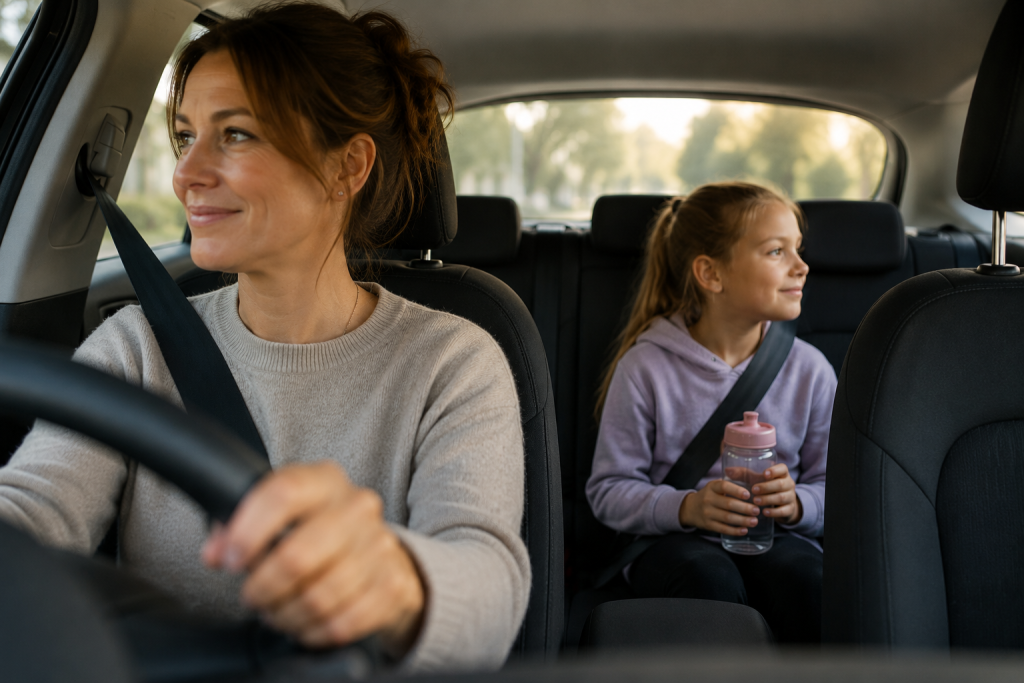
Sometimes a quiet journey home, a favourite snack or simply sitting together without expecting an immediate answer is enough.
Then, when they’re ready, the stories begin to appear naturally.
Try asking different questions
Instead of asking:
“What did you do?”
You could try:
- What made you smile today?
- Who did you spend time with?
- What was the funniest thing that happened?
- Was there anything that surprised you?
Sometimes smaller questions feel much easier to answer.
So… should you worry?
Usually, no.
Children don’t all process experiences in the same way.
Some talk while they’re still living the moment.
Others need time to replay it in their minds before they’re ready to share it.
I’ve learnt that “I don’t know” often doesn’t mean they have nothing to say.
It usually means they’re still working it out.
And more often than not, the conversation comes later.