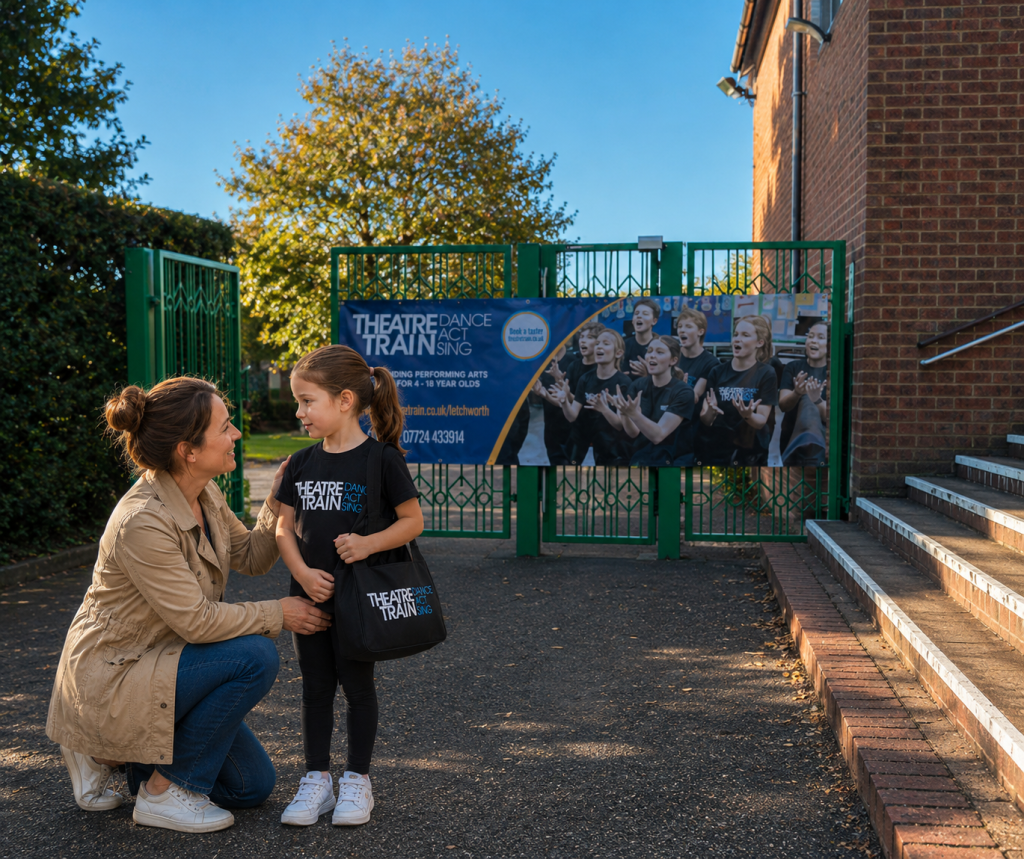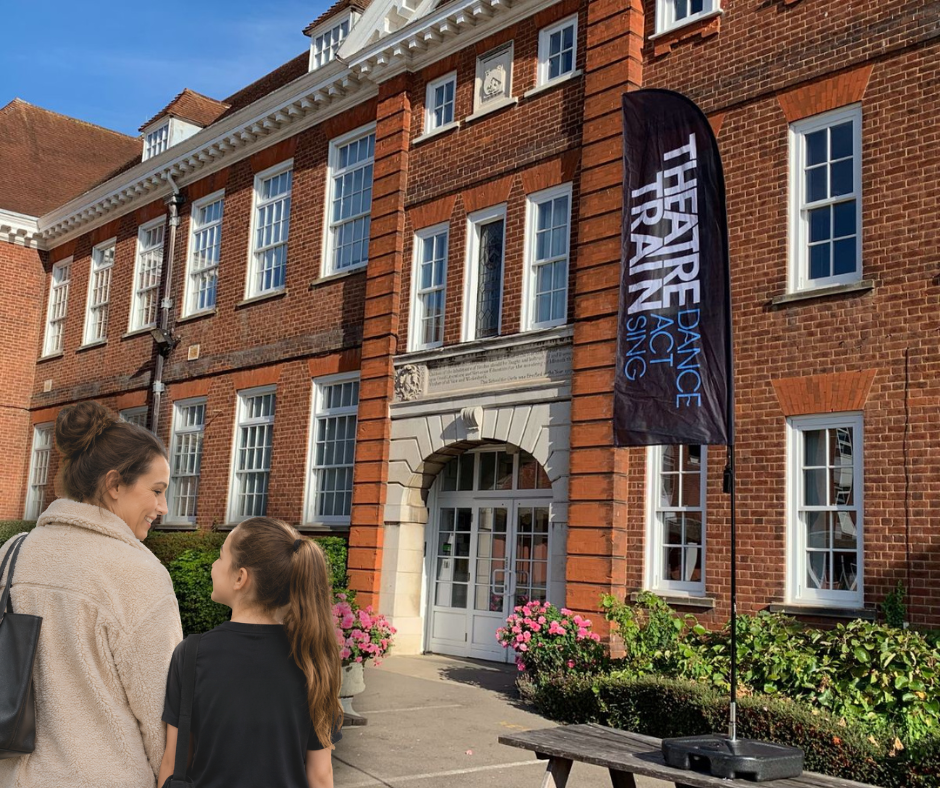
When parents first get in touch about Theatretrain, they’re usually focused on one thing:
How will my child feel walking through the door?
Will they enjoy it?
Will they settle?
Will they join in?
Those are completely understandable questions.
But once a child has been to a few sessions, the things parents notice often go beyond what happens in the studio.
They start to see small changes elsewhere too. Sometimes quietly. Sometimes unexpectedly.
Confidence Shows Up in Everyday Moments
Parents often tell me they didn’t notice a dramatic transformation overnight.
Instead, they notice small things.
A child putting their hand up at school when they wouldn’t have before.
Answering a question without looking down at the floor.
Ordering their own food at a restaurant.
Joining a conversation rather than waiting to be asked.
These moments might seem ordinary, but they’re often the first signs that a child is becoming more comfortable expressing themselves.
A Sense of Belonging Develops Over Time
One of the things I hear most often from parents isn’t about performing at all.
It’s about friendships.
Children begin to recognise familiar faces each week.
They start talking about classmates by name.
They feel more comfortable within their group.
They know what to expect when they arrive.
For children who are naturally quieter or take a little longer to settle, that familiarity can make a huge difference.
I’ve lost count of the number of times parents have told me that Theatretrain became the place where their child felt they truly belonged.
Communication Grows Naturally
Because Theatretrain includes drama, dance and singing, children spend a lot of time communicating.
Not just with teachers, but with each other.
Parents often notice:
- Their child speaking more clearly
- Sharing ideas more confidently
- Listening more carefully
- Becoming more aware of other people’s feelings and opinions
The interesting thing is that this rarely happens because children are being pushed to speak.
It happens because they’re regularly taking part in activities where communication becomes a natural part of the experience.
Children Begin to Take Small Risks
One thing I’ve noticed over the years is that confidence often grows through lots of small moments.
A child who watched during their first session joins in a game.
A child who normally stays quiet volunteers an idea.
A child who was nervous about performing agrees to have a small speaking line.
These might not seem like huge achievements to an adult.
But for that child, they can be significant steps forward.
And those small moments often lead to bigger ones later on.
Theatretrain Becomes Part of Their Week
This is usually the stage where parents start smiling when they talk about Theatretrain.
Children begin asking how many sleeps there are until Saturday.
They sing songs from class in the car.
They talk about teachers and friends at home.
They recreate drama games with their brothers and sisters.
They start seeing Theatretrain as part of their routine rather than something new they’re still figuring out.
For many families, that’s when they know they’ve found something that fits.
Why Parents Say the Taster Helped Them Decide
One thing I’ve noticed is that parents often arrive looking for certainty.
They want to know before booking whether their child will enjoy it.
Whether they’ll settle.
Whether it’ll be right for them.
The reality is that most of those questions are answered far more clearly by experiencing a session than by reading about one.
Many parents tell me that the taster gave them the clarity they were looking for.
Not because everything was perfect from the first minute.
But because they could see:
- How their child was supported
- How the teachers interacted with them
- How the group worked together
- How their child felt afterwards
And often, that tells them everything they need to know.
A Thoughtful Way to Explore What Feels Right
If you’re wondering whether Theatretrain would suit your child, a taster session is simply a chance to explore that in a real setting.
Not through guesswork.
Not through assumptions.
But by seeing how your child responds for themselves.
And if you’re still weighing things up, that’s completely fine.
These decisions matter.
Because ultimately, you’re not just choosing an activity.
You’re looking for somewhere your child can feel comfortable, capable and excited to come back each week.