When parents tell me they want their child to be more confident, they’re usually imagining a child who puts their hand up in class, speaks clearly and happily tries new things.
The interesting thing is that confidence rarely starts there.
Over the years, I’ve noticed that confidence often looks much smaller at the beginning.
It’s the child who joins in for five minutes when last week they watched from the side.
It’s the child who answers a question out loud instead of nodding.
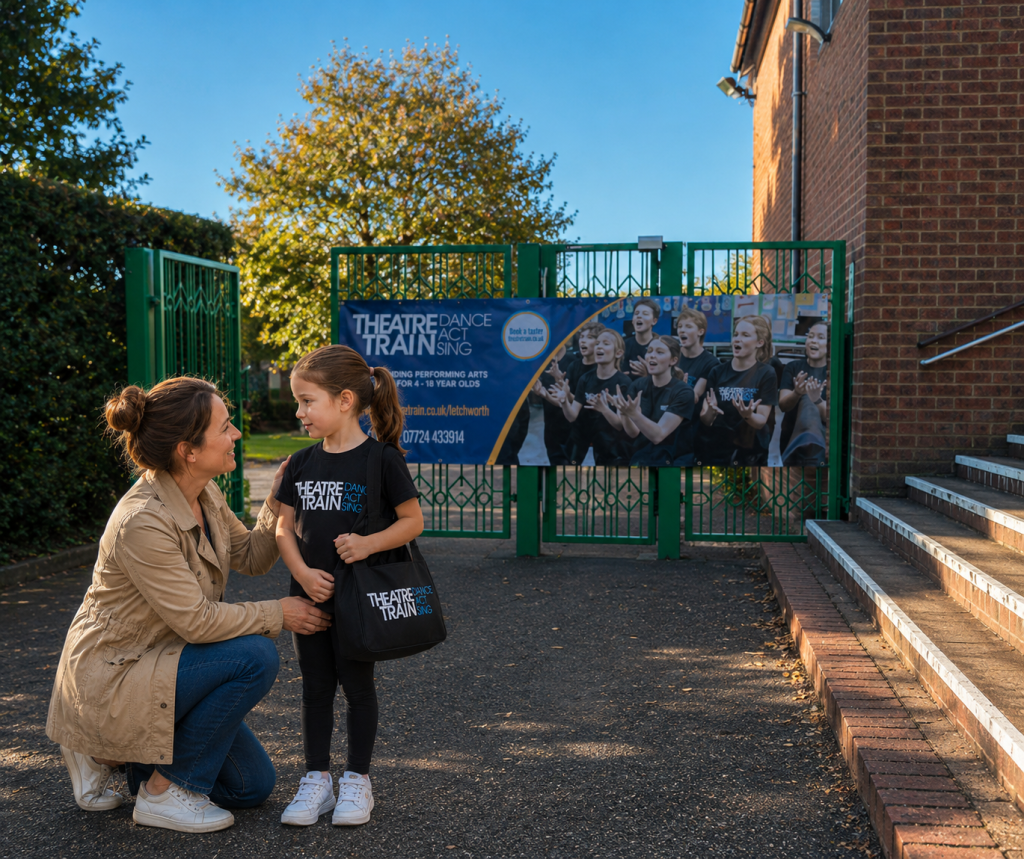
It’s the child who walks into class without needing Mum or Dad to come with them.
Those small moments are often the first signs that confidence is growing.
Confidence Doesn't Appear Overnight
One of the biggest misconceptions about confidence is that some children simply have it and others don’t.
What I see every week suggests something different.
Confidence is usually built through experience.
Children try something.
They discover they can do it.
Then they become willing to try something slightly bigger.
And so the cycle continues.
A child might start by joining in one drama exercise.
A few weeks later they’re volunteering an idea.
Months later they’re performing in front of an audience.
The confidence didn’t suddenly arrive. It was built one step at a time.
Children Often Borrow Confidence Before They Build It
One thing I’ve noticed over the years is that children often borrow confidence from the people around them.
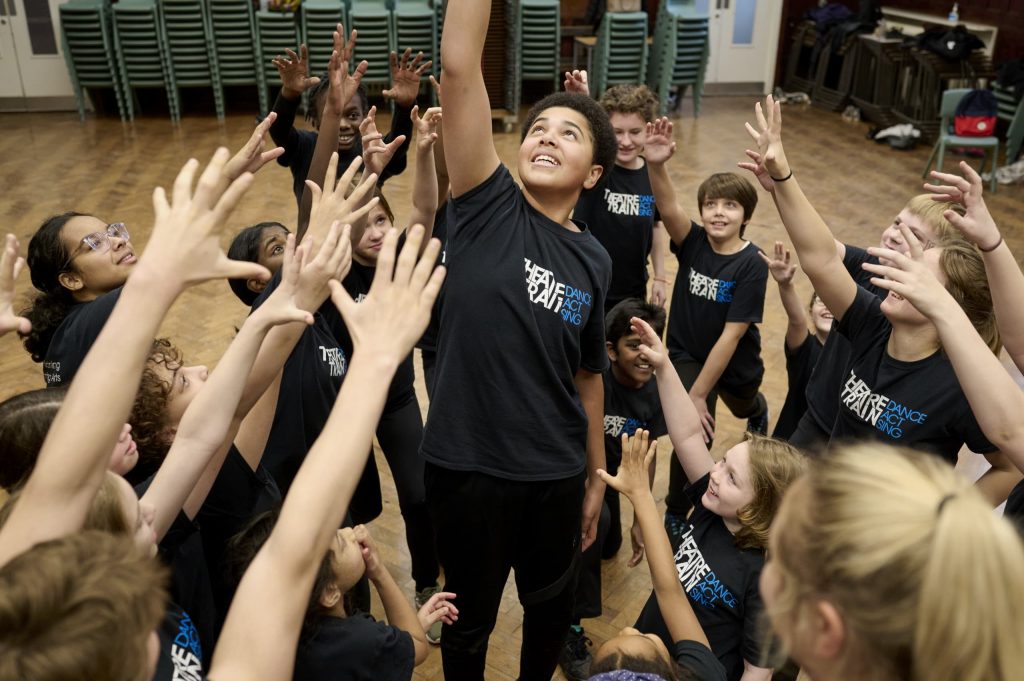
A nervous child will stand next to a friend during an exercise.
A quieter child will join in because everyone else is joining in.
A new student will follow the lead of a Welcome Ambassador.
At first, they’re relying on the confidence of the group.
Gradually, they realise they’re capable of doing it themselves.
Before long, they’re the ones helping somebody else feel comfortable.
Confidence and Success Go Hand in Hand
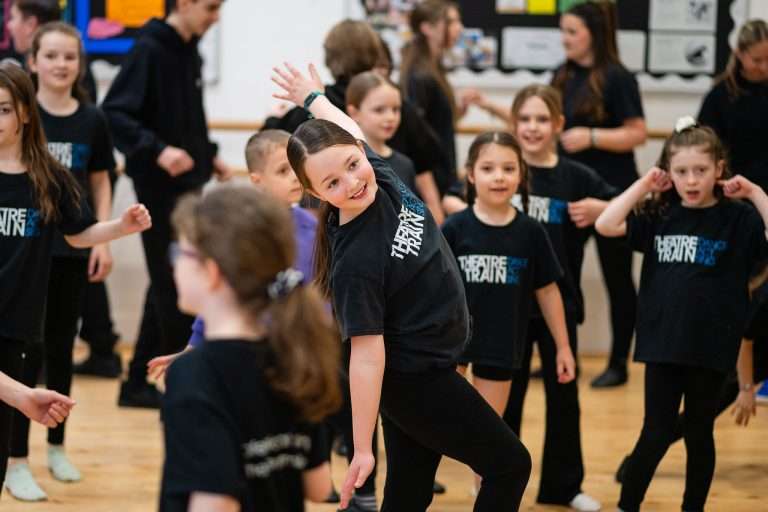
Children become more confident when they experience success.
Not necessarily big successes.
Small ones.
Remembering a line they thought they’d forget.
Learning a dance routine they found difficult.
Speaking loudly enough for the whole room to hear.
Every time they achieve something they weren’t sure they could do, they collect a little more evidence that they’re capable.
That evidence matters.
Because confidence isn’t really about believing you can do everything.
It’s about believing you can have a go, even when you’re not completely sure.
Confidence Doesn't Mean Never Feeling Nervous
This is something I think children need to learn.
And adults too.
The most confident performers I know still get nervous.
They still feel butterflies before a show.
They still care about getting things right.
The difference is that they’ve learned those feelings don’t have to stop them.
They know they can feel nervous and do it anyway.
That’s a lesson that reaches far beyond performing arts.
What Parents Often Notice First
When parents talk to me about confidence, they often expect the changes to show up on stage.
Sometimes they do.
But more often, the first signs appear elsewhere.
A child introduces themselves to someone new.
They order their own food.
They answer a question without looking at the floor.
They put their hand up in class.
They become a little more willing to try.
Those are usually the moments parents mention first.
And those are often the moments that matter most.
Confidence Is Built One Saturday at a Time
Every week at Theatretrain Hitchin, Letchworth and Stevenage, children sing, dance and act.
Along the way, they’re also learning that they can try new things, make mistakes, keep going and succeed.
That’s how confidence grows.
Not all at once.
One rehearsal.
One conversation.
One small achievement at a time.
See It for Yourself
If you’d like to see what Theatretrain is like, we offer paid taster sessions throughout the term.
It’s an opportunity for your child to join a class, meet the teachers and experience a Saturday morning at Theatretrain for themselves.
You can find out more about our centres in Hitchin, Letchworth and Stevenage and book a taster session when you’re ready.