It’s usually one of the first questions parents ask.
Sometimes out loud.
Sometimes just to themselves.
“Three hours… is that a bit much?”
And on paper, I understand why it sounds like it might be.
Three hours of anything for a child can feel like a long time.
But what that time actually looks like—and how it feels to a child—is very different from what most people imagine.
It’s not 3 hours of the same thing
This is usually where the misunderstanding starts.
Children aren’t doing one activity for three hours straight.
They rotate between:
- drama
- singing
- dance
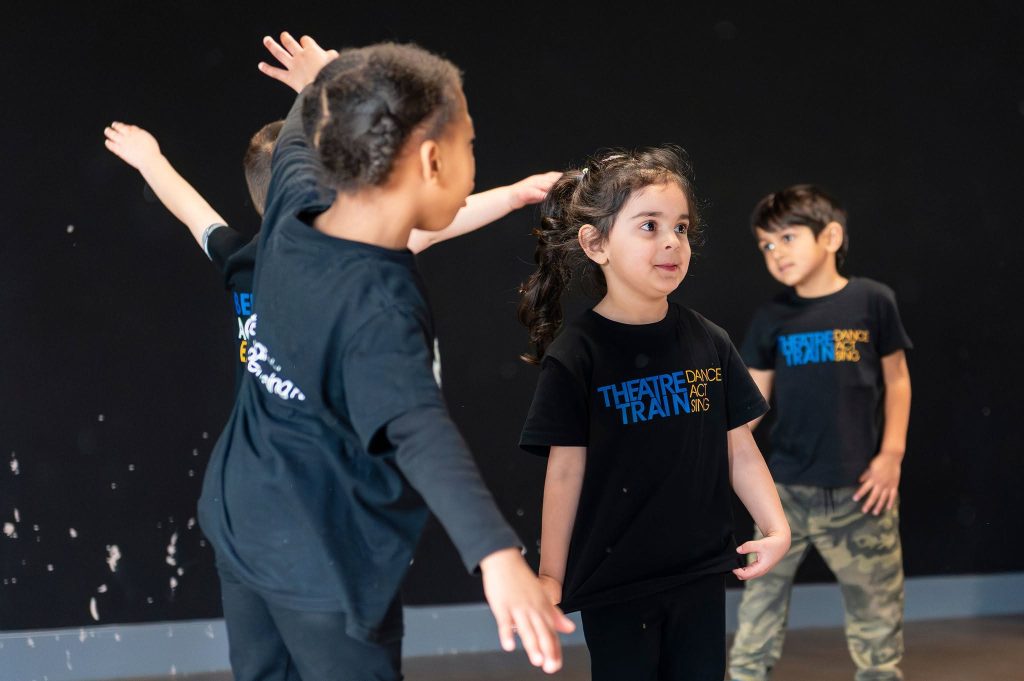
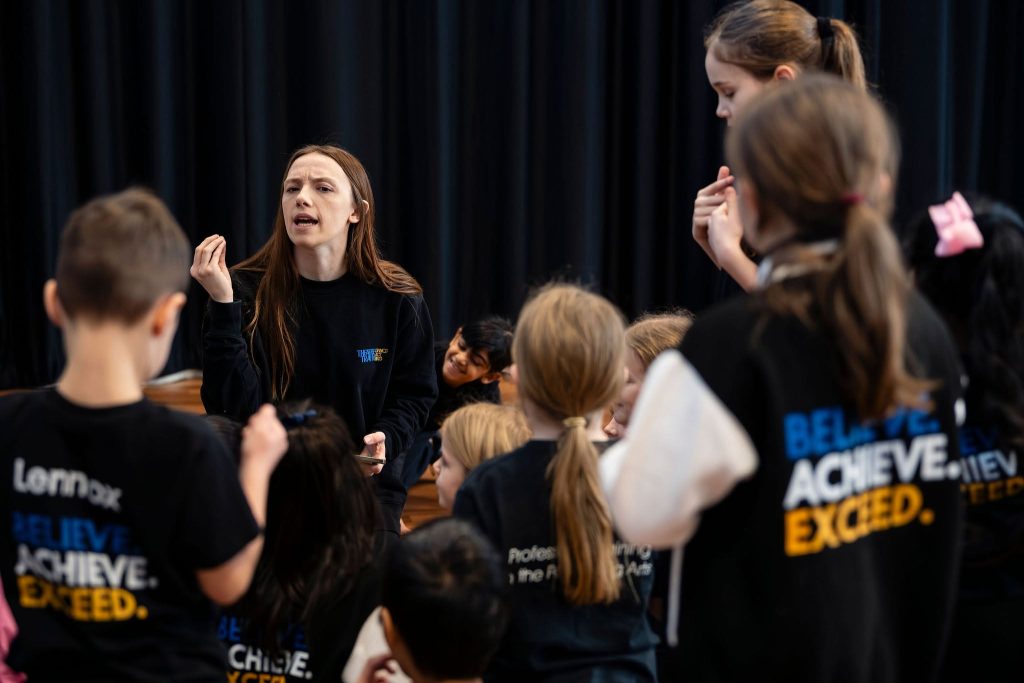
Each session is around an hour, with different teachers, different energy, and a completely different focus.
So rather than one long stretch…
It feels more like three separate experiences in one morning.
The energy changes constantly
If you picture children sitting still, concentrating hard for hours…
that’s not what happens.
One minute they’re moving.
The next they’re working in small groups.
Then they’re laughing at something in a scene.
Then focusing again.
There’s a natural rhythm to it.
Energy up. Energy down.
Focus. Release. Reset.
That’s what keeps them engaged.
Children settle into it faster than you’d expect
Something we notice quite often…
Children who might struggle to focus in other settings
don’t seem to have the same problem here.
Not because they’re suddenly “better behaved”
But because:
- they’re actively involved
- they’re part of a group
- they know what’s coming next
There’s structure to the session, even if it doesn’t feel rigid.
And children respond really well to that.
It becomes “their Saturday”
After a few weeks, something shifts.
It’s no longer:
“Three hours of a class”
It’s just:
“What I do on a Saturday”
They know the routine.
They recognise the people.
They feel comfortable in the space.
And the time doesn’t feel long to them anymore.
What parents often notice
Parents often say:
“They came out full of energy”
“They didn’t stop talking on the way home”
“They were already asking about next week”
And occasionally:
“They were completely exhausted afterwards”
But in a good way.
And yes… there are children who find it a lot at first
That’s worth saying honestly.
For some children, especially in the beginning:
- it can feel like a big step
- they might need a bit of time to adjust
- they might not engage fully straight away
That’s completely normal.
They’re not expected to get it all at once.
So… is it too long?
For most children, no.
Because it’s not really about the length.
It’s about:
- variety
- structure
- feeling part of something
That’s what holds their attention.
Find out more about our
amazing performing arts classes here
Theatretrain Hitchin
Saturdays
Hitchin Girls School
9.30am-12.30pm
Theatretrain Letchworth
Saturdays
St Christopher’s School
9am-12pm
Theatretrain Stevenage
Saturdays
Marriotts School
1.30pm-4.30pm