When you think of performing arts, you might picture a dazzling show, dramatic scenes, or captivating music.
But did you know that acting, singing, and dancing aren’t just hobbies? They’re powerful tools that can give children a significant edge in their academic life.
From improving focus to enhancing memory and sharpening problem-solving skills, here’s how performing arts can help your child thrive in school.
1. Acting: The Focus Booster
In a world full of distractions, focus is one of the most valuable skills a child can have. Acting hones this skill like no other.
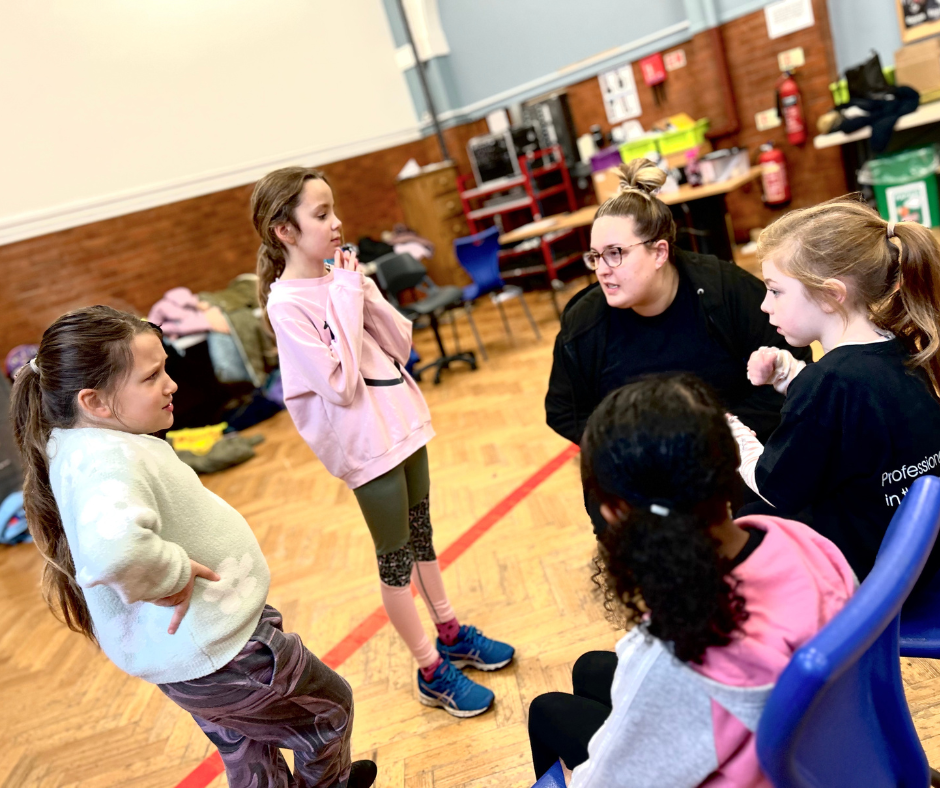
When kids step into a role, they must concentrate on their lines, movements, and cues while staying present in the moment. It’s not just about remembering their words – it’s about fully immersing themselves in a character’s emotions and intentions. This level of focus translates beautifully to the classroom.
Whether they’re solving maths problems or listening to a teacher’s instructions, children who act regularly are more adept at staying engaged and attentive. Acting also encourages active listening – a critical skill for group work and class discussions.
2. Singing: A Memory Marvel
Have you ever noticed how quickly kids can learn the lyrics to their favorite songs? Singing taps into the brain’s natural capacity for memory.
When children learn songs, they’re engaging multiple parts of their brain simultaneously. The melody acts as a framework, helping them retain information more effectively. This is why so many educators use songs to teach concepts like the alphabet or times tables.
At Theatretrain, singing goes beyond melodies – it’s about understanding lyrics, storytelling, and emotional connection. These skills strengthen memory retention and comprehension, making it easier for kids to remember and understand academic material.
3. Dancing: Problem-Solving in Motion
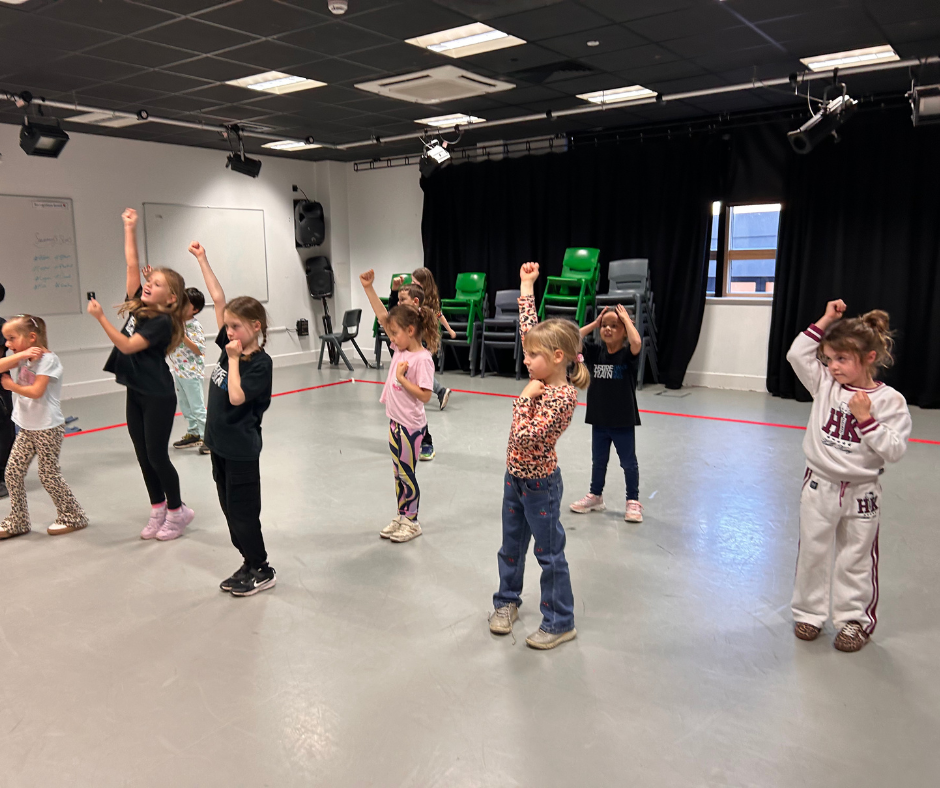
Dance is more than just a creative outlet – it’s a masterclass in problem-solving.
Every dance routine requires kids to think critically about movement, timing, and space. They must work out how to move their bodies in coordination with others, navigate the stage, and stay in sync with the music.
This ability to break down complex movements into manageable steps is directly applicable to subjects like science and maths. For example, understanding angles in geometry or sequencing in algorithms mirrors the thought process behind choreographing a dance.
Dancing also builds resilience. Mistakes happen, and kids learn to adapt, experiment, and improve—skills that are invaluable for tackling academic challenges.
The Emotional Connection: Building Confidence and Resilience
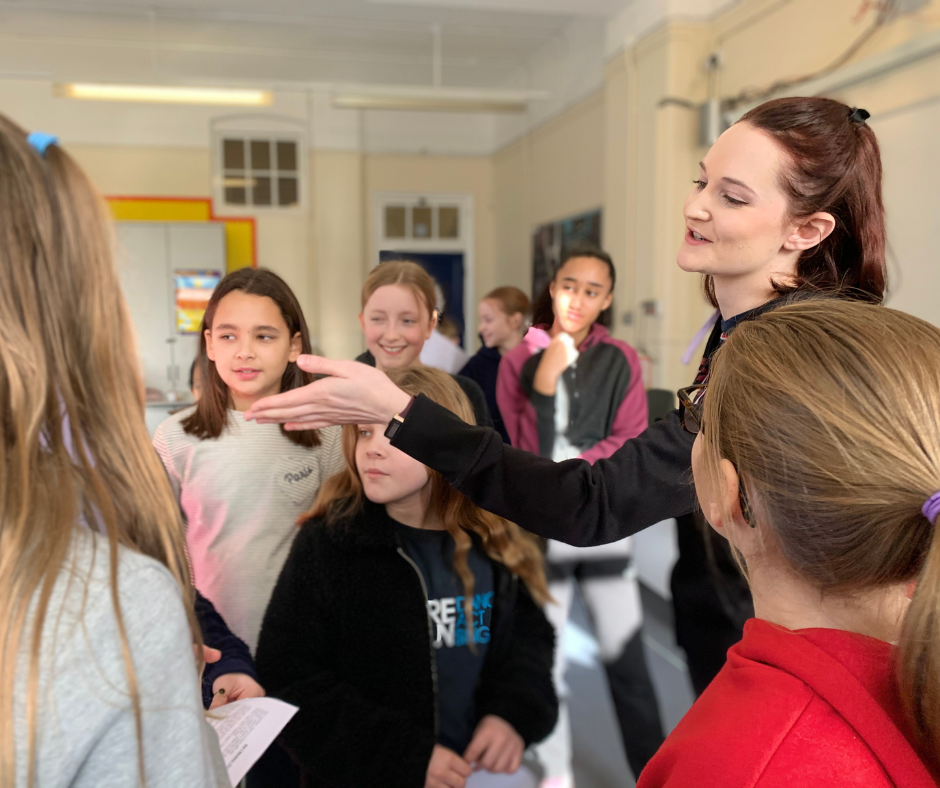
Beyond focus, memory, and problem-solving, performing arts provide a safe space for children to express themselves, face their fears, and build confidence. Standing on a stage – whether singing a solo, acting in a scene, or performing a dance – teaches kids to handle pressure and believe in their abilities.
This newfound self-assurance spills over into the classroom. A confident child is more likely to speak up, ask questions, and embrace new challenges.
Why Performing Arts is a Win-Win for Kids
When your child participates in acting, singing, or dancing, they’re not just having fun – they’re laying the foundation for lifelong success. The skills they develop at Theatretrain will help them excel not only in school but in every area of their lives.
So, the next time your child rehearses their lines, belts out a tune, or practices their dance moves, know this: they’re learning focus, memory, and problem-solving skills that will set them up for a bright future. And they’re doing it all while having the time of their lives.
Find out more about our
amazing performing arts classes here
Theatretrain Hitchin
Saturdays
Hitchin Girls School
9.30am-12.30pm
Theatretrain Letchworth
Saturdays
St Christopher’s School
9am-12pm
Theatretrain Stevenage
Saturdays
Marriotts School
1.30pm-4.30pm