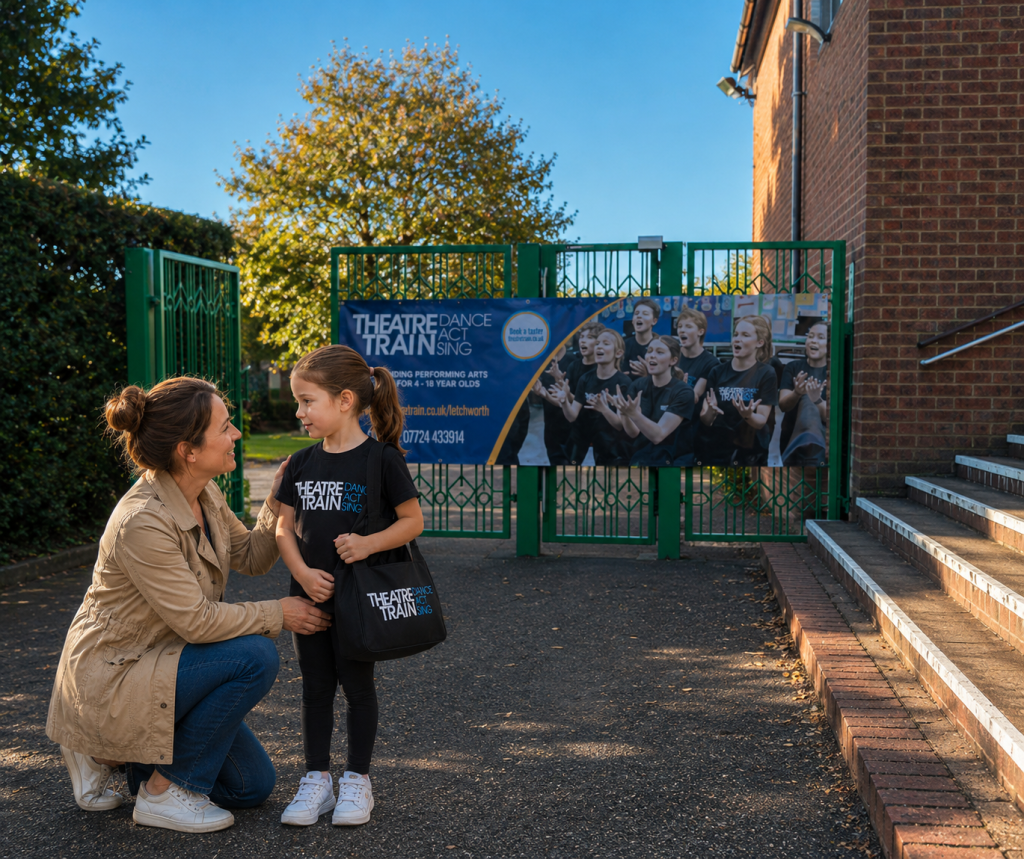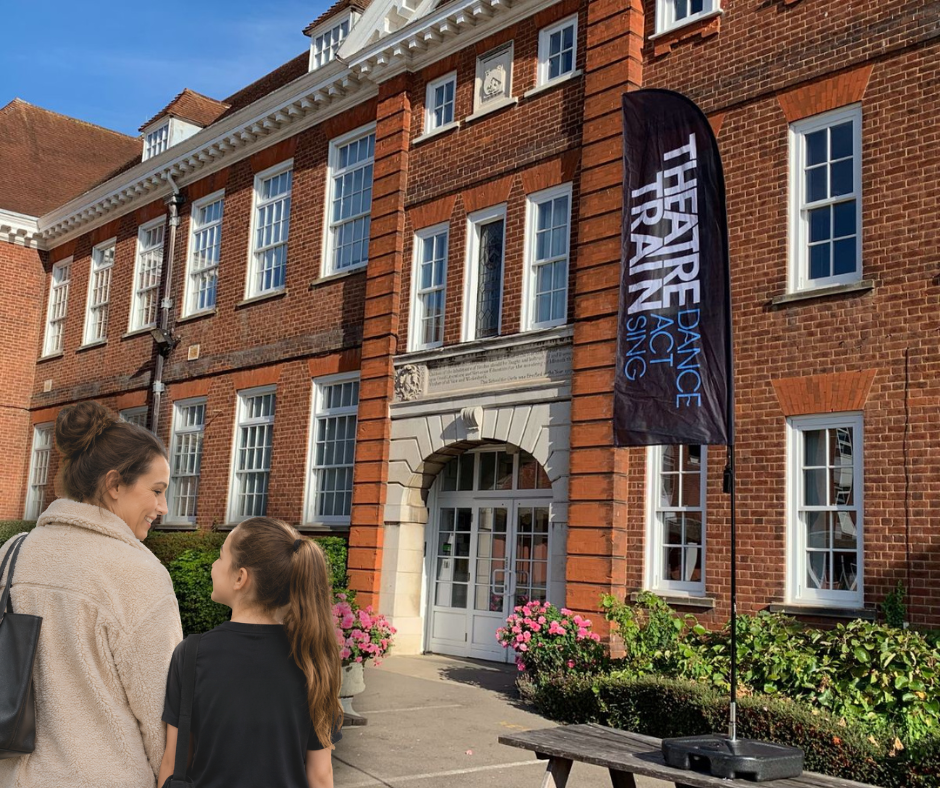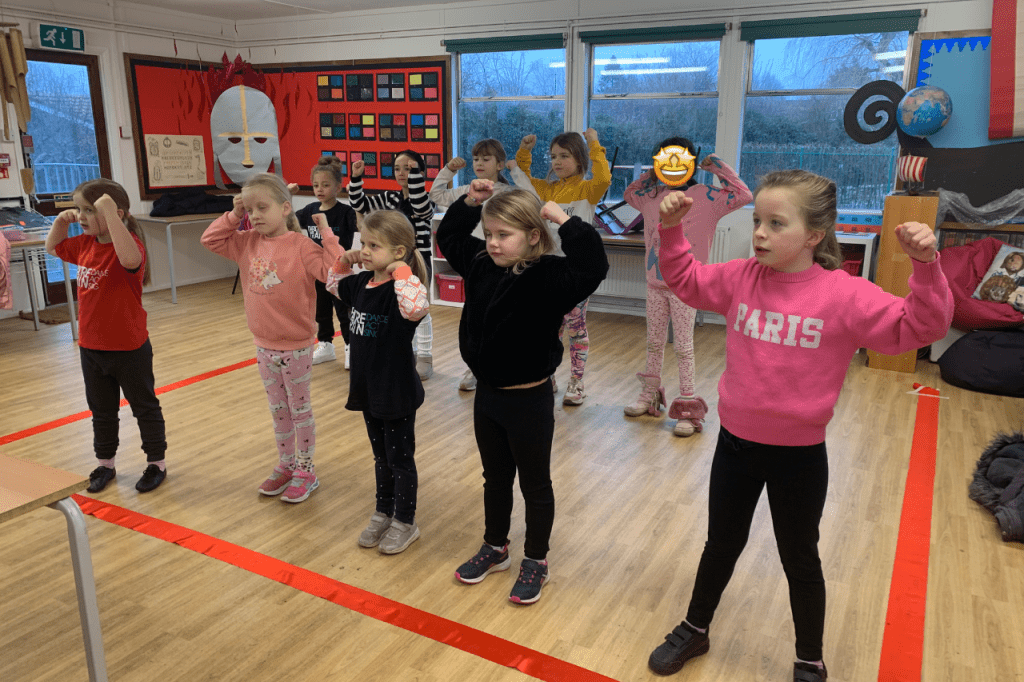
If you’re a parent wondering whether a performing arts class would be good for your child, you’re not alone.
In fact, this is one of the most common conversations I have with parents before they book a taster at Theatretrain. Many have been thinking about it quietly for months (sometimes even years) before getting in touch.
They’re not usually asking, “Is this a good class?”
They’re really asking, “Is this right for my child?”
And that’s a very different question.
Every Child Arrives for a Different Reason
When parents start looking at drama classes, dance classes or singing lessons, they’re rarely looking for the same thing.
Some children can’t wait to get on stage.
Some spend hours singing songs from films and musicals around the house.
Some love the idea of performing but become nervous when they’re around new people.
Some parents are looking for a confidence boost.
Others simply want their child to have an activity where they can make friends and be part of something.
Over the years, I’ve worked with children who arrived bursting through the doors with excitement and children who hid behind Mum or Dad and weren’t sure they wanted to come in at all.
Both can thrive at Theatretrain.
What matters far more than personality type is whether children feel supported, welcomed and given time to settle.
What Actually Happens During a Theatretrain Taster?
One of the easiest ways to decide whether a performing arts class is right for your child is to let them experience one.
A Theatretrain taster isn’t a shortened trial or a quick drop-in session. Children join a real Theatretrain morning or afternoon alongside existing students.
They’ll take part in drama, dance and singing.
They’ll meet the teachers.
They’ll work with children their own age.
And they’ll get a genuine feel for what Theatretrain is like.
One thing I’ve noticed over the years is that parents are usually far more worried about the first session than their child is.
Quite often, the child who was clinging tightly to Mum at the beginning of the morning is chatting happily to another student by the end.
Sometimes children jump straight in.
Sometimes they take a little longer.
Both are completely normal.
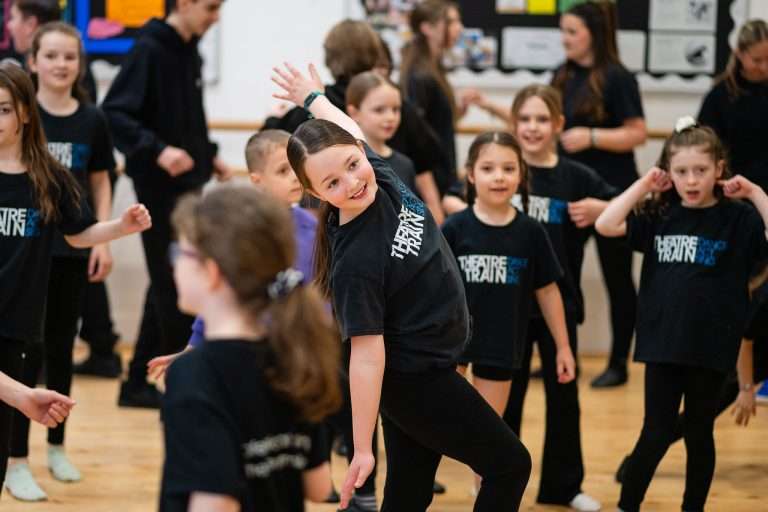
Confidence Doesn't Have to Be There on Day One
One of the biggest misconceptions about performing arts is that children need to arrive confident.
In reality, confidence is often something that develops after they join.
Children build confidence when they’re:
Given time to settle
Encouraged without pressure
Allowed to participate at their own pace
Surrounded by supportive teachers and classmates
A confident six-year-old might simply be willing to join in a drama game.
A confident teenager might volunteer to perform something in front of the group.
Confidence looks different for every child.
There’s no expectation to arrive as a polished performer.
What We Focus on During Sessions
Parents sometimes tell me they’re worried their child won’t be good enough.
That’s completely understandable.
The truth is that most children who join Theatretrain aren’t experienced performers.
They’re simply children who are willing to have a go.
Our focus is on:
Learning through doing
Developing skills gradually
Working as part of a team
Building confidence over time
Children don’t need previous experience in singing, dancing or acting.
What they need is a supportive environment where they feel comfortable trying new things.
Signs a Performing Arts Class Might Be Right for Your Child
Every child is different, but parents often decide to book a taster when they notice things like:
They spend half the weekend putting on shows in the living room.
They know every word to songs from films, musicals or their favourite artists.
They enjoy imaginative games and making up stories.
They’d like to be more confident but sometimes hold themselves back.
They seem ready for a new challenge or activity.
They spend a lot of time on screens and would benefit from something more active and social.
None of these automatically mean Theatretrain is right for your child.
But they’re often signs that it’s worth exploring.
Why Trying It Properly Matters
Parents sometimes ask if they should wait a little longer before booking.
Of course, that’s entirely your choice.
But I’ve lost count of the number of parents who’ve told me afterwards:
“I wish we’d done this sooner.”
That’s usually because the taster gives them something they couldn’t get from a website or a brochure.
They get to see their child in a new environment.
They get to watch them interact with other children.
They get to see how they respond when given the opportunity to try something new.
And often, the answer becomes much clearer.
A Gentle Next Step
If you’re weighing up whether a performing arts class could be a good fit for your child, a taster session is simply an opportunity to find out.
There’s no pressure.
No expectation.
Just a chance to see how your child responds in a friendly, supportive environment.
And if you’re still unsure, that’s okay too.
These decisions matter.
Asking the question in the first place is often a sign that you’re thinking carefully about what’s best for your child.
Sometimes the only way to know whether something is right is to experience it for yourself.