One of the questions parents often have before a first session is:
“Who’s actually looking after my child?”
And underneath that is an even bigger question:
“Will they be safe?”
As a parent myself, I completely understand that.
You’re leaving your child somewhere new.
With adults you haven’t met before.
In a building they’re unfamiliar with.
Of course you want reassurance.
So rather than simply listing policies and procedures, I thought it would be more helpful to show you what safety actually looks like on a typical Saturday.
From The Moment You Arrive
When you arrive, you’re greeted by a member of the leadership team.
Usually me, Simon, Lorraine, Robert or Julie.
That means you’re not left standing in a busy hall wondering where to go or who to speak to.
Parents stay with their child while everyone arrives.
It gives children time to settle.
And it gives parents a chance to look around, meet staff and get a feel for the environment before classes begin.
One of the things parents often tell me afterwards is that they felt reassured simply by seeing how everything runs.
What Supervision Actually Looks Like
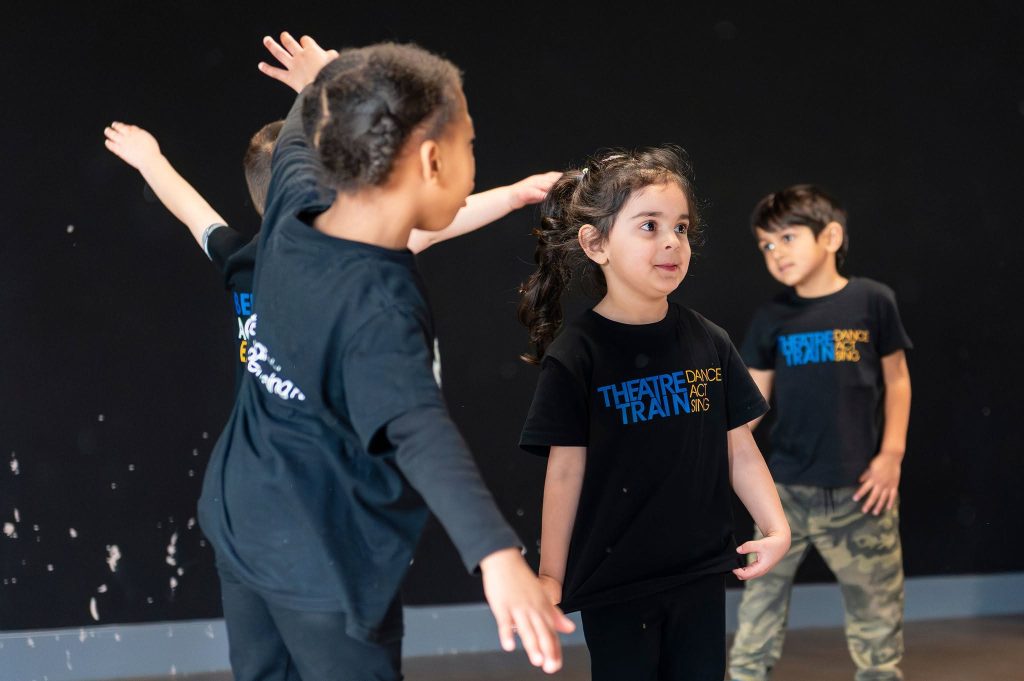
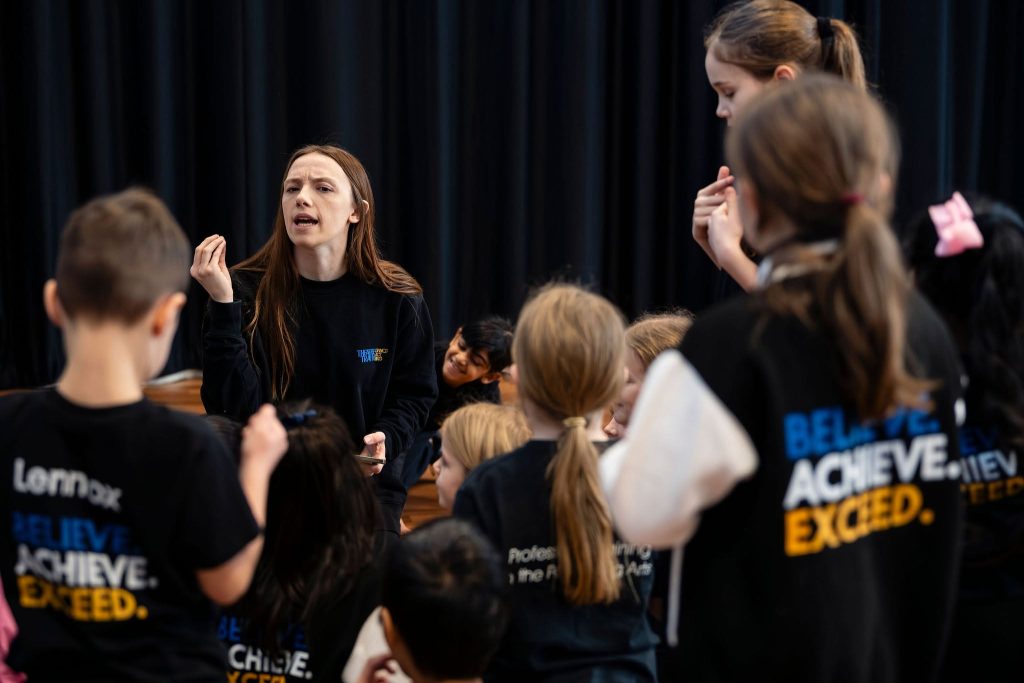
Children are always in structured classes with teachers and staff present.
They move between rooms as a group.
There are clear routines and clear transitions.
Children aren’t left wandering around the venue on their own.
Staff know where children should be and who they’re with.
It’s not something children necessarily notice.
But it’s something we pay attention to all the time.
What If My Child Needs Help?
This might be because they’re nervous.
Upset.
Feeling unwell.
Or simply having a difficult day.
Whatever the reason, they’re not expected to manage it on their own.
If a child needs support, one of us steps in.
Sometimes that means sitting with them for a few minutes.
Sometimes it means helping them settle with a Welcome Ambassador.
Sometimes it means giving them a bit of space to watch before joining in.
The approach always depends on the child.
But the goal is the same:
To help them feel safe and supported.
The Things Parents Don't Always See
A lot of safeguarding happens behind the scenes.
All Theatretrain staff are DBS checked.
All staff receive safeguarding training.
Risk assessments are carried out for our venues and activities.
We have clear procedures for anything that might arise.
I’m also the Designated Safeguarding Lead for the centre.
In addition, members of our team hold paediatric first aid qualifications.
Most of the time, parents never need to think about any of that.
Which is exactly how it should be.
But it’s there.
Every week.
Emotional Safety Matters Too
When parents think about safety, they often think about physical safety first.
That’s important.
But emotional safety matters just as much.
Children need to feel:
- welcomed
- included
- respected
- able to be themselves
We don’t tolerate unkind behaviour.
And just as importantly, we don’t ignore it.
If something isn’t right, it’s addressed.
Children are encouraged to support one another, work together and include new students.
That’s part of the culture we try to create every week.
What Parents Usually Notice
Interestingly, parents rarely mention policies.
Instead, they notice things like:
- how their child is greeted
- how teachers speak to children
- how organised the session feels
- how quickly staff pick up on things
It’s often lots of small moments rather than one big thing.
You get a sense quite quickly whether a place feels well run.
Frequently Asked Questions
Are Theatretrain staff DBS checked?
Yes. All staff working with children are Enhanced DBS checked.
Is there a safeguarding lead?
Yes. Every centre has safeguarding procedures in place, and Geraldine and Simon are the Designated Safeguarding Lead for our centre.
What happens if my child feels nervous?
That’s something we deal with regularly. Children can watch first, spend time with a Welcome Ambassador or receive support from a member of the leadership team until they feel comfortable.
Can you contact me if my child needs me?
Absolutely. We keep parent contact details available throughout the session and will contact you if needed.
Do parents stay during classes?
Most parents drop off and return at the end, but there is a waiting area available if you prefer to stay nearby.
If You're Unsure
It’s completely normal to feel cautious before leaving your child somewhere new.
In many ways, that’s part of being a parent.
That’s one of the reasons we offer taster sessions.
You can see the environment for yourself.
Meet the people involved.
Watch how everything runs.
And decide whether it feels right for your child.
Because once you’ve seen it with your own eyes, you don’t have to guess anymore.
Find Out About Our Taster Sessions
Fill in the form below to find out more information on your local centre