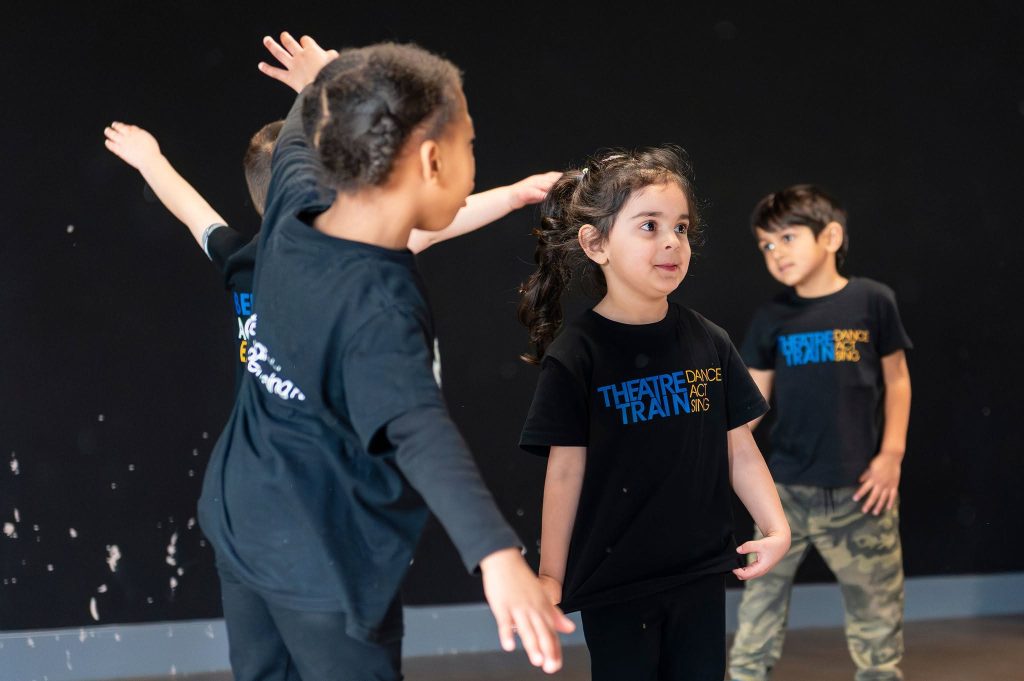
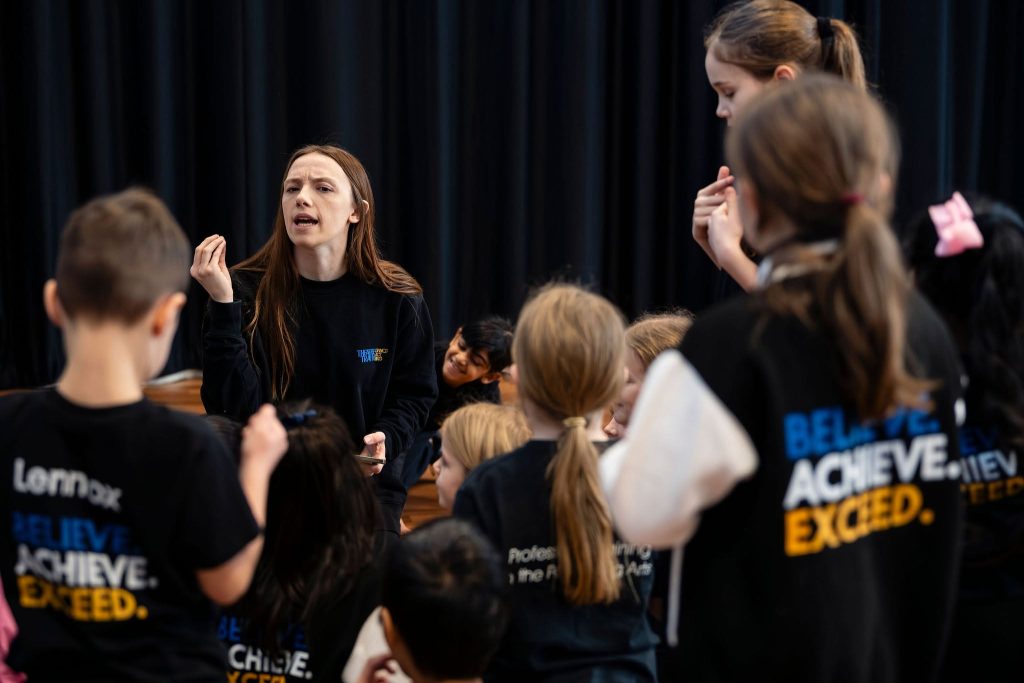
At Theatretrain, we believe that performing arts are about more than just the final show; they’re about building confidence, resilience, and pride in every student.
Here’s how you can support your child through those pre-performance jitters and help them shine when the curtain goes up.
1. Normalise the Feeling
The first step is to help your child understand that feeling nervous is completely normal.
Explain to them that even professional actors, singers, and dancers feel the same way before a show.
Those butterflies they’re feeling? It’s a sign that they care about doing their best.
It’s also a sign that they’re about to do something brave, something not everyone has the courage to do!
You could say something like:
“Feeling a bit nervous means you’re excited and ready to go. It’s completely normal and shows how much you care about giving a great performance.”
When kids realise they’re not alone in their feelings, it immediately lifts a weight off their shoulders.
2. Keep a Calm Energy at Home
Children are highly attuned to the energy around them. If you’re feeling stressed or anxious about the performance (even if you’re trying to hide it), your child will likely pick up on those vibes.
Instead, try to keep the atmosphere at home as calm and positive as possible on show day. Encourage a normal routine, meals, rest, and even a little downtime to avoid creating a sense that “something huge” is happening.
Simple things like playing music in the car on the way to the venue, sharing a few jokes, or giving them a relaxed, encouraging smile can make a big difference.
Your calm becomes their calm.
3. Focus on the Fun
Performing should be exciting and enjoyable, not stressful.
Help your child focus on the parts of performing they love, the excitement of being on stage, the buzz of hearing applause, the fun of seeing their friends and showing off all the hard work they’ve put into rehearsals.
Talk about the moments they’re looking forward to. Maybe it’s wearing their costume, hearing the music start, or seeing you in the audience.
Shifting the focus away from “getting everything right” and onto the joy of performing can transform nervous energy into excitement.
You might say:
“I can’t wait to see you up there having fun! You’ve worked so hard, and now it’s time to enjoy every second.”
4. Avoid Pressure
It’s natural to want our children to do well, but too much pressure, especially around “getting it perfect” can make nerves much worse.
Instead of saying, “Make sure you don’t forget your lines!” or “You have to nail every dance move,” focus on encouragement and the experience itself.
Phrases like:
“Have fun and enjoy it!”
“I’m already so proud of you for getting up there.”
“Whatever happens, you’ve already done an amazing job!”
…help to take the pressure off and remind your child that it’s the effort, not the outcome, that matters most.
Why Nerves Are a Good Thing
It’s important to remind both yourself and your child: nerves aren’t a sign that they can’t cope, they’re a sign that they’re stepping outside their comfort zone.
And that’s where real growth happens.
Performing in front of an audience teaches children invaluable life skills: bravery, resilience, focus, and teamwork. The pride they feel after they take their final bow is unforgettable—and it stays with them long after the stage lights fade.
At Theatretrain, we specialise in helping young performers build confidence, develop their talents, and discover the joy of performing.
Whether they’re just starting out or already have experience on stage, we’re here to guide them every step of the way, with lots of encouragement, fun, and support.
So when show day arrives, remember: a few butterflies aren’t just normal—they’re part of the magic. 🌟
Find out more about our
amazing performing arts classes here
Theatretrain Hitchin
Saturdays
Hitchin Girls School
9.30am-12.30pm
Theatretrain Letchworth
Saturdays
St Christopher’s School
9am-12pm
Theatretrain Stevenage
Saturdays
Marriotts School
1.30pm-4.30pm