If you’re considering a performing arts class for your child but feeling unsure because they’re shy, nervous, or slow to warm up, you’re not alone.
This is one of the most common concerns parents share with me before booking a Theatretrain taster. Often, it’s the only thing holding them back.
They’re not worried their child won’t enjoy drama, dance or singing.
They’re worried about how their child will feel walking into something new.
Nervousness Is Far More Common Than Parents Realise
Children of all ages feel nervous about new situations, even those who seem confident in other areas of their life.
We see this across all age groups at Theatretrain, from our youngest children through to teenagers. Sometimes the nerves are obvious. Other times they’re much harder to spot.
Parents often tell me:
- “They take a while to settle.”
- “They’re fine once they know people.”
- “They don’t always speak up straight away.”
- “They worry about getting things wrong.”
None of that is unusual.
In fact, it’s something we plan for.
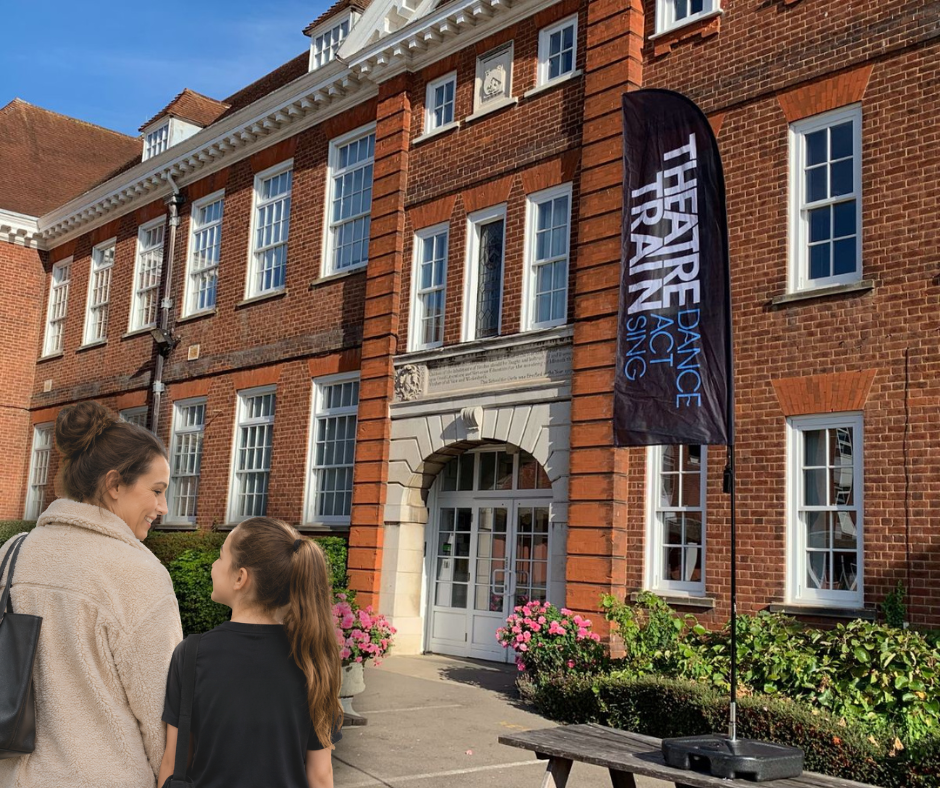
Over the years, I’ve had children arrive holding tightly onto Mum’s hand and refusing to come through the door. I’ve seen children stand quietly at the side of the room while they worked out what was happening.
Quite often, those same children are joining in a drama game twenty minutes later.
A few weeks after that, they’re running into class without looking back.
How Theatretrain Supports Shy or Nervous Children
A Theatretrain taster is designed to feel calm, structured and supportive from the moment children arrive.
Children are:
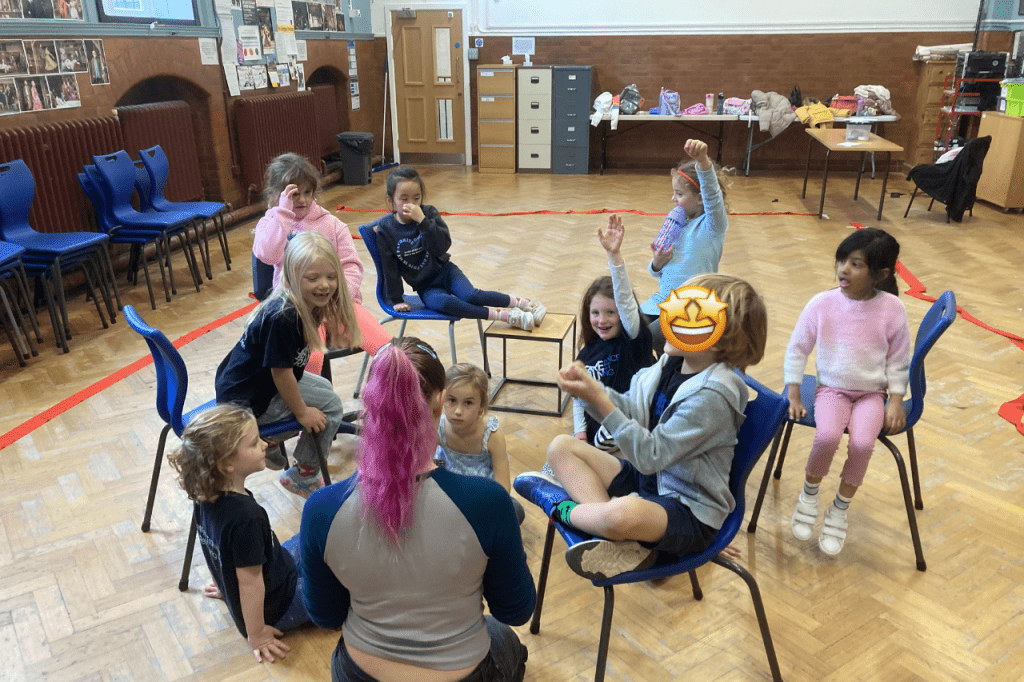
- Welcomed into small, age-appropriate groups
- Guided clearly through each activity
- Encouraged to join in without being singled out
- Supported by teachers who are used to working with nervous children
There’s no expectation for children to perform on their own, speak in front of the group, or push themselves before they’re ready.
Some children join in straight away.
Others prefer to observe, listen and take things in first.
Both responses are completely normal.
What Teachers Are Looking For During a Taster
Parents sometimes worry that their child will be “noticed” for being quiet or hesitant.
In reality, our teachers are looking for very different things.
Sometimes a child won’t say very much during the first hour.
But they’re smiling.
They’re watching carefully.
They’re following the actions.
They’re staying with the group.
They’re becoming a little more comfortable as the session goes on.
These are often the signs that matter most.
Many children who appear reserved at the start are deeply engaged. They just show it in quieter ways.
Why Watching Is Often Part of Joining In
One thing parents sometimes find surprising is how much children learn just by watching.
Taking time to observe:
- Helps children understand what’s expected
- Allows them to feel safe before participating
- Builds familiarity with the group and the teachers
For some children, joining in begins with small steps.
A smile.
A nod.
Following along quietly.
Standing a little closer to the group.
Then gradually becoming more involved as their confidence grows.
This gradual involvement is respected and supported throughout the session.
What Parents Often Notice Afterwards
Parents frequently tell me that the biggest changes don’t always happen during the session itself, but afterwards.
They notice things like:
- Their child talking about the session on the way home
- Singing one of the songs later that day
- Teaching a younger brother or sister a game they played
- Mentioning a new friend’s name at dinner
- Feeling proud that they stayed and gave it a go
Even children who were quiet or hesitant at the start often leave feeling pleased that they came.
Is a Taster the Right Step for a Shy Child?
For many parents, the taster isn’t about making a decision straight away.
It’s about:
- Seeing how their child responds in a new environment
- Understanding how they’re supported
- Noticing whether the structure suits them
A taster provides real insight, far more than imagining how it might go.
A Calm Way to Explore the Question
If you’re weighing up whether a performing arts class would suit a shy or nervous child, a Theatretrain taster offers a gentle way to explore that.
It’s simply an opportunity to see how your child responds in a calm, friendly and well-supported environment.
And if you’re still unsure, that’s completely understandable.
These decisions take thought.
Asking the right questions is part of caring deeply about your child.
Sometimes the only way to know whether something is right is to experience it for yourself.