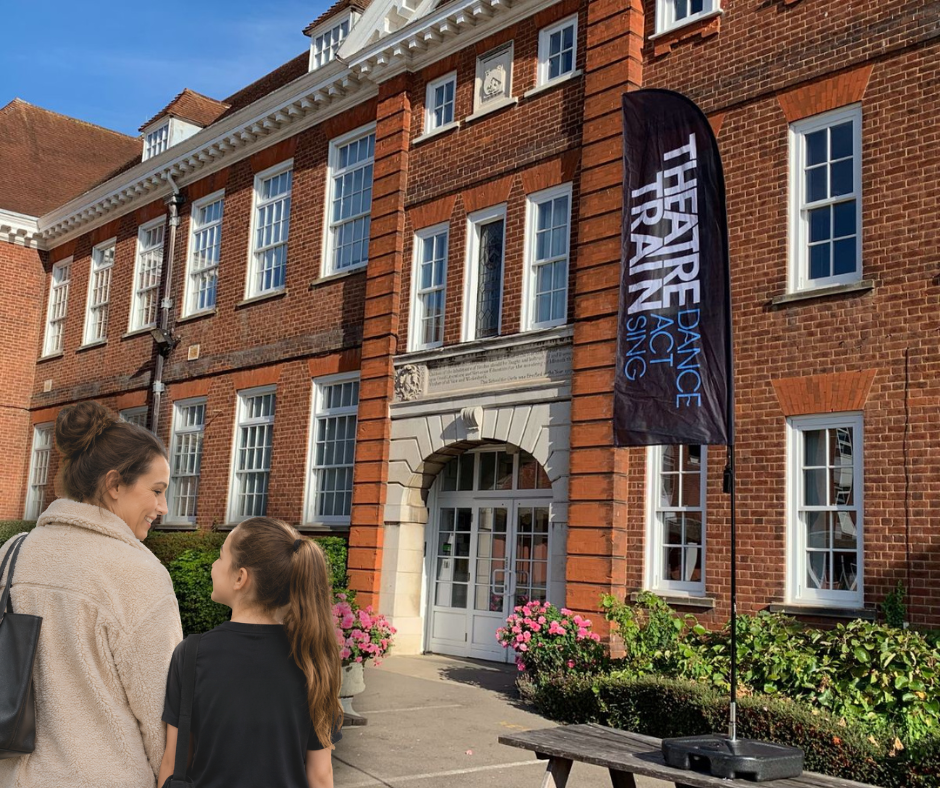
In our fast-paced, digital world, it’s easy for communication to become one-sided. With so many distractions, children often struggle to fully listen, and genuine, meaningful communication can become a challenge. However, listening is at the heart of all great communication – it’s the foundation upon which strong relationships are built. At Theatretrain, we emphasise the importance of listening as a key skill that not only enhances performance but also helps children succeed in life.
Listening is more than just hearing words; it’s about understanding the message, emotions, and intentions behind those words. For children, learning to actively listen enables them to better connect with others, improve their communication skills, and develop empathy – all of which are critical for building healthy, lasting relationships.
What Does Active Listening Mean?
Active listening is the ability to fully focus on and engage with the speaker. It’s about being present in the moment, absorbing not just the words being spoken but also paying attention to nonverbal cues like body language, tone of voice, and facial expressions. When children actively listen, they are not only more likely to understand what is being said but also better equipped to respond in a thoughtful and meaningful way.
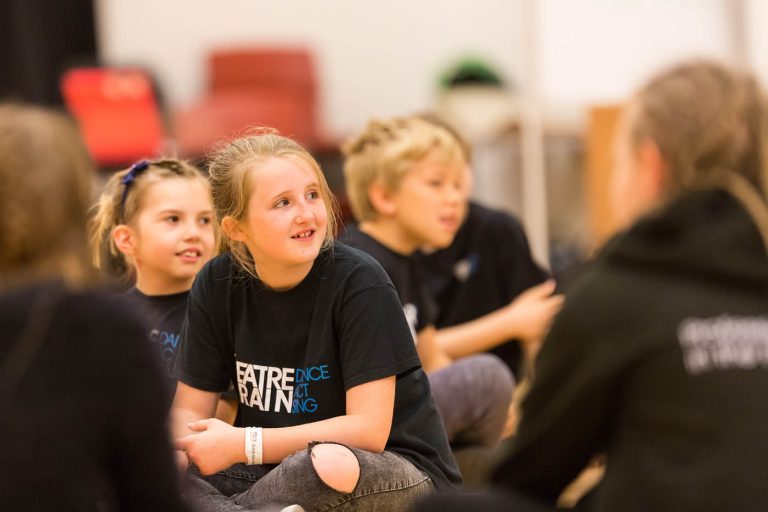
In theatre, listening is a critical skill. Actors must listen intently to their scene partners to deliver a believable performance. They need to be attuned to every word, every pause, and every shift in emotion to react in real-time, keeping the scene alive. For children learning these skills, the practice of active listening on stage helps them stay engaged, focused, and in tune with those around them.
Building Stronger Relationships Through Listening
Listening is key to developing meaningful connections with others. When children learn how to listen effectively, they become more empathetic and understanding in their interactions. Whether it’s listening to a friend talk about their day or paying attention to a teacher’s instructions, the ability to listen well can strengthen bonds and improve communication in all areas of life.
At Theatretrain, we help children practice listening by encouraging them to tune in not only to what their fellow performers are saying but also how they’re saying it. By being mindful of tone, expression, and body language, children learn how to pick up on emotions and respond appropriately. This skill helps them communicate more effectively both on stage and off.
Here’s how listening helps children build stronger relationships:
Empathy and Understanding: When children actively listen, they’re better able to understand the feelings and perspectives of others. This makes them more empathetic and considerate, helping them connect on a deeper level with friends, family, and peers.
Conflict Resolution: Listening is crucial for resolving conflicts. By truly hearing the other person’s point of view, children can find common ground and work towards a solution. This skill is particularly useful in navigating disagreements and misunderstandings.
Better Communication: Children who listen well become better communicators. They’re able to respond thoughtfully, ask relevant questions, and engage in meaningful conversations. This improves their ability to express themselves and understand others.
Trust and Respect: When children listen to others, they demonstrate respect and build trust. People feel valued when they are truly heard, which leads to stronger, more trusting relationships.
How Theatre Helps Children Develop Listening Skills
Theatre is a natural environment for teaching listening because it requires performers to stay fully engaged and aware of their surroundings. At Theatretrain, we incorporate listening exercises into our classes to help children hone this skill.
Here are some ways we teach children to listen actively in theatre:
Scene Work and Dialogue: In theatre, listening is essential for delivering authentic performances. Children must listen carefully to their scene partners’ lines and emotions to respond appropriately. This requires them to be present, focused, and aware of both verbal and nonverbal communication. Scene work helps children practice listening while engaging in dynamic, creative storytelling.
Improvisation Exercises: Improv is one of the best tools for developing listening skills. In an improvisation scene, children must listen intently to their partner’s words and actions to keep the scene flowing naturally. Since there’s no script, they have to pay close attention to pick up on cues and respond in real-time. This teaches them how to listen on the spot, think quickly, and engage with others in a meaningful way.
Group Work and Team Exercises: Theatre is a collaborative art form, and many of our activities require children to work together as a group. Whether they’re planning a scene or practicing a routine, listening to one another is essential for achieving harmony and balance. These team exercises reinforce the importance of listening as a way to work well with others and achieve shared goals.
Character and Emotion Exploration: Listening is not only about understanding words but also about picking up on emotions. When children explore different characters, they learn to listen for the emotional subtext behind the dialogue. This helps them develop empathy and emotional intelligence, as they practice tuning into how others feel and responding with sensitivity.
The Benefits of Listening Beyond Theatre
While listening is crucial on stage, the benefits extend far beyond the world of theatre. Children who develop strong listening skills are better equipped to handle the challenges of school, friendships, and family relationships. Here’s how listening helps children thrive in everyday life:
In the Classroom: Listening is key to academic success. Children who listen actively in class are better able to understand lessons, follow instructions, and retain information. This leads to better performance in school and improved engagement with learning.
In Friendships: Good listeners make great friends. When children listen to their peers, they build stronger, more supportive friendships. Listening allows them to understand their friends’ feelings, offer advice, and provide comfort when needed. It also reduces misunderstandings and strengthens the bond between them.
At Home: Listening is just as important in family dynamics. Children who practice active listening are more likely to engage positively with their parents, siblings, and other family members. They can follow household rules more easily, contribute to conversations, and express themselves more clearly.
In Teamwork and Collaboration: Whether it’s in sports, group projects, or extracurricular activities, listening is a key component of teamwork. Children who listen to their teammates are better able to collaborate, communicate, and contribute to the success of the group.
Emotional Intelligence: Listening helps children develop emotional intelligence. By tuning into the feelings and emotions of others, they become more empathetic, compassionate, and emotionally aware. This makes them better equipped to navigate relationships, manage their own emotions, and respond thoughtfully in difficult situations.
Why Listening is a Lifelong Skill
The ability to listen effectively is a skill that will benefit your child throughout their entire life. In a world where communication is increasingly fast-paced and fragmented, strong listening skills set children apart. Whether they’re building relationships, excelling academically, or working in future careers, listening is an essential part of their personal and professional success.
At Theatretrain, we believe in nurturing well-rounded children who can express themselves confidently while also listening thoughtfully to those around them. Our classes provide a creative, supportive environment where children can practice these skills in a way that’s fun, engaging, and rewarding.
Ready to Help Your Child Become a Better Listener?
If you want to help your child develop strong listening skills, Theatretrain is the perfect place to start. Our classes teach children how to listen, engage, and respond with empathy—skills that will benefit them on stage and in life.
Sign up for a Theatretrain taster session today and watch your child become a more attentive listener, a better communicator, and a more empathetic individual!
Find out more about our
amazing performing arts classes here
Theatretrain Hitchin
Saturdays
Hitchin Girls School
9.30am-12.30pm
Theatretrain Letchworth
Saturdays
St Christopher’s School
9am-12pm
Theatretrain Stevenage
Saturdays
Marriotts School
1.30pm-4.30pm