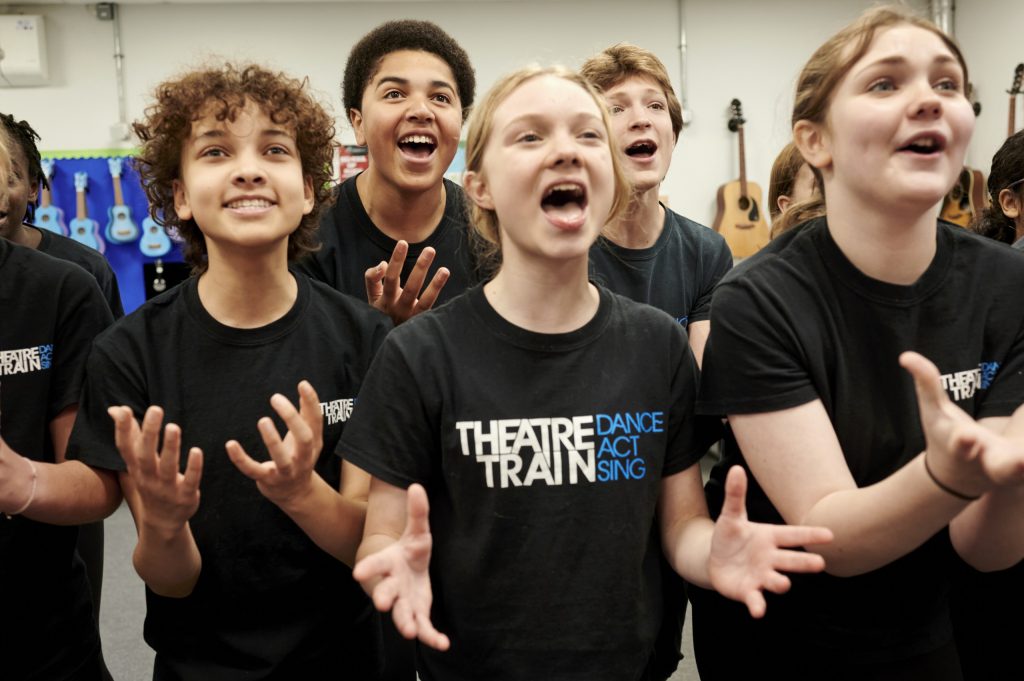
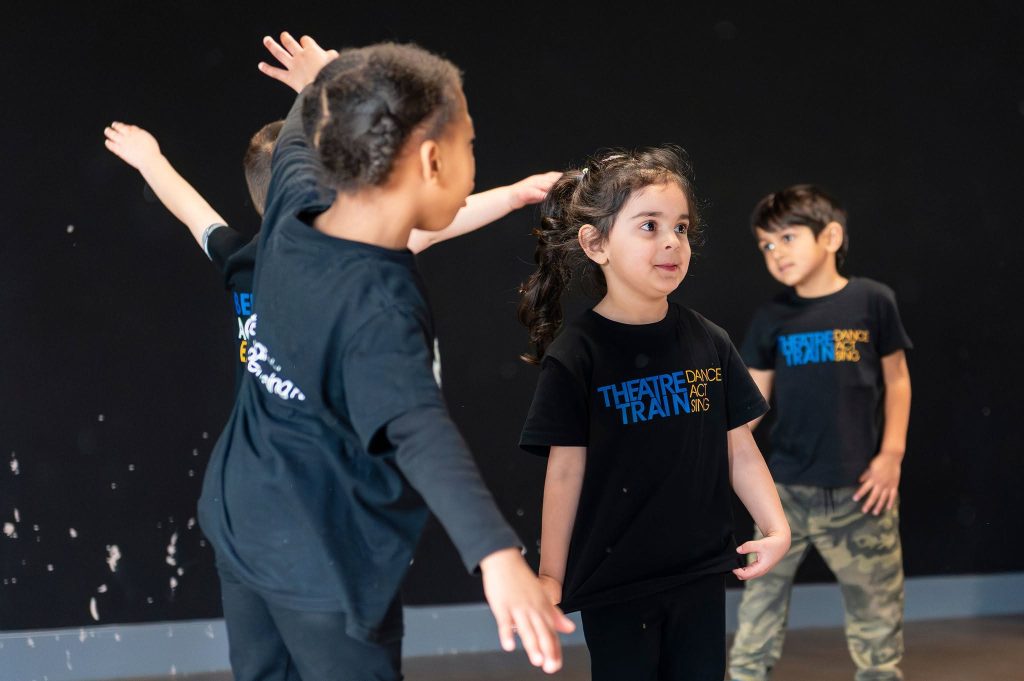
In life, we often experience moments that require us to speed up, slow down, or adjust our pace to fit the situation. Whether it’s preparing for an exam, solving a problem, or simply learning how to work within a group, the ability to adapt and adjust is a crucial life skill. At Theatretrain, we teach children the power of varying the tempo, not just in performance but in how they approach everyday challenges.
Tempo refers to the speed and rhythm at which things happen. In theatre, tempo is a vital part of storytelling. Changing the pace of a scene can alter its energy, emotion, and overall impact. The same concept applies to life—knowing when to slow down, when to move quickly, and when to adjust to the flow of what’s happening around us is key to managing change and handling challenges with grace and confidence.
What Does It Mean to Vary the Tempo?
In the context of theatre, varying the tempo involves controlling the speed at which actions and dialogue unfold. For example, a scene might start slow and steady, building suspense, and then suddenly shift to a fast-paced, energetic exchange to create excitement. This change in tempo helps keep the audience engaged and adds depth to the performance.
Children who learn to vary the tempo in theatre are essentially learning how to manage energy and emotions. They become aware of how the pace of their actions impacts others, how slowing down can allow for deeper reflection, and how speeding up can bring urgency or excitement to a moment.
But tempo is not just about performance; it’s also a life skill. Being able to adjust the tempo in everyday situations teaches children how to be flexible and adaptable. When faced with a challenge, they can determine whether to slow down, think carefully, and problem-solve, or move quickly and efficiently to achieve a goal.
Flexibility and Adaptability: Essential Life Skills
Life rarely follows a predictable path. Children are constantly encountering new situations—whether it’s starting a new school year, meeting new people, or adapting to changes in their environment. Learning to be flexible and adaptable is key to navigating these moments successfully.
At Theatretrain, we help children practice flexibility by teaching them how to vary the tempo of their actions and responses. Through acting, movement, and improvisation exercises, they learn that not every moment requires the same approach. Sometimes, they’ll need to slow down and think critically, while other times they’ll need to pick up the pace and act decisively. This helps them become more aware of their surroundings and more confident in their ability to handle whatever comes their way.
Here’s how varying the tempo helps develop flexibility and adaptability in children:
Problem-Solving Skills: Being able to adjust the pace of their thinking and actions helps children become better problem solvers. For example, they might realise that slowing down and thinking carefully is the best way to tackle a difficult puzzle, while a faster approach might be needed in a high-energy group activity. Understanding the tempo of a situation helps them determine the best way to solve problems.
Emotional Regulation: Learning to vary tempo also teaches children how to regulate their emotions. Sometimes, excitement or anxiety can make children rush through a task, leading to mistakes. By practicing slowing down and pacing themselves, they learn to manage their emotional responses and stay calm under pressure.
Improved Focus: Children who can adjust their tempo know when to slow down and concentrate, giving them better focus on detail-oriented tasks. This can be especially helpful in schoolwork, where careful attention is needed to understand concepts, solve problems, and complete assignments.
Collaboration and Teamwork: Flexibility in tempo also helps children work better in groups. They learn to adjust their actions to match the energy and rhythm of their team. For example, they might need to pick up the pace in a fast-moving group project, or slow down and listen during a brainstorming session. This adaptability makes them better collaborators and communicators.
Resilience: Adapting to different tempos builds resilience. When faced with unexpected changes, children who have practiced varying their tempo can adjust more easily. Whether it’s managing a sudden change in plans or coping with a challenging situation, they know how to stay flexible and keep moving forward.
How Theatre Teaches Flexibility and Adaptability
Theatre is a perfect environment for children to practice flexibility because it constantly requires them to adjust their actions based on what’s happening around them. In a performance, no two scenes are the same, and children must be ready to shift their energy, change their approach, and adapt to the dynamics of their scene partners. This practice builds a mindset of adaptability that they can apply in all areas of life.
Here are some of the ways we teach children to vary the tempo and develop flexibility in our Theatretrain classes:
Improvisation: One of the best ways to teach adaptability is through improvisation. In an improv exercise, children are required to think on their feet and respond to whatever is happening in the moment. They have to adjust their tempo depending on the scenario—whether it’s slowing down to build suspense or speeding up to inject humor and energy into the scene. Improv teaches children to stay open and flexible, ready to change pace at any moment.
Physical Movement: In theatre, movement is often choreographed to reflect the tempo of a scene. Children learn how to control the speed and intensity of their movements to match the story being told. For example, they might practice slow, deliberate movements for a serious scene, and then switch to fast, energetic motions for a more lively part of the performance. This helps them become aware of how their physical actions can change the pace and mood of a scene, as well as how to adjust their movements to fit different situations.
Scene Work: As children rehearse scenes, they learn how varying the tempo can change the entire mood and direction of a performance. They experiment with slowing down their dialogue to build tension, or speeding up their delivery to create excitement. This helps them understand the power of tempo in storytelling, and how adjusting their actions can create different outcomes.
Storytelling and Timing: In theatre, timing is everything. Children learn how to deliver their lines or actions at just the right moment to maximize the impact of the story. They practice adjusting the tempo of their speech and movements to make a scene more engaging. This teaches them not only how to pace their performance but also how to be mindful of timing in other areas of life, such as when to speak up, when to listen, and when to take action.

Applying Flexibility and Adaptability in Real Life
The lessons learned through varying the tempo in theatre extend far beyond the stage. Children who practice these skills at Theatretrain are better equipped to handle life’s many challenges with resilience, creativity, and a positive attitude.
Here are some real-life examples of how flexibility and adaptability help children succeed:
In School: Whether it’s preparing for exams, tackling a difficult subject, or adjusting to a new teacher’s style, being flexible helps children manage their academic responsibilities more effectively. They learn when to slow down and focus on details, and when to work more efficiently to meet deadlines.
In Social Situations: Flexibility is key in relationships. Children who can adjust their tempo in conversations—knowing when to listen and when to speak—build stronger friendships. They also learn how to adapt to different social dynamics, making it easier for them to connect with peers in different environments.
In Extracurricular Activities: Whether it’s playing a sport, learning a musical instrument, or participating in a group project, being adaptable helps children succeed in a variety of activities. They know how to adjust their energy to fit the demands of the situation, whether it’s practicing slowly and deliberately or performing with high energy during a game or recital.
Why Flexibility and Adaptability Matter for Your Child’s Future
The ability to adapt to change and be flexible in different situations is a critical life skill that will benefit your child for years to come. Whether they’re facing academic challenges, navigating friendships, or preparing for future careers, being adaptable allows them to thrive in an ever-changing world.
At Theatretrain, we help children develop these skills in a creative, supportive environment. By learning how to vary the tempo, they gain the flexibility and adaptability needed to handle life’s ups and downs with confidence and resilience.
Sign Up for a Taster Session at Theatretrain!
If you’re looking for a way to help your child become more adaptable and flexible, Theatretrain is the perfect place to start. Our classes teach children how to think on their feet, adjust their actions, and embrace change—all while having fun through the power of performance.
Sign up for a Theatretrain taster session today and watch your child develop the skills they need to succeed on stage and in life!
Find out more about our
amazing performing arts classes here
Theatretrain Hitchin
Saturdays
Hitchin Girls School
9.30am-12.30pm
Theatretrain Letchworth
Saturdays
St Christopher’s School
9am-12pm
Theatretrain Stevenage
Saturdays
Marriotts School
1.30pm-4.30pm