One of the things parents tell me most often when they enquire about Theatretrain is:
“We just want them doing something other than being on a screen.”
I understand exactly what they mean.
Screens are part of modern life. Most children use them for school, entertainment and staying in touch with friends.
The challenge isn’t that screens exist.
It’s that sometimes they can crowd out everything else.
What I’ve noticed over the years is that children rarely talk about screens when they’re genuinely busy doing something they enjoy.
And that’s one of the reasons I love walking into a Theatretrain class on a Saturday morning.
Nobody Has Time to Think About Their Phone
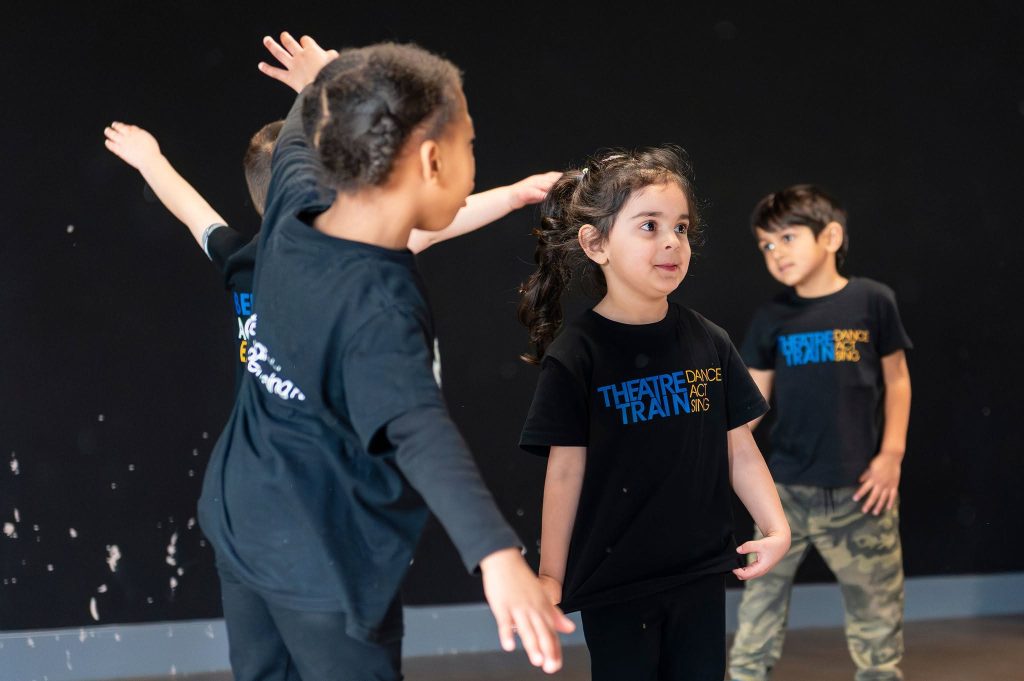
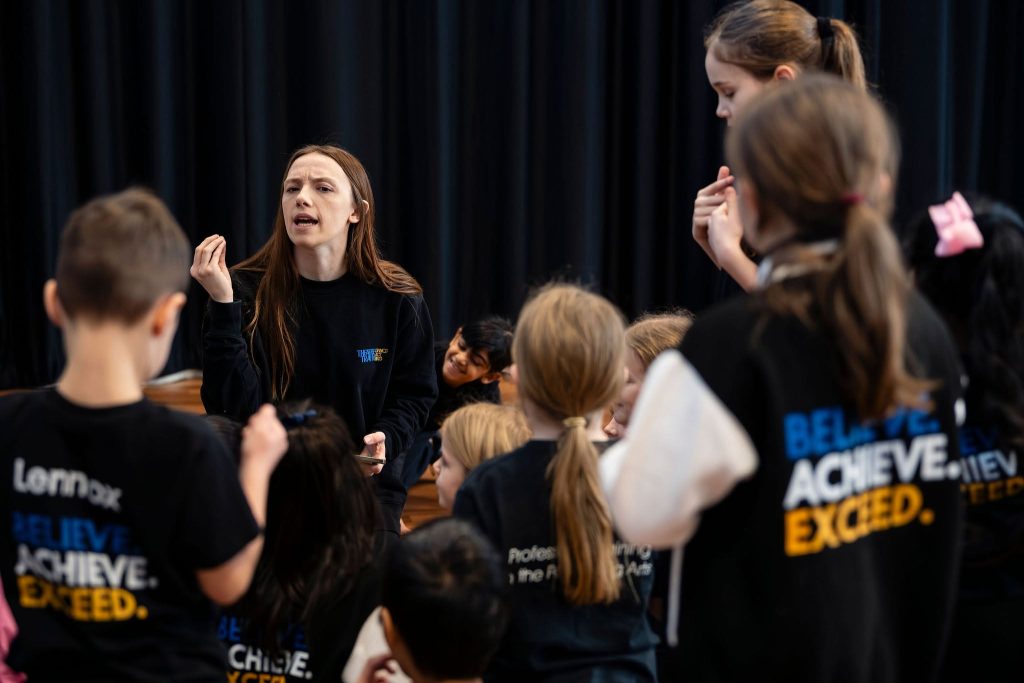
When children arrive at Theatretrain, they don’t have much time to sit still.
They’re learning songs.
Practising choreography.
Creating scenes.
Playing drama games.
Catching up with friends.
Trying to remember what happens next.
The morning moves quickly because there’s always something happening.
I’ve often noticed that children who seem reluctant to leave a screen at home don’t miss it once they’re busy and engaged in a class.
Not because anyone has told them they can’t have it.
Because their attention is somewhere else.
Real Conversations Still Matter
One of the biggest differences between screen time and activities like Theatretrain is that everything happens face to face.
Children have conversations.
Work together.
Solve problems together.
Laugh together.
Sometimes they disagree.
Sometimes they help each other.
These small interactions happen naturally throughout the morning and help children develop social skills that are difficult to learn alone in front of a screen.
Imagination Gets a Workout Too
One thing I love about drama in particular is that children have to use their imagination.
They can’t simply watch somebody else’s story.
They have to help create it.
Whether they’re building a character, creating a scene or working out how a performance should look, they’re constantly being asked to think, contribute and explore ideas.
It’s a very different experience from consuming content.
They’re creating something rather than watching someone else create it.
Friendships Make a Difference
If you ask many children why they enjoy Theatretrain, they’ll often mention their friends.
The singing, dance and drama are important.
But so are the friendships.
Having a group of people they enjoy spending time with gives children a reason to put their devices down and be present.
Some of the strongest friendships I’ve seen have started because two children were standing next to each other in a rehearsal or working together on a scene.
It's Not About Banning Screens
I don’t think screens are the enemy.
Most of us use them every day.
The key is balance.
Children need opportunities to move, create, communicate and spend time with other people as well.
That’s what activities like Theatretrain provide.
Three hours where children are actively involved rather than passively watching.
Three hours of singing, dancing, acting, laughing, learning and connecting.
Why It Matters
One of my favourite things about Theatretrain is watching children become completely absorbed in what they’re doing.
They’re not thinking about notifications.
They’re not wondering what’s happening online.
They’re focused on the people around them and the activity in front of them.
And in a world where distractions are everywhere, that’s becoming increasingly valuable.
See It for Yourself
If you’re looking for an activity that gives your child the chance to be creative, make friends and spend time away from a screen, a Theatretrain taster session is a great place to start.
We run weekly classes in Hitchin, Letchworth and Stevenage where children aged 4–18 can experience singing, dancing and drama in a supportive and welcoming environment.
You can find out more about our centres and book a taster session when you’re ready.